African Potato (Hypoxis hemerocallidea): A Natural Wonder for Immunity and Vitality: Wellness Wellspring

African Potato

Discover the powerful health benefits of the African Potato (Hypoxis hemerocallidea). Rich in sterols and glycosides, this natural remedy boosts immunity, fights infections, and supports chronic illness management. Learn how to use it for vitality and wellness.

Introduction

For centuries, traditional healers across Africa have relied on the potent properties of the African Potato (Hypoxis hemerocallidea) to treat a variety of ailments. This indigenous plant, often overlooked in mainstream medicine, holds remarkable healing potential. Rich in sterols and glycosides, the African Potato is a powerhouse for strengthening the immune system, fighting infections, and managing chronic conditions such as HIV/AIDS.

But beyond the science, there is a story—a story of resilience, of nature providing solutions where modern medicine sometimes falls short. This blog explores the incredible benefits of the African Potato and why it deserves a place in our health and wellness routines.

The Science Behind the African Potato

The magic of the African Potato lies in its biochemical composition. It contains sterols and sterolins—plant-based compounds known to modulate the immune system. These natural substances help balance immune responses, reducing inflammation when overactive and boosting immunity when the body is under attack. Glycosides, another key component, provide antimicrobial and anti-inflammatory benefits, making the plant a natural ally in fighting infections and chronic diseases.

Scientific studies have highlighted its potential in enhancing immune function, reducing oxidative stress, and improving overall vitality. The plant’s tuberous root, which resembles a small potato, is packed with these beneficial compounds, offering a natural way to restore balance and strength to the body.

A Traditional Remedy for Modern Challenges

In African traditional medicine, the African Potato has been used to manage a wide range of health concerns. Among the most notable is its role in supporting individuals with compromised immune systems, particularly those living with HIV/AIDS. Many people using African Potato supplements report increased energy levels, improved appetite, and a reduction in fatigue—common symptoms associated with chronic illnesses.

Additionally, traditional healers have long recommended it for treating:

  • Prostate health: Its anti-inflammatory properties are known to support prostate function, reducing symptoms of benign prostatic hyperplasia (BPH).
  • Arthritis and joint pain: The plant’s natural anti-inflammatory effects help relieve stiffness and pain in the joints.
  • Skin conditions: African Potato extracts have been used to treat eczema, psoriasis, and other inflammatory skin disorders.
  • Urinary tract infections: Its antimicrobial properties help fight infections, promoting urinary health.
  • Wound healing: Traditional applications involve using the extract to speed up recovery from cuts and sores.

Boosting Immunity Naturally

With the rise of antibiotic resistance and the growing demand for natural health solutions, the African Potato is emerging as a valuable immune-boosting supplement. Unlike synthetic immune boosters, this plant works harmoniously with the body, supporting its natural defenses without unwanted side effects.

Regular consumption can help:

  • Strengthen the body’s resistance against common infections
  • Improve recovery from colds, flu, and respiratory illnesses
  • Enhance overall vitality, reducing fatigue and burnout

How to Use African Potato for Optimal Health

The African Potato can be consumed in various forms:

  • Capsules and Supplements: Available in health stores, these provide a convenient way to incorporate its benefits into your daily routine.
  • Decoctions and Teas: Traditional methods involve boiling the tuber to extract its medicinal properties.
  • Powder Form: Can be added to smoothies or mixed with water for a potent health tonic.
  • Topical Applications: Some creams and ointments contain African Potato extracts for skin and joint health.

When using the African Potato, it’s essential to source high-quality, organic products to ensure purity and effectiveness. Consulting a healthcare provider before starting any herbal regimen is also advisable, especially for individuals with pre-existing conditions or those taking medications.

The Future of African Herbal Medicine

As interest in natural health solutions grows, the African Potato is gaining recognition beyond traditional healing communities. Researchers continue to explore its potential in managing auto-immune diseases, inflammatory disorders, and even cancer. While more clinical trials are needed, existing evidence and centuries of use suggest that this plant is a hidden gem in the world of natural medicine.

Incorporating African medicinal plants like Hypoxis hemerocallidea into modern health practices can bridge the gap between traditional wisdom and contemporary wellness. By embracing nature’s remedies, we unlock a sustainable path to health, one that aligns with the body’s innate ability to heal and thrive.

Final Thoughts

The African Potato is more than just a medicinal plant—it is a testament to the power of nature. As we rediscover its benefits, we honor the traditions that have sustained communities for generations. Whether you seek immune support, relief from chronic conditions, or a natural way to enhance vitality, this African botanical offers a path to wellness rooted in the wisdom of the earth.

Sutherlandia (Cancer Bush): The African Powerhouse Herb for Immunity and Vitality: Wellness Wellspring

Sutherlandia Frutescence

In the heart of Southern Africa, where the sun kisses the earth with warmth and life flourishes in its purest form, a remarkable plant thrives—Sutherlandia frutescens, known to many as Cancer Bush. This ancient medicinal herb has been used for centuries by indigenous communities for its powerful healing properties, particularly in strengthening immunity, reducing inflammation, and enhancing overall well-being. Today, modern science is catching up with traditional wisdom, confirming what many have long believed—Sutherlandia is a true gift of nature for health and vitality.

A Legacy of Healing: Traditional Uses of Sutherlandia

For generations, the Khoisan and other African communities have revered Sutherlandia for its ability to combat various ailments, from viral infections to chronic diseases. Traditional healers prepared infusions, decoctions, and even powders from its leaves and stems, using them to address conditions like:

  • Immune system support – Strengthening the body’s natural defenses
  • Energy and vitality enhancement – Boosting stamina and mental clarity
  • Stress and anxiety relief – Calming the nervous system
  • Respiratory infections – Soothing symptoms of colds, flu, and bronchitis
  • Blood sugar regulation – Helping to stabilize glucose levels
  • Chronic inflammation – Reducing pain and discomfort in conditions like arthritis

Sutherlandia was a staple in African herbal medicine long before the world recognized its significance. But as scientific research expands, we now have deeper insights into what makes this plant such a powerful ally for health.

Science Meets Tradition: The Bioactive Power of Sutherlandia

What sets Sutherlandia apart from other medicinal herbs is its rich composition of bioactive compounds. Researchers have identified several key phytochemicals that contribute to its medicinal properties:

  • Canavanine – A natural amino acid with potent antiviral and immune-boosting effects. Studies suggest it may inhibit the replication of certain viruses, including HIV, making Sutherlandia particularly valuable in immune support.
  • Pinitol – A powerful plant-based compound that mimics insulin, helping to regulate blood sugar levels and improve energy production. It plays a crucial role in enhancing vitality, especially in people experiencing fatigue or chronic illness.
  • GABA-related compounds – These compounds help reduce stress, anxiety, and nervous tension, promoting a sense of calm and emotional well-being.
  • Flavonoids and antioxidants – These natural plant compounds help protect the body from oxidative stress, which is linked to aging, chronic diseases, and weakened immunity.

Sutherlandia and HIV: A Natural Immune Booster

One of the most groundbreaking areas of research on Sutherlandia is its role in supporting people living with HIV. Studies have shown that its immune-boosting properties can help increase CD4 cell counts, which are crucial in maintaining a strong immune response. Many individuals report feeling more energetic and resilient when incorporating Sutherlandia into their wellness routines.

While Sutherlandia is not a replacement for antiretroviral therapy (ART), it serves as an excellent complementary supplement, helping to reduce inflammation, combat fatigue, and support overall immune function. This makes it an invaluable herbal remedy for individuals seeking holistic support in managing their health.

Fighting Inflammation and Chronic Disease

Chronic inflammation is at the root of many modern diseases, from autoimmune conditions to heart disease. The anti-inflammatory properties of Sutherlandia make it a powerful tool in fighting these conditions. Whether you struggle with arthritis, digestive disorders, or metabolic issues, incorporating Sutherlandia into your routine may help reduce inflammation, alleviate pain, and improve overall quality of life.

Furthermore, its antioxidant effects help neutralize free radicals, protecting the body from cellular damage and premature aging.

How to Use Sutherlandia for Maximum Benefits

Sutherlandia is available in various forms, allowing for flexibility in how you incorporate it into your daily health regimen. Some of the most common ways to use it include:

  • Herbal Tea – Steep dried Sutherlandia leaves in hot water for 5–10 minutes to make a soothing immune-boosting tea.
  • Capsules or Tablets – Ideal for those who prefer a convenient supplement form.
  • Tinctures – Liquid extracts that can be taken under the tongue or mixed with water.
  • Powder – Can be blended into smoothies or sprinkled onto food for an easy nutritional boost.

Are There Any Side Effects?

While Sutherlandia is generally safe for most people, it’s essential to use it responsibly. Some individuals may experience mild side effects such as:

  • Dry mouth
  • Gastrointestinal discomfort
  • Mild dizziness

Pregnant or breastfeeding women, as well as individuals on prescription medications, should consult a healthcare professional before using Sutherlandia. As with any herbal remedy, moderation is key to avoiding potential adverse effects.

Where to Find High-Quality Sutherlandia Products

Due to its growing popularity, Sutherlandia is now widely available in health stores, online marketplaces, and herbal medicine shops. When purchasing Sutherlandia supplements, it’s crucial to choose organic, ethically sourced products to ensure potency and purity.

Look for brands that provide transparency about their sourcing and manufacturing processes. If possible, opt for products that have been tested for quality assurance.

The Future of Sutherlandia: A Beacon of Holistic Health

As interest in natural medicine continues to rise, Sutherlandia stands as a shining example of how traditional knowledge and modern science can come together to offer powerful health solutions. Its remarkable ability to enhance immunity, support energy levels, and reduce inflammation makes it a must-have for anyone looking to optimize their well-being naturally.

In a world where chronic illness and immune challenges are increasingly prevalent, turning to nature’s pharmacy may be one of the most effective strategies for long-term health. Whether you’re seeking an herbal ally to support your immune system, boost your vitality, or complement your wellness routine, Sutherlandia offers a time-tested, science-backed solution worth exploring.

Final Thoughts

Sutherlandia frutescens is more than just a plant—it’s a testament to nature’s ability to heal, protect, and rejuvenate. With its powerful phytochemicals, deep-rooted history, and growing scientific support, this African herbal gem is poised to become a global health staple. By integrating it into your lifestyle, you can tap into centuries of healing wisdom while embracing a modern approach to holistic wellness.

The Natural Anti-Retroviral Solution: Harnessing Herbs, Nutrition, and Lifestyle for Immune Strength: Wellness Wellspring

Healing With Nature

The world is currently witnessing a shift in healthcare funding, particularly in developing nations. In Kenya and many other African countries, the reduction in donor funding from the USA for health programs, especially for the supply of anti-retrovirals (ARVs) for HIV and AIDS patients, is causing widespread concern. This has placed many lives at risk, as governments scramble to find alternative solutions to sustain treatment programs.

However, this crisis presents an opportunity for us to explore homegrown solutions rooted in nature. Our environment is rich with medicinal plants, nutritional resources, and holistic health practices that can help strengthen the immune system and support people living with HIV/AIDS. It is high time we tap into these resources, integrate them with modern medicine, and create sustainable health solutions.

Discover: Sutherlandia Frutescence (Cancer Bush )

Understanding the Role of the Immune System in HIV/AIDS Management

HIV attacks the immune system by targeting CD4 cells (T cells), which are essential in fighting infections. As the virus progresses, the immune system weakens, leaving the body vulnerable to opportunistic infections. Conventional ARV therapy helps suppress the virus, preventing its replication and allowing the immune system to recover.

While ARVs have been effective in managing HIV, they are not a cure. They also come with side effects, including liver toxicity, kidney damage, nausea, fatigue, and metabolic disorders. This is why exploring natural solutions alongside conventional treatment can help improve the overall well-being of people living with HIV/AIDS.


📢 Preorder Now: The Natural Anti-Retroviral Solution!

Want to boost your immune system naturally? My upcoming book, The Natural Anti-Retroviral Solution, reveals powerful herbs, nutrition, and lifestyle changes to strengthen your body’s defenses.

Preorder today and get exclusive bonuses:
✅ Free immune-boosting recipe guide
✅ Access to a private wellness Q&A session
✅ Early entry into our health community

🚀 Official launch in 2 weeks! Don’t wait—secure your copy now!

WhatsApp: +254 726 530 868


Harnessing Herbal Medicine for Immune Strength

Many traditional African herbs have been used for centuries to boost immunity and combat infections. Scientific research is now validating what traditional healers have known for generations. Here are some powerful herbs with potential anti-retroviral and immune-boosting properties:

1. Sutherlandia (Cancer Bush)

Sutherlandia frutescens, native to Southern Africa, has been widely studied for its immune-boosting and antiviral properties. It contains canavanine, pinitol, and other phytochemicals that help increase CD4 counts and improve energy levels in HIV patients. It also reduces inflammation and enhances overall vitality.

2. African Potato (Hypoxis hemerocallidea)

This plant is rich in sterols and glycosides, which strengthen the immune system and help the body fight infections. It has been traditionally used to manage chronic illnesses, including HIV/AIDS, and is known to improve appetite and reduce fatigue.

3. Artemisia annua (Sweet Wormwood)

Originally known for its effectiveness against malaria, Artemisia annua has gained attention for its antiviral properties. It contains artemisinin, which has shown potential in inhibiting viral replication, including HIV.

4. Moringa Oleifera (Drumstick Tree)

Moringa is often referred to as a “miracle tree” due to its incredible nutritional and medicinal benefits. It is rich in vitamins A, C, and E, as well as essential minerals like iron and calcium. These nutrients help boost the immune system and provide necessary support for people living with HIV/AIDS.

5. Neem (Azadirachta indica)

Neem has potent antiviral, antibacterial, and antifungal properties. It helps detoxify the blood, support liver health, and enhance immune function. Traditional medicine practitioners have used neem extracts to help manage viral infections, including HIV.

6. Black Seed (Nigella sativa)

Black seed oil has been widely used in traditional medicine to treat various ailments. Research suggests that thymoquinone, its active compound, has immunomodulatory effects that can help support immune health and reduce inflammation.

Discover African Potato

The Role of Nutrition in Supporting Immunity

Good nutrition is fundamental for anyone, but it is particularly crucial for people living with HIV/AIDS. A well-balanced diet helps maintain a strong immune system, reduces inflammation, and prevents malnutrition-related complications.

1. Anti-Inflammatory Foods

Inflammation contributes to disease progression in HIV patients. Including anti-inflammatory foods such as turmeric, ginger, garlic, and green tea in the diet can help regulate inflammation and improve overall health.

2. High-Protein Foods

Protein is essential for repairing body tissues and supporting immune function. Foods such as eggs, lean meats, legumes, and nuts should be incorporated into daily meals to ensure proper nourishment.

3. Antioxidant-Rich Foods

Antioxidants help combat oxidative stress, which is elevated in people living with HIV/AIDS. Fruits and vegetables like berries, citrus fruits, spinach, and carrots are rich in vitamins C and E, which support immune health.

4. Fermented Foods for Gut Health

The gut plays a significant role in immune function. Fermented foods like yogurt, kimchi, and sauerkraut contain probiotics that help maintain a healthy gut microbiome, improving nutrient absorption and reducing inflammation.

Lifestyle Changes for Stronger Immunity

In addition to herbal remedies and proper nutrition, certain lifestyle modifications can help people living with HIV/AIDS lead healthier and longer lives.

1. Stress Management

Chronic stress weakens the immune system and can accelerate HIV progression. Practices like meditation, deep breathing, yoga, and spending time in nature can help manage stress effectively.

2. Regular Exercise

Moderate physical activity improves circulation, boosts energy levels, and enhances immune function. Walking, swimming, and light strength training can be beneficial without causing excessive fatigue.

3. Adequate Sleep

Quality sleep is essential for immune repair and recovery. People living with HIV/AIDS should aim for at least 7-8 hours of uninterrupted sleep per night.

4. Avoiding Harmful Substances

Smoking, excessive alcohol consumption, and recreational drug use can weaken the immune system and interfere with HIV treatment. Eliminating these habits can significantly improve overall health.

Integrating Traditional and Modern Medicine

It is important to recognize that natural remedies should not replace conventional ARV treatment. Instead, they should be used as complementary therapies to enhance immune function and overall well-being. Integrating traditional medicine with modern healthcare requires:

  • Scientific research to validate the efficacy of herbal remedies
  • Government support in promoting traditional medicine
  • Education and awareness to help patients make informed choices

Conclusion: A Call to Action

The reduction of donor funding for HIV/AIDS programs in Kenya and other developing nations is a wake-up call for us to develop sustainable, homegrown solutions. Mother Nature has provided us with an abundance of healing resources—herbs, nutrition, and lifestyle practices—that can help strengthen the immune system and improve the lives of those living with HIV/AIDS.

As we move forward, collaboration between traditional medicine practitioners, researchers, and policymakers is crucial to harnessing the full potential of natural therapies. By embracing our rich natural environment and traditional knowledge, we can create a future where healthcare is not solely dependent on foreign aid but is deeply rooted in our own resources and innovations.

Now is the time to invest in our health, rediscover our heritage, and empower our communities with the knowledge and tools needed for a healthier tomorrow. Let’s make the most of what nature has given us and transform healthcare from within.

Pranic Healing and Arthritis Stiffness Relief: A Natural Path to Wellness: Wellspring Wellness

Arthritis is a condition that affects millions of people worldwide, causing pain, stiffness, and inflammation in the joints. For many, the quest for relief often leads to a cocktail of medications, physical therapy, and sometimes invasive procedures. However, an alternative approach gaining traction is **Pranic Healing**—a holistic, energy-based therapy that promises not just relief from arthritis stiffness but a pathway to overall wellness. In this article, we will explore how Pranic Healing can help alleviate arthritis symptoms, share inspiring examples, and provide practical tips for incorporating this ancient practice into your life.

What is Pranic Healing?

Pranic Healing is a no-touch energy healing system developed by Master Choa Kok Sui. It is based on the principle that the body has the innate ability to heal itself, and that this process can be accelerated by manipulating the energy (or “prana”) that surrounds us. Pranic Healing involves cleansing and energizing the body’s energy field, which can lead to physical, emotional, and spiritual healing.

The Science Behind Pranic Healing

While Pranic Healing may sound mystical, it is grounded in scientific principles. The human body is composed of energy, and this energy can be influenced by various factors, including thoughts, emotions, and external environments. When the energy flow is disrupted, it can lead to physical ailments, including arthritis. Pranic Healing aims to restore balance and harmony to the energy system, promoting healing and alleviating symptoms.

How Pranic Healing Can Help with Arthritis Stiffness

Arthritis stiffness can be debilitating, making it difficult to perform daily activities. Traditional treatments often focus on managing pain and inflammation, but Pranic Healing offers a different approach. Here’s how it can help:

1. Energy Cleansing

One of the first steps in Pranic Healing is energy cleansing. This process involves removing stagnant or negative energy from the affected areas. For arthritis sufferers, this can mean clearing away the energy blockages that contribute to stiffness and pain. By using specific techniques, a Pranic Healer can help restore the natural flow of energy, leading to increased mobility and reduced discomfort.

Example: Consider Sarah, a 55-year-old woman diagnosed with osteoarthritis in her knees. After several sessions of Pranic Healing, she reported a significant reduction in stiffness, allowing her to return to her favorite activities, like gardening and walking her dog.

2. Energizing the Affected Areas

Once the energy has been cleansed, the next step is to energize the affected areas. This involves channeling fresh, positive energy into the joints and surrounding tissues. The increased energy flow can promote healing, reduce inflammation, and enhance overall joint function.

Example: John, a 62-year-old man with rheumatoid arthritis, experienced chronic pain and stiffness in his hands. After a few Pranic Healing sessions, he noticed a remarkable improvement in his grip strength and a decrease in morning stiffness, allowing him to enjoy hobbies like woodworking again.

3. Emotional Healing

Arthritis is not just a physical ailment; it can also take a toll on mental and emotional well-being. Pranic Healing addresses the emotional aspects of pain by helping individuals release negative emotions and stress that may be contributing to their condition. This holistic approach can lead to a more positive outlook and improved quality of life.

Example: Lisa, a 48-year-old woman living with psoriatic arthritis, found that her emotional state significantly impacted her physical symptoms. Through Pranic Healing, she learned to let go of feelings of frustration and helplessness, which in turn helped her manage her arthritis more effectively.

4. Enhancing Overall Well-Being

Pranic Healing is not just about treating symptoms; it’s about enhancing overall well-being. By promoting relaxation, reducing stress, and improving energy flow, Pranic Healing can lead to a healthier lifestyle. This holistic approach encourages individuals to adopt healthier habits, such as better nutrition and regular exercise, which can further alleviate arthritis symptoms.

Example: Mark, a 50-year-old man with ankylosing spondylitis, found that after incorporating Pranic Healing into his routine, he felt more motivated to exercise and eat healthily. This lifestyle change, combined with energy healing, led to a significant reduction in his stiffness and pain levels.

How to Get Started with Pranic Healing

If you’re intrigued by the potential benefits of Pranic Healing for arthritis stiffness, here are some steps to get started:

1. Find a Qualified Pranic Healer

The first step is to find a certified Pranic Healer in your area. Look for practitioners with good reviews and testimonials. Many offer introductory sessions, allowing you to experience the healing process firsthand.

2. Attend Workshops or Classes

Consider attending workshops or classes to learn more about Pranic Healing. Many practitioners offer courses that teach you the basics of energy healing, empowering you to practice on yourself and others.

3. Practice Self-Healing Techniques

Pranic Healing is not just for practitioners; you can also learn self-healing techniques. Simple practices, such as meditation and breathing exercises, can help you connect with your energy and promote healing.

4. Combine with Traditional Treatments

Pranic Healing can complement traditional arthritis treatments. Always consult with your healthcare provider before making any changes to your treatment plan. Combining Pranic Healing with conventional medicine can lead to a more comprehensive approach to managing arthritis.

Real-Life Success Stories

The effectiveness of Pranic Healing is best illustrated through real-life success stories. Here are a few inspiring examples:

1. Emily’s Journey

Emily, a 60-year-old woman with osteoarthritis, struggled with daily stiffness and pain. After trying various treatments with little success, she discovered Pranic Healing. After just a few sessions, she noticed a significant reduction in her symptoms. Emily now enjoys a more active lifestyle, participating in yoga classes and hiking with friends.

2. Tom’s Transformation

Tom, a 45-year-old man diagnosed with gout, experienced frequent flare-ups that left him unable to walk. Frustrated with traditional treatments, he turned to Pranic Healing. Within weeks, Tom reported fewer flare-ups and improved mobility. He now advocates for Pranic Healing, sharing his story with others seeking relief from arthritis.

3. Karen’s New Lease on Life

Karen, a 70-year-old woman with rheumatoid arthritis, felt trapped by her condition. After starting Pranic Healing, she experienced a profound shift in her energy levels and emotional well-being. Karen now leads a support group for others with arthritis, encouraging them to explore alternative healing methods.

Conclusion

Pranic Healing offers a refreshing and holistic approach to managing arthritis stiffness. By addressing the physical, emotional, and energetic aspects of the condition, it empowers individuals to take control of their health and well-being. Whether you’re seeking relief from pain or looking to enhance your overall quality of life, Pranic Healing may be the key to unlocking a healthier, more vibrant you.

If you or someone you know is struggling with arthritis, consider exploring the transformative power of Pranic Healing. With its focus on energy balance and holistic wellness, it could be the missing piece in your journey toward relief and rejuvenation.

Top Home Remedies to Soothe Peptic Ulcers: Wellspring Wellness

Peptic ulcers are painful sores that develop on the lining of the stomach, small intestine, or esophagus. They can cause discomfort, bloating, and a range of other gastrointestinal symptoms. While medical treatment is essential for severe cases, many people seek home remedies to alleviate symptoms and promote healing. In this article, we will explore the top home remedies to soothe peptic ulcers, providing you with natural options to consider.

Understanding Peptic Ulcers

Before diving into home remedies, it’s crucial to understand what peptic ulcers are and their causes. Peptic ulcers can be caused by:

Helicobacter pylori (H. pylori) infection: A common bacterial infection that can lead to inflammation and ulceration.
Long-term use of NSAIDs: Nonsteroidal anti-inflammatory drugs can irritate the stomach lining.
Excessive alcohol consumption: Alcohol can erode the stomach lining and increase acid production.
Stress: While stress alone doesn’t cause ulcers, it can exacerbate symptoms.
Smoking: Tobacco use can interfere with the stomach’s ability to heal.

Symptoms of peptic ulcers include:

– Burning stomach pain
– Bloating
– Nausea
– Indigestion
– Loss of appetite

If you suspect you have a peptic ulcer, it’s essential to consult a healthcare professional for proper diagnosis and treatment. However, alongside medical advice, you can incorporate home remedies to help soothe your symptoms.

Top Home Remedies for Peptic Ulcers

1. Honey

Honey is known for its antibacterial properties, particularly against H. pylori. It also has anti-inflammatory effects that can help soothe the stomach lining.

How to Use:

Take one tablespoon of raw honey daily, either on its own or mixed with warm water.
– You can also add honey to herbal teas for added benefits.

2. Aloe Vera Juice

Aloe vera is renowned for its healing properties. Drinking aloe vera juice may help reduce inflammation and promote healing in the digestive tract.

How to Use

Consume 1/4 cup of pure aloe vera juice before meals.
– Ensure the juice is free from added sugars and preservatives.

3.Cabbage Juice

Cabbage is rich in vitamin U, which has been shown to help heal ulcers. Drinking fresh cabbage juice may provide relief from ulcer symptoms.

How to Use:

Blend fresh cabbage leaves with water and strain the mixture to extract the juice.
Drink 1/2 cup of cabbage juice daily, preferably on an empty stomach.

4. Bananas

Bananas are gentle on the stomach and can help neutralize acidity. They also contain compounds that may inhibit the growth of H. pylori.

How to Use:

Eat ripe bananas daily as a snack or add them to smoothies.
You can also mash bananas and mix them with yogurt for a soothing treat.

5. Probiotics

Probiotics are beneficial bacteria that can help restore the natural balance of gut flora. They may also help combat H. pylori infections.

How to Use:

Incorporate probiotic-rich foods into your diet, such as yogurt, kefir, sauerkraut, and kimchi.
– Consider taking a high-quality probiotic supplement after consulting with a healthcare professional.

6. Ginger

Ginger has anti-inflammatory properties and can help soothe the digestive tract. It may also reduce nausea and improve overall digestion.

How to Use:

Brew ginger tea by steeping fresh ginger slices in hot water for 10 minutes. Drink this tea 1-2 times daily.
– You can also add ginger to your meals or smoothies for added flavor and benefits.

7. Turmeric

Turmeric contains curcumin, a compound with potent anti-inflammatory and antioxidant properties. It may help reduce ulcer pain and promote healing.

How to Use:

Add turmeric powder to your cooking or smoothies.
– You can also make turmeric tea by boiling water with turmeric powder and a pinch of black pepper (to enhance absorption).

8. Licorice Root

Licorice root has been traditionally used to soothe digestive issues. It may help protect the stomach lining and promote healing.

How to Use:

Drink licorice root tea by steeping dried licorice root in hot water for 10-15 minutes.
– Alternatively, consider deglycyrrhizinated licorice (DGL) supplements, which are less likely to cause side effects.

9. Slippery Elm

Slippery elm is known for its mucilage content, which can coat and soothe the digestive tract. It may help reduce irritation and promote healing.

How to Use:

Mix slippery elm powder with warm water to create a soothing drink.
– Consume this mixture 1-2 times daily.

10. Chamomile Tea

Chamomile is known for its calming effects and may help reduce inflammation in the digestive tract. Drinking chamomile tea can provide relief from ulcer symptoms.

How to Use:

Brew chamomile tea by steeping dried chamomile flowers in hot water for 5-10 minutes.
– Drink this tea 1-2 times daily, especially before bedtime.

11. Garlic

Garlic has antimicrobial properties and may help combat H. pylori infections. It can also promote overall digestive health.

How to Use:

Incorporate raw garlic into your meals or consume it on an empty stomach.
– If the taste is too strong, consider garlic supplements after consulting with a healthcare professional.

12. Apple Cider Vinegar

Apple cider vinegar may help balance stomach acidity and promote digestion. However, it should be used cautiously, as it can irritate some individuals.

How to Use:

Mix one tablespoon of apple cider vinegar in a glass of water and drink it before meals.
– Start with a small amount to see how your body reacts.

13. Peppermint

Peppermint can help soothe digestive discomfort and may relieve symptoms associated with peptic ulcers.

How to Use:

Drink peppermint tea by steeping fresh or dried peppermint leaves in hot water.
– You can also chew on peppermint leaves or use peppermint oil in cooking.

14. Flaxseed

Flaxseed is rich in omega-3 fatty acids and fiber, which can help reduce inflammation and promote digestive health.

How to Use:

Add ground flaxseed to smoothies, yogurt, or oatmeal.
– Start with one tablespoon daily and increase as tolerated.

15. Avoid Trigger Foods

While not a remedy per se, avoiding certain foods can help manage peptic ulcer symptoms. Common triggers include:

– Spicy foods
– Acidic foods (like citrus and tomatoes)
– Caffeinated beverages
– Alcohol
– Fried and fatty foods

16. Stay Hydrated

Staying hydrated is essential for overall health and can help support the healing process. Drinking plenty of water can also dilute stomach acid and reduce irritation.

How to Use:

Aim for at least 8-10 glasses of water daily.
– Herbal teas and broths can also contribute to your fluid intake.

17. Stress Management

Since stress can exacerbate ulcer symptoms, incorporating stress management techniques can be beneficial. Consider practices such as:

Meditation: Spend a few minutes each day focusing on your breath and clearing your mind.
Yoga: Gentle yoga can help reduce stress and improve digestion.
Deep Breathing: Practice deep breathing exercises to promote relaxation.

18. Regular Meals

Eating regular, balanced meals can help maintain stable stomach acid levels and prevent irritation.

How to Use:

Aim for smaller, more frequent meals throughout the day.
– Include a variety of foods, focusing on whole grains, lean proteins, fruits, and vegetables.

Conclusion

Peptic ulcers can be uncomfortable and painful, but incorporating these home remedies may help soothe symptoms and promote healing. Remember that while these remedies can provide relief, they should not replace professional medical advice or treatment. Always consult with a healthcare professional before starting any new remedy, especially if you have underlying health conditions or are taking medications.

By combining these natural remedies with a healthy lifestyle, you can take proactive steps toward managing your peptic ulcer symptoms and improving your overall digestive health. Remember to listen to your body and make adjustments as needed, and prioritize your well-being on your journey to recovery.

Top Home Remedies to Relieve Arthritis Pain: Wellspring Wellness

Arthritis is a common condition that affects millions of people worldwide, causing pain, stiffness, and inflammation in the joints. While there are various medical treatments available, many individuals seek natural remedies to alleviate their symptoms. In this article, we will explore the top home remedies to relieve arthritis pain, providing you with effective solutions to improve your quality of life.

Understanding Arthritis

Before diving into home remedies, it’s essential to understand what arthritis is. Arthritis is an umbrella term for over 100 different types of joint diseases, with osteoarthritis and rheumatoid arthritis being the most prevalent. Symptoms can vary but often include:

– Joint pain
– Swelling
– Stiffness
– Reduced range of motion

While there is no cure for arthritis, various home remedies can help manage symptoms and improve joint function.

1. Turmeric

Benefits:


Turmeric contains curcumin, a compound known for its anti-inflammatory properties. Studies have shown that curcumin can help reduce arthritis pain and improve joint function.

How to Use:

Turmeric Tea: Mix 1 teaspoon of turmeric powder in a cup of hot water. Add honey and lemon for taste. Drink this tea once daily.
Turmeric Paste: Create a paste by mixing turmeric powder with water. Apply it to the affected joints and leave it on for 30 minutes before rinsing off.

2. Ginger

Benefits:

Ginger is another powerful anti-inflammatory agent that can help reduce pain and swelling associated with arthritis.

How to Use

Ginger Tea: Boil fresh ginger slices in water for 10 minutes. Strain and add honey for sweetness. Drink this tea 2-3 times a day.
Ginger Compress: Grate fresh ginger and wrap it in a cloth. Soak it in hot water and apply it as a compress to the affected area for 20 minutes.

3. Epsom Salt Baths

Benefits:

Epsom salt contains magnesium sulfate, which can help reduce inflammation and relieve pain.

How to Use:

Fill your bathtub with warm water and add 1-2 cups of Epsom salt. Soak for 15-20 minutes to relax your muscles and joints.

4. Cold and Heat Therapy

Benefits:

Alternating between cold and heat can help reduce inflammation and alleviate pain.

How to Use:

Cold Therapy: Apply a cold pack or ice wrapped in a cloth to the affected area for 15-20 minutes to numb the pain and reduce swelling.
Heat Therapy: Use a heating pad or warm towel on the affected joints to relax muscles and improve blood circulation.

5. Apple Cider Vinegar

Benefits:

Apple cider vinegar is believed to help dissolve mineral build-up in the joints, which can alleviate pain.

How to Use:

Mix 1-2 tablespoons of apple cider vinegar in a glass of water and drink it daily. You can also apply diluted apple cider vinegar directly to the affected area.

6. Omega-3 Fatty Acids

Benefits:

Omega-3 fatty acids have anti-inflammatory properties that can help reduce joint pain and stiffness.

How to Use:

Incorporate foods rich in omega-3s into your diet, such as fatty fish (salmon, mackerel), walnuts, and flaxseeds. Alternatively, consider taking omega-3 supplements after consulting with a healthcare professional.

7. Exercise and Physical Activity

Benefits:

Regular physical activity can help maintain joint function, reduce stiffness, and improve overall well-being.

How to Use

Engage in low-impact exercises such as swimming, walking, or cycling. Aim for at least 30 minutes of moderate exercise most days of the week. Always consult with a healthcare provider before starting a new exercise regimen.

8. Weight Management

Benefits:

Maintaining a healthy weight can significantly reduce the stress on weight-bearing joints, alleviating pain and improving mobility.

How to Use:

Focus on a balanced diet rich in fruits, vegetables, whole grains, and lean proteins. Consider consulting a nutritionist for personalized advice.

9. Herbal Remedies

Benefits:

Certain herbs have been shown to have anti-inflammatory and pain-relieving properties.

How to Use:

Boswellia: Known for its anti-inflammatory effects, boswellia can be taken in supplement form.
Willow Bark: Often referred to as “nature’s aspirin,” willow bark can help relieve pain. It is available in tea or supplement form.

10. Acupuncture

Benefits:

Acupuncture is an ancient Chinese practice that involves inserting thin needles into specific points on the body. It can help relieve pain and improve joint function.

How to Use:

Seek a licensed acupuncturist who specializes in treating arthritis. Regular sessions may provide significant relief.

11. Essential Oils

Benefits:

Certain essential oils, such as eucalyptus and peppermint, have anti-inflammatory properties that can help relieve arthritis pain.

How to Use:

Dilute essential oils with a carrier oil (like coconut or olive oil) and massage them into the affected joints. Alternatively, you can use a diffuser to inhale the soothing scents.

12. Mind-Body Techniques

Benefits:

Stress can exacerbate arthritis symptoms. Mind-body techniques can help manage stress and improve overall well-being.

How to Use:

Meditation: Practice mindfulness meditation for 10-15 minutes daily to reduce stress and promote relaxation.
Yoga: Gentle yoga can improve flexibility and reduce pain. Look for classes specifically designed for individuals with arthritis.

13. Dietary Changes

Benefits:

A healthy diet can play a crucial role in managing arthritis symptoms.

How to Use:

Anti-Inflammatory Foods: Incorporate foods rich in antioxidants, such as berries, leafy greens, and nuts, to help combat inflammation.
Limit Processed Foods: Reduce your intake of processed foods, sugar, and trans fats, which can contribute to inflammation.

14. Stay Hydrated

Benefits:

Proper hydration is essential for joint health and can help reduce stiffness.

How to Use:

Aim to drink at least 8-10 glasses of water daily. Herbal teas and broths can also contribute to your fluid intake.

15. Sleep Hygiene

Benefits

Quality sleep is vital for overall health and can help reduce pain perception.

How to Use:

Establish a regular sleep schedule, create a comfortable sleep environment, and practice relaxation techniques before bedtime.

Conclusion

Arthritis can be a challenging condition to manage, but incorporating these home remedies into your daily routine can help alleviate pain and improve your quality of life. Always consult with a healthcare professional before starting any new treatment or remedy, especially if you have underlying health conditions or are taking medications.

By combining these natural remedies with a healthy lifestyle, you can take control of your arthritis symptoms and enjoy a more active, fulfilling life. Remember, consistency is key, and finding the right combination of remedies that work for you may take time. Stay patient and committed to your journey toward relief.

Additional Tips for Managing Arthritis Pain

Keep a Pain Diary: Track your symptoms, activities, and dietary habits to identify triggers and patterns.
Join Support Groups: Connecting with others who have arthritis can provide emotional support and practical advice.
Educate Yourself: Stay informed about the latest research and treatments for arthritis to make empowered decisions about your health.

By implementing these strategies and remedies, you can create a comprehensive approach to managing arthritis pain and enhancing your overall well-being.

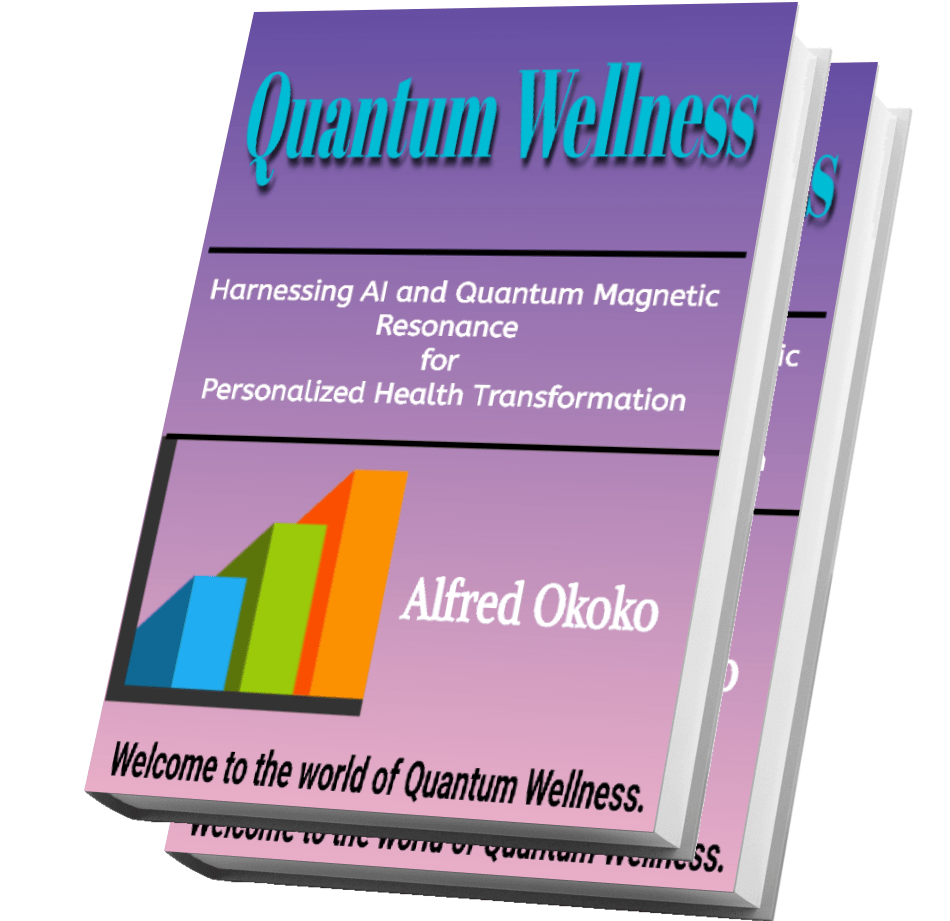
10 Lessons To Learn From Ebook Titled: “Quantum Wellness: Harnessing AI and Quantum Magnetic Resonance for Personalized Health Transformation”

Some ten potential lessons that might be derived from the book based on the themes of quantum wellness, AI, and personalized health are:

1. Understanding Quantum Wellness: Learn the foundational principles of quantum wellness, which may involve the interplay between energy, consciousness, and health.

2. The Role of AI in Health: Explore how artificial intelligence can analyze vast amounts of health data to provide personalized recommendations and insights for improving well-being.

3. Quantum Magnetic Resonance: Gain insights into how quantum magnetic resonance technology can be used to assess and enhance health at a cellular level.

4. Personalized Health Strategies: Discover the importance of tailoring health strategies to individual needs, preferences, and biological responses for optimal results.

5. Mind-Body Connection: Understand the significance of the mind-body connection in achieving holistic wellness and how mental states can influence physical health.

6. Preventive Health Measures: Learn about the importance of preventive health measures and how technology can help identify potential health issues before they become serious.

7. Integrative Approaches: Explore the benefits of integrating traditional health practices with modern technology for a more comprehensive approach to wellness.

8. Data-Driven Decisions: Understand how to leverage health data and analytics to make informed decisions about lifestyle changes, diet, and exercise.

9. The Power of Intention: Discover how setting intentions and maintaining a positive mindset can influence health outcomes and overall well-being.

10. Continuous Learning and Adaptation: Emphasize the importance of continuous learning and adapting health practices based on new information, personal experiences, and technological advancements.

These lessons reflect a blend of concepts focused on the intersection of quantum physics, wellness, and technology. For specific insights, it would be best to refer directly to the ebook itself.

Data-Driven Health: Revolutionizing Healthcare Through Analytics – Wellness

The integration of data analytics is transforming how we approach patient care, treatment outcomes, and operational efficiency. Data-driven health is not just a trend; it is a paradigm shift that leverages vast amounts of data to enhance decision-making processes, improve patient outcomes, and streamline healthcare operations. In this comprehensive article, we will explore the concept of data-driven health, its benefits, challenges, and future prospects.

What is Data-Driven Health?

Data-driven health refers to the systematic use of data analytics in healthcare to inform decisions, improve patient care, and enhance operational efficiency. This approach encompasses various data types, including electronic health records (EHRs), clinical trial data, patient-reported outcomes, and social determinants of health. By harnessing this data, healthcare providers can gain insights that lead to better treatment plans, personalized medicine, and improved patient engagement.

Key Components of Data-Driven Health

1. Electronic Health Records (EHRs): EHRs are digital versions of patients’ paper charts and are crucial for collecting and storing patient data. They provide a comprehensive view of a patient’s medical history, medications, allergies, and treatment plans.

2. Big Data Analytics:
The healthcare industry generates vast amounts of data daily. Big data analytics involves using advanced algorithms and statistical methods to analyze this data, uncover patterns, and derive actionable insights.

3. Predictive Analytics: This involves using historical data to predict future outcomes. For example, predictive analytics can help identify patients at risk of developing chronic diseases, allowing for early intervention.

4. Patient Engagement Tools: These tools, such as mobile health apps and patient portals, empower patients to take an active role in their healthcare. They provide access to personal health information, appointment scheduling, and communication with healthcare providers.

5. Interoperability: For data-driven health to be effective, different healthcare systems must communicate seamlessly. Interoperability ensures that data can be shared across platforms, enhancing collaboration among healthcare providers.

Benefits of Data-Driven Health

1. Improved Patient Outcomes

Data-driven health enables healthcare providers to make informed decisions based on real-time data. By analyzing patient data, providers can identify the most effective treatment plans, leading to improved patient outcomes. For instance, predictive analytics can help identify patients at risk of complications, allowing for timely interventions.

2. Enhanced Operational

EfficiencyHealthcare organizations can streamline their operations by leveraging data analytics. By analyzing workflow data, providers can identify bottlenecks, reduce wait times, and optimize resource allocation. This not only improves patient satisfaction but also reduces operational costs.

3. Personalized Medicine

Data-driven health allows for a more personalized approach to medicine. By analyzing genetic, environmental, and lifestyle factors, healthcare providers can tailor treatments to individual patients, increasing the likelihood of successful outcomes.

4. Better Population Health Management

Data analytics can help identify health trends within specific populations. By understanding the health needs of different demographic groups, healthcare providers can develop targeted interventions and preventive measures, ultimately improving community health.

5. Enhanced Research and Development

Data-driven health facilitates clinical research by providing researchers with access to large datasets. This can accelerate the development of new treatments and therapies, ultimately benefiting patients.

Challenges in Implementing Data-Driven Health

While the benefits of data-driven health are significant, several challenges must be addressed to fully realize its potential.

1. Data Privacy and Security

With the increasing amount of data being collected, ensuring patient privacy and data security is paramount. Healthcare organizations must comply with regulations such as HIPAA (Health Insurance Portability and Accountability Act) to protect sensitive patient information.

2. Data Interoperability

Despite advancements in technology, many healthcare systems still operate in silos, making it difficult to share data across platforms. Achieving interoperability is essential for effective data-driven health initiatives.

3. Data Quality and Standardization

The quality of data is crucial for accurate analysis. Inconsistent data formats and incomplete records can lead to erroneous conclusions. Establishing standardized data collection practices is essential for reliable analytics.

4. Resistance to Change

The healthcare industry is often resistant to change, particularly when it comes to adopting new technologies. Overcoming this resistance requires education and training for healthcare professionals to understand the benefits of data-driven health.

5. Cost of Implementation

Implementing data-driven health initiatives can be costly, particularly for smaller healthcare organizations. Investing in technology, training, and infrastructure is necessary to reap the long-term benefits of data analytics.

The Future of Data-Driven Health

As technology continues to advance, the future of data-driven health looks promising. Here are some trends to watch:

1. Artificial Intelligence and Machine Learning

AI and machine learning are set to play a significant role in data-driven health. These technologies can analyze vast amounts of data quickly and accurately, providing insights that were previously unattainable. From predictive analytics to personalized treatment plans, AI will revolutionize patient care.

2. Telemedicine and Remote Monitoring and Wellness

The COVID-19 pandemic accelerated the adoption of telemedicine and remote monitoring. These technologies generate valuable data that can be analyzed to improve patient care and outcomes. As these practices become more mainstream, data-driven health will continue to evolve.

3. Wearable Technology

Wearable devices, such as fitness trackers and smartwatches, are becoming increasingly popular. These devices collect real-time health data, which can be analyzed to provide insights into patients’ health and wellness. Integrating this data into EHRs will enhance patient care.

4. Blockchain Technology

Blockchain technology has the potential to enhance data security and interoperability in healthcare. By providing a secure and transparent way to share data, blockchain can address some of the challenges associated with data privacy and security.

5. Patient-Centric Care

The future of healthcare is shifting towards a more patient-centric approach. Data-driven health empowers patients to take control of their health by providing them with access to their health data and personalized treatment options.

Conclusion

Data-driven health is revolutionizing the healthcare industry by leveraging data analytics to improve patient outcomes, enhance operational efficiency, and facilitate personalized medicine. While challenges such as data privacy, interoperability, and resistance to change exist, the benefits far outweigh the obstacles. As technology continues to advance, the future of data-driven health looks bright, promising a more efficient, effective, and patient-centered healthcare system.

By embracing data-driven health, healthcare providers can not only improve the quality of care but also contribute to the overall well-being of communities. As we move forward, it is essential for healthcare organizations to invest in data analytics, foster a culture of innovation, and prioritize patient engagement to fully realize the potential of data-driven health.

Quantum Magnetic Resonance: Unlocking Cellular Health Insights: Wellspring Wellness

Innovative technologies are continually emerging to enhance our understanding of the human body. One such groundbreaking advancement is Quantum Magnetic Resonance (QMR) technology. This article delves into the principles of QMR, its applications in health assessment, and how it can be utilized to enhance health at a cellular level.

What is Quantum Magnetic Resonance?

Quantum Magnetic Resonance is a sophisticated technology that leverages the principles of quantum mechanics and magnetic resonance to analyze the body’s cellular structures. At its core, QMR operates on the premise that every cell in the body emits a unique electromagnetic frequency. By measuring these frequencies, QMR can provide insights into the health and functionality of cells, tissues, and organs.

The Science Behind QMR

To understand QMR, it’s essential to grasp the basic concepts of quantum mechanics and magnetic resonance:

1. Quantum Mechanics: This branch of physics studies the behavior of matter and energy at the atomic and subatomic levels. It reveals that particles can exist in multiple states simultaneously and that their behavior can be influenced by observation.

2.Magnetic Resonance: This technology is widely used in medical imaging, particularly in Magnetic Resonance Imaging (MRI). It involves the application of a magnetic field and radio waves to generate detailed images of the body’s internal structures.

By combining these two fields, QMR can detect the subtle electromagnetic frequencies emitted by cells, providing a non-invasive method to assess health.

How QMR Works

The QMR process involves several key steps:

1. Data Collections: A QMR device emits a magnetic field and captures the electromagnetic frequencies emitted by the body’s cells. This data is collected in real-time.

2.Frequency Analysis: The collected frequencies are analyzed using advanced algorithms. Each frequency corresponds to specific cellular functions and health indicators.

3. Health Assessment: The analysis provides insights into the health of various organs and systems, identifying potential imbalances or dysfunctions at the cellular level.

4. Personalized Recommendations: Based on the assessment, practitioners can offer tailored recommendations for lifestyle changes, dietary adjustments, and therapeutic interventions to enhance cellular health.

Benefits of Quantum Magnetic Resonance

1. Non-Invasive Health Assessment

One of the most significant advantages of QMR is its non-invasive nature. Unlike traditional diagnostic methods that may require blood tests, biopsies, or imaging, QMR provides a comprehensive assessment without any discomfort or risk to the patient.

2. Early Detection of Health Issues

QMR can identify imbalances and dysfunctions at the cellular level before they manifest as more severe health issues. This early detection allows for timely interventions, potentially preventing the progression of diseases.

3. Holistic Approach to Health

QMR takes a holistic view of health, considering the interconnectedness of various bodily systems. By assessing cellular health, practitioners can address underlying issues rather than merely treating symptoms.

4. Personalized Health Insights

The data collected through QMR can be tailored to individual needs, providing personalized health insights. This customization allows for more effective interventions and lifestyle changes.

5. Enhanced Wellness and Performance

By identifying areas for improvement at the cellular level, QMR can help individuals optimize their health and performance. This is particularly beneficial for athletes and those seeking to enhance their physical and mental capabilities.

Applications of Quantum Magnetic Resonance in Health

1. Preventive Healthcare

Preventive healthcare focuses on maintaining health and preventing disease before it occurs. QMR can play a crucial role in this field by identifying potential health risks early on. Regular QMR assessments can help individuals monitor their cellular health and make informed decisions about their lifestyle and wellness practices.

2. Chronic Disease Management

Chronic diseases such as diabetes, heart disease, and autoimmune disorders often stem from cellular dysfunction. QMR can assist in managing these conditions by providing insights into the underlying cellular issues. This information can guide treatment plans and lifestyle modifications to improve overall health.

3. Stress and Emotional Well-Being

Stress and emotional health significantly impact physical health. QMR can assess the effects of stress on cellular function, helping individuals understand how their emotional state influences their overall well-being. This awareness can lead to more effective stress management strategies.

4. Nutritional Guidance

Nutrition plays a vital role in cellular health. QMR can identify nutritional deficiencies or imbalances at the cellular level, allowing practitioners to recommend targeted dietary changes. This personalized approach can enhance overall health and vitality.

5. Athletic Performance Optimization

Athletes are always seeking ways to improve their performance. QMR can provide insights into cellular health, helping athletes identify areas for improvement. By optimizing cellular function, athletes can enhance their endurance, strength, and recovery.

The Future of Quantum Magnetic Resonance

As technology continues to advance, the potential applications of QMR in healthcare are vast. Researchers are exploring new ways to integrate QMR with other technologies, such as artificial intelligence and machine learning, to enhance data analysis and interpretation.

1. Integration with Telehealth

The rise of telehealth has transformed the way healthcare is delivered. QMR technology can be integrated into telehealth platforms, allowing practitioners to assess patients remotely. This accessibility can improve health outcomes, particularly for individuals in underserved areas.

2. Research and Development

Ongoing research into QMR technology will likely lead to new applications and improved methodologies. As our understanding of cellular health deepens, QMR may become a standard tool in preventive and integrative healthcare.

3. Public Awareness and Education

As awareness of QMR grows, more individuals may seek out this technology for health assessments. Education about the benefits and applications of QMR will be crucial in promoting its adoption in mainstream healthcare.

Conclusion

Quantum Magnetic Resonance technology represents a significant advancement in our understanding of health at a cellular level. By providing non-invasive, personalized insights into cellular function, QMR has the potential to revolutionize preventive healthcare, chronic disease management, and overall wellness.

As we continue to explore the capabilities of QMR, it is essential to remain informed about its applications and benefits. By embracing this innovative technology, individuals can take proactive steps toward optimizing their health and enhancing their quality of life.

The Role of AI in Health: Transforming Well-Being Through Data Analysis – Wellspring Wellness

In recent years, artificial intelligence (AI) has emerged as a transformative force in various sectors, and healthcare is no exception. The ability of AI to analyze vast amounts of health data has opened new avenues for personalized recommendations and insights, ultimately improving individual well-being. In this article, we will explore the multifaceted role of AI in health, its applications, benefits, challenges, and future prospects.

Understanding AI in Healthcare

Artificial intelligence refers to the simulation of human intelligence in machines programmed to think and learn like humans. In healthcare, AI encompasses a range of technologies, including machine learning, natural language processing, and predictive analytics. These technologies enable healthcare providers to analyze complex datasets, identify patterns, and make informed decisions.

The Importance of Health Data

Health data is generated from various sources, including electronic health records (EHRs), wearable devices, genetic testing, and patient surveys. This data is often unstructured and voluminous, making it challenging for healthcare professionals to extract meaningful insights. AI can process and analyze this data efficiently, providing valuable information that can lead to better patient outcomes.


How AI Analyzes Health Data

1. Data Collection and Integration

AI systems can aggregate data from multiple sources, including hospitals, clinics, and personal health devices. This integration allows for a comprehensive view of a patient’s health history, enabling more accurate assessments and recommendations.

2. Pattern Recognition

Machine learning algorithms can identify patterns in health data that may not be immediately apparent to human analysts. For example, AI can detect correlations between lifestyle choices and health outcomes, helping to identify risk factors for chronic diseases.

3. Predictive Analytics

AI can use historical data to predict future health events. For instance, predictive models can forecast the likelihood of a patient developing diabetes based on their current health metrics and lifestyle choices. This proactive approach allows for early intervention and personalized care plans

.4. Personalized Recommendations

By analyzing individual health data, AI can provide tailored recommendations for lifestyle changes, medication adjustments, and preventive measures. This personalization enhances patient engagement and adherence to treatment plans.

Applications of AI in Health

1.Personalized Medicine

AI is revolutionizing personalized medicine by enabling healthcare providers to tailor treatments based on individual genetic profiles and health histories. For example, AI algorithms can analyze genomic data to identify the most effective therapies for cancer patients, leading to improved outcomes and reduced side effects.

2. Chronic Disease Management

AI-powered tools can assist in managing chronic diseases such as diabetes, hypertension, and heart disease. By continuously monitoring patient data through wearable devices, AI can provide real-time feedback and alerts, empowering patients to make informed decisions about their health.

3. Drug Discovery and Development

The drug discovery process is often lengthy and costly. AI can streamline this process by analyzing vast datasets to identify potential drug candidates and predict their efficacy. This accelerates the development of new treatments and reduces the time it takes to bring them to market.

4. Virtual Health Assistants

AI-driven virtual health assistants can provide patients with instant access to health information and support. These chatbots can answer questions, schedule appointments, and even provide medication reminders, enhancing patient engagement and satisfaction.

5. Radiology and Imaging

AI algorithms are increasingly being used in radiology to analyze medical images. By detecting anomalies in X-rays, MRIs, and CT scans, AI can assist radiologists in making more accurate diagnoses, ultimately improving patient care.

Benefits of AI in Health

1. Enhanced Decision-Making

AI provides healthcare professionals with data-driven insights, enabling them to make more informed decisions. This leads to improved diagnostic accuracy and treatment efficacy.

2. Increased Efficiency

By automating routine tasks and data analysis, AI allows healthcare providers to focus on patient care rather than administrative duties. This increased efficiency can lead to shorter wait times and improved patient satisfaction.

3. Cost Reduction

AI has the potential to reduce healthcare costs by minimizing unnecessary tests and procedures. By providing accurate predictions and personalized recommendations, AI can help prevent costly complications and hospitalizations.

4. Improved Patient Outcomes

With personalized recommendations and proactive interventions, AI can significantly improve patient outcomes. Patients are more likely to adhere to treatment plans when they receive tailored advice and support.

Challenges and Ethical Considerations

While the potential of AI in healthcare is immense, several challenges and ethical considerations must be addressed.

1. Data Privacy and Security

The use of health data raises concerns about patient privacy and data security. Healthcare organizations must implement robust security measures to protect sensitive information from breaches and unauthorized access.

2. Bias in AI Algorithms

AI algorithms are only as good as the data they are trained on. If the training data is biased or unrepresentative, the AI’s recommendations may also be biased. Ensuring diversity in training datasets is crucial to avoid perpetuating health disparities.

3. Regulatory Hurdles

The integration of AI in healthcare faces regulatory challenges. Healthcare organizations must navigate complex regulations to ensure compliance while implementing AI solutions.

4. Acceptance and Trust

For AI to be effective in healthcare, patients and providers must trust its recommendations. Building this trust requires transparency in how AI algorithms work and the data they use.

The Future of AI in Health

The future of AI in healthcare is promising, with ongoing advancements in technology and data analytics. As AI continues to evolve, we can expect to see:

1. Greater Integration of AI in Clinical Practice

AI will become an integral part of clinical workflows, assisting healthcare providers in real-time decision-making and patient management.

2. Enhanced Predictive Capabilities

As AI algorithms become more sophisticated, their predictive capabilities will improve, allowing for even more accurate forecasts of health events and outcomes.

3. Expansion of Telehealth Services

The COVID-19 pandemic accelerated the adoption of telehealth services, and AI will play a crucial role in enhancing these platforms. AI-driven tools can provide virtual consultations, monitor patient progress, and offer personalized health recommendations.

4. Continuous Learning and Improvement

AI systems will continue to learn from new data, improving their accuracy and effectiveness over time. This continuous learning will enable healthcare providers to stay ahead of emerging health trends and challenges.

Conclusion

The role of AI in health is transformative, offering unprecedented opportunities for personalized recommendations and insights that can significantly improve well-being. By harnessing the power of data analysis, AI is paving the way for a more proactive and personalized approach to healthcare. However, addressing the challenges and ethical considerations associated with AI is essential to ensure its successful integration into the healthcare system.

As we look to the future, the collaboration between AI and healthcare professionals will be crucial in unlocking the full potential of this technology. By embracing AI, we can create a healthier, more informed society where individuals are empowered to take charge of their well-being.

Design a site like this with WordPress.com
Get started