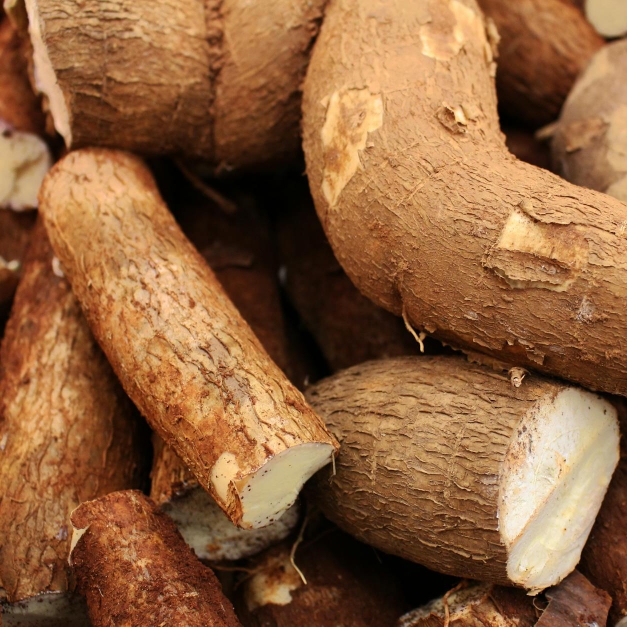
Cassava, also known as manioc or yuca, is a starchy root vegetable native to South America but widely cultivated in tropical and subtropical regions around the world. It is a staple food for millions of people, particularly in Africa, Asia, and Latin America. Beyond its culinary versatility, cassava offers numerous health benefits that make it a valuable addition to a balanced diet. In this article, we will explore ten health benefits of eating cassava.
10 Health Benefits of Eating Cassava
1. Rich Source of Carbohydrates
Cassava is primarily composed of carbohydrates, making it an excellent energy source. It is particularly beneficial for individuals with high energy needs, such as athletes or those engaged in physically demanding work. The complex carbohydrates in cassava provide a steady release of energy, helping to maintain stamina throughout the day.
2. Gluten-Free Alternative
For those with celiac disease or gluten sensitivity, cassava serves as a fantastic gluten-free alternative to wheat and other grains. It can be used to make flour, which is perfect for baking and cooking. This makes cassava a versatile ingredient for gluten-free diets, allowing individuals to enjoy a variety of dishes without compromising their health.
3. High in Fiber
Cassava is a good source of dietary fiber, which is essential for digestive health. Fiber aids in regular bowel movements, helps prevent constipation, and promotes a healthy gut microbiome. A diet rich in fiber can also help control blood sugar levels and reduce the risk of developing chronic diseases such as heart disease and diabetes.
4. Supports Immune Function
Cassava contains essential vitamins and minerals, including vitamin C, which plays a crucial role in supporting the immune system. Vitamin C is an antioxidant that helps protect the body from free radicals and strengthens the immune response. Regular consumption of cassava can contribute to overall health and help the body fend off infections.
5. Promotes Healthy Skin
The presence of antioxidants in cassava, particularly vitamin C, can also benefit skin health. Antioxidants help combat oxidative stress, which can lead to premature aging and skin damage. Additionally, cassava contains compounds that may promote collagen production, contributing to skin elasticity and a youthful appearance.
6. Provides Essential Nutrients
Cassava is a source of several essential nutrients, including potassium, magnesium, and folate. Potassium is vital for maintaining healthy blood pressure levels and proper muscle function, while magnesium supports bone health and energy production. Folate is essential for DNA synthesis and is particularly important for pregnant women to support fetal development.
7. Aids in Weight Management
Despite being high in carbohydrates, cassava can be beneficial for weight management when consumed in moderation. Its high fiber content promotes satiety, helping individuals feel full for longer periods. This can reduce overall calorie intake and assist in weight loss or maintenance efforts. Additionally, cassava’s low-fat content makes it a healthy choice for those looking to manage their weight.
8. Supports Bone Health
The minerals found in cassava, particularly calcium and phosphorus, are essential for maintaining strong and healthy bones. Regular consumption of cassava can contribute to bone density and help prevent conditions such as osteoporosis. Including cassava in a balanced diet, along with other calcium-rich foods, can support overall skeletal health.
9. May Help Regulate Blood Sugar Levels
Cassava has a low glycemic index compared to other starchy foods, meaning it has a slower impact on blood sugar levels. This makes it a suitable option for individuals with diabetes or those looking to manage their blood sugar. The fiber content in cassava also aids in stabilizing blood sugar levels by slowing down the absorption of glucose in the bloodstream.
10. Versatile Culinary Uses
One of the most appealing aspects of cassava is its versatility in the kitchen. It can be boiled, baked, fried, or processed into flour, making it suitable for a wide range of dishes. From cassava chips to tapioca pudding, the possibilities are endless. This adaptability allows individuals to incorporate cassava into their diets in various delicious ways, ensuring they reap its health benefits while enjoying their meals.
Conclusion
Incorporating cassava into your diet can provide numerous health benefits, from being a rich source of carbohydrates to supporting immune function and promoting healthy skin. Its gluten-free nature and high fiber content make it an excellent choice for those with dietary restrictions or those looking to improve their overall health. With its versatility in the kitchen, cassava can easily be included in a variety of dishes, making it a valuable addition to any balanced diet. As with any food, moderation is key, and it is essential to prepare cassava properly to avoid potential toxicity from raw consumption. By enjoying cassava as part of a diverse and nutritious diet, you can take advantage of its many health benefits while savoring its unique flavor and texture.
 The Inner Healing Blueprint Collection