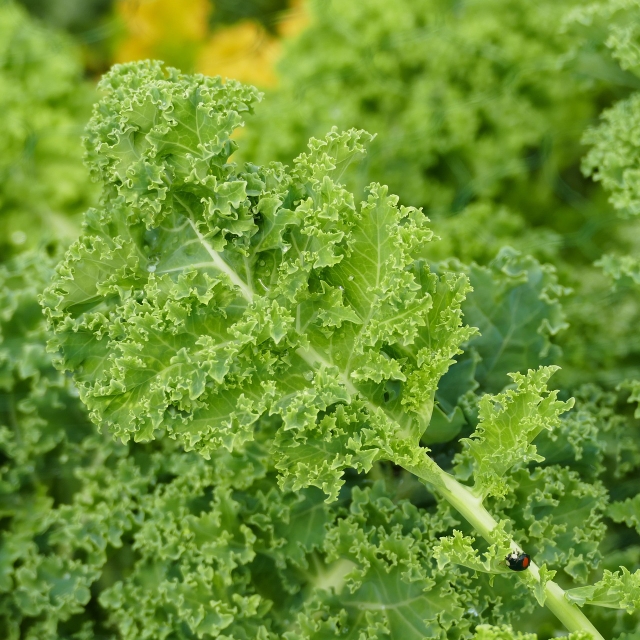
Kale, often dubbed the “queen of greens,” has gained immense popularity in recent years, and for good reason. This leafy green vegetable is not only versatile and delicious but also packed with nutrients that can significantly enhance your health. In this article, we will explore ten remarkable health benefits of incorporating kale into your diet.
10 Health Benefits of Eating Kale
1. Nutrient-Dense Superfood
Kale is a nutritional powerhouse. Just one cup of raw kale contains a wealth of vitamins and minerals, including vitamins A, C, and K, as well as calcium, potassium, and magnesium. It is low in calories but high in fiber, making it an excellent choice for those looking to maintain a healthy weight while still getting essential nutrients.
2. Rich in Antioxidants
Kale is loaded with antioxidants, which help combat oxidative stress in the body. These compounds, including quercetin and kaempferol, can reduce inflammation and lower the risk of chronic diseases. Antioxidants play a crucial role in neutralizing free radicals, which can damage cells and lead to various health issues, including cancer and heart disease.
3. Supports Heart Health
The high levels of fiber, potassium, and antioxidants in kale contribute to heart health. Fiber helps lower cholesterol levels, while potassium helps regulate blood pressure. Additionally, the anti-inflammatory properties of kale can reduce the risk of heart disease. Regular consumption of kale may help maintain a healthy cardiovascular system and reduce the likelihood of heart-related issues.
4. Promotes Healthy Digestion
Kale is an excellent source of dietary fiber, which is essential for maintaining a healthy digestive system. Fiber aids in regular bowel movements, prevents constipation, and promotes a healthy gut microbiome. A diet rich in fiber can also help reduce the risk of digestive disorders, such as diverticulitis and irritable bowel syndrome (IBS).
5. Supports Bone Health
Kale is an excellent source of vitamin K, which plays a vital role in bone health. Vitamin K is essential for calcium absorption and helps maintain bone density. Additionally, kale contains calcium and magnesium, both of which are crucial for strong bones. Including kale in your diet can help reduce the risk of osteoporosis and fractures as you age.
6. Boosts Immune Function
The high vitamin C content in kale is a significant contributor to a robust immune system. Vitamin C is known for its role in enhancing the immune response and protecting against infections. Regular consumption of kale can help strengthen your immune system, making it easier for your body to fend off illnesses and infections.
7. Aids in Weight Management
Kale is low in calories and high in fiber, making it an ideal food for those looking to manage their weight. The fiber in kale promotes a feeling of fullness, reducing the likelihood of overeating. Additionally, the nutrient density of kale means you can consume fewer calories while still getting the essential vitamins and minerals your body needs.
8. Supports Eye Health
Kale is rich in lutein and zeaxanthin, two antioxidants that are particularly beneficial for eye health. These compounds help protect the eyes from harmful blue light and reduce the risk of age-related macular degeneration (AMD) and cataracts. Including kale in your diet can contribute to better vision and overall eye health as you age.
9. May Help Prevent Cancer
Several studies suggest that the compounds found in kale may have cancer-fighting properties. The glucosinolates in kale can help detoxify the body and may reduce the risk of certain types of cancer, including breast, prostate, and colon cancer. While more research is needed, incorporating kale into a balanced diet may contribute to cancer prevention.
10. Enhances Skin Health
Kale is rich in vitamins A, C, and K, all of which are essential for maintaining healthy skin. Vitamin C, in particular, is crucial for collagen production, which helps keep the skin firm and youthful. The antioxidants in kale also help protect the skin from damage caused by UV rays and pollution, promoting a radiant complexion.
How to Incorporate Kale into Your Diet
Now that you know the numerous health benefits of kale, you might be wondering how to include it in your meals. Here are some simple ways to enjoy this nutritious green:
- Salads: Toss raw kale with your favorite vegetables, nuts, and a light dressing for a refreshing salad.
- Smoothies: Blend kale with fruits, yogurt, and a splash of juice for a nutrient-packed smoothie.
- Soups and Stews: Add chopped kale to soups and stews for added flavor and nutrition.
- Sautéed: Sauté kale with garlic and olive oil for a delicious side dish.
- Kale Chips: Bake kale leaves with a sprinkle of salt and olive oil for a healthy snack.
Conclusion
Kale is more than just a trendy superfood; it is a versatile and nutrient-dense vegetable that offers a wide array of health benefits. From supporting heart health to promoting healthy digestion and enhancing skin health, incorporating kale into your diet can significantly improve your overall well-being. So, whether you enjoy it raw, cooked, or blended, make kale a regular part of your meals and reap the rewards of this incredible green.
 The Inner Healing Blueprint Collection