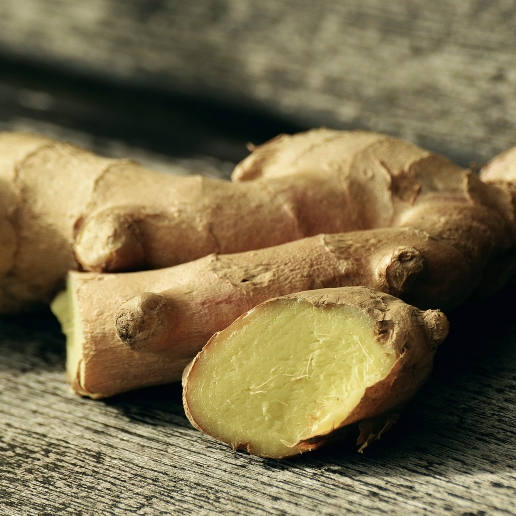
Ginger, a popular spice known for its distinctive flavor and aroma, has been used for centuries in traditional medicine and culinary practices. This rhizome, native to Southeast Asia, is not only a staple in many kitchens but also a powerhouse of health benefits. In this article, we will explore ten remarkable health benefits of eating ginger, supported by scientific research and traditional wisdom.
10 Health Benefits of Eating Ginger
1. Anti-Inflammatory Properties
One of the most well-known benefits of ginger is its potent anti-inflammatory properties. Ginger contains bioactive compounds, such as gingerol, which have been shown to reduce inflammation in the body. Chronic inflammation is linked to various health issues, including heart disease, diabetes, and cancer. Regular consumption of ginger may help alleviate symptoms of inflammatory conditions like arthritis and muscle pain.
2. Digestive Aid
Ginger has long been used as a remedy for digestive issues. It can help stimulate saliva, bile, and gastric enzymes, promoting better digestion. Studies have shown that ginger can effectively reduce nausea and vomiting, particularly in pregnant women and those undergoing chemotherapy. Additionally, ginger may help alleviate bloating and gas, making it a valuable addition to meals.
3. Immune System Support
Ginger is rich in antioxidants, which play a crucial role in supporting the immune system. Antioxidants help combat oxidative stress and free radicals in the body, reducing the risk of chronic diseases. Regular consumption of ginger may enhance the body’s ability to fight off infections and illnesses, making it a great addition to your diet, especially during cold and flu season.
4. Pain Relief
Ginger has been recognized for its analgesic properties, making it an effective natural remedy for pain relief. Research suggests that ginger can help reduce muscle soreness and menstrual pain. A study published in the “Journal of Pain” found that participants who consumed ginger experienced less pain after exercise compared to those who did not. Incorporating ginger into your diet may provide a natural alternative to over-the-counter pain medications.
5. Blood Sugar Regulation
Emerging research indicates that ginger may play a role in regulating blood sugar levels. Some studies have shown that ginger can improve insulin sensitivity and lower fasting blood sugar levels. This is particularly beneficial for individuals with type 2 diabetes or those at risk of developing the condition. Including ginger in your diet may help maintain stable blood sugar levels and reduce the risk of complications associated with diabetes.
6. Heart Health
Ginger may contribute to heart health by lowering cholesterol levels and improving circulation. Some studies suggest that ginger can help reduce LDL (bad) cholesterol and triglycerides while increasing HDL (good) cholesterol. Additionally, ginger’s anti-inflammatory properties may help reduce the risk of heart disease by preventing the buildup of plaque in the arteries. Incorporating ginger into your diet can be a heart-healthy choice.
7. Weight Management
For those looking to manage their weight, ginger may be a helpful ally. Some research indicates that ginger can boost metabolism and promote fat burning. It may also help reduce feelings of hunger, leading to lower calorie intake. By incorporating ginger into meals or beverages, individuals may find it easier to maintain a healthy weight and support their weight loss goals.
8. Improved Brain Function
The anti-inflammatory and antioxidant properties of ginger extend to brain health as well. Some studies suggest that ginger may help protect against age-related cognitive decline and improve memory and attention. The bioactive compounds in ginger may reduce oxidative stress and inflammation in the brain, potentially lowering the risk of neurodegenerative diseases such as Alzheimer’s and Parkinson’s.
9. Menstrual Pain Relief
Many women experience discomfort during their menstrual cycles, and ginger may offer a natural solution. Research has shown that ginger can be as effective as non-steroidal anti-inflammatory drugs (NSAIDs) in reducing menstrual pain. Consuming ginger tea or supplements during menstruation may help alleviate cramps and discomfort, providing a natural alternative to traditional pain relief methods.
10. Respiratory Health
Ginger has been traditionally used to alleviate respiratory issues, and modern research supports its effectiveness. The anti-inflammatory properties of ginger can help soothe the airways and reduce symptoms of respiratory conditions such as asthma and bronchitis. Additionally, ginger may help break down mucus, making it easier to expel and providing relief from congestion. Incorporating ginger into your diet, especially during cold and flu season, may support respiratory health.
Conclusion
Incorporating ginger into your diet can offer a wide range of health benefits, from reducing inflammation and aiding digestion to supporting heart health and improving brain function. Whether enjoyed in teas, smoothies, or as a spice in cooking, ginger is a versatile and flavorful addition to any meal. As with any dietary change, it’s essential to consult with a healthcare professional, especially if you have underlying health conditions or are taking medications. Embrace the power of ginger and enjoy its numerous health benefits for a healthier, more vibrant life.
 The Inner Healing Blueprint Collection