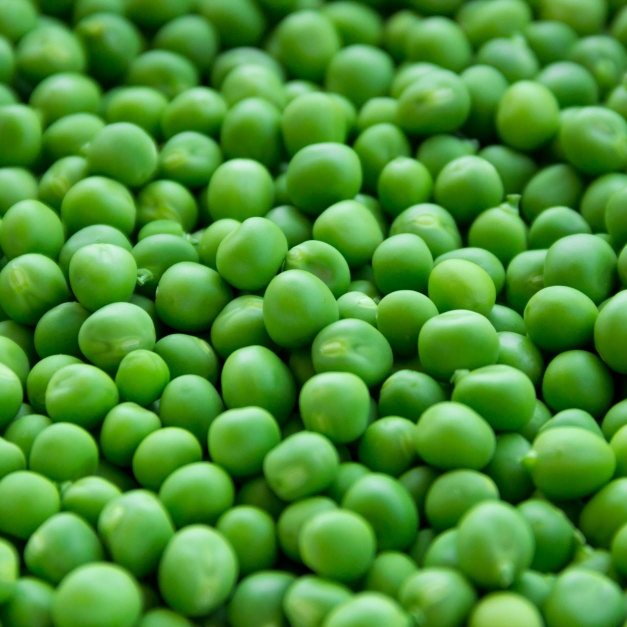
Peas, often overlooked in the realm of superfoods, are small but mighty legumes that pack a powerful nutritional punch. Whether fresh, frozen, or dried, these vibrant green gems are not only delicious but also offer a plethora of health benefits. Here, we explore seven compelling reasons to incorporate peas into your diet.
7 Health Benefits of Eating Peas
1. Rich in Nutrients
Peas are a nutrient-dense food, providing a wide array of vitamins and minerals essential for overall health. A single cup of cooked green peas contains significant amounts of vitamin K, vitamin C, vitamin A, and several B vitamins, including folate. Additionally, they are a good source of minerals such as iron, magnesium, and phosphorus. This nutrient profile supports various bodily functions, from immune health to energy production.
2. High in Protein
For those seeking plant-based protein sources, peas are an excellent choice. A cup of cooked peas contains about 8 grams of protein, making them a valuable addition to vegetarian and vegan diets. Protein is crucial for muscle repair, immune function, and the production of enzymes and hormones. Including peas in your meals can help you meet your daily protein needs while also providing essential amino acids.
3. Excellent Source of Fiber
Peas are high in dietary fiber, which is vital for digestive health. A cup of cooked peas provides around 8 grams of fiber, promoting regular bowel movements and preventing constipation. Fiber also plays a significant role in maintaining a healthy gut microbiome, which is linked to improved immune function and reduced inflammation. Furthermore, a high-fiber diet can help control blood sugar levels and lower cholesterol, reducing the risk of heart disease.
4. Antioxidant Properties
Peas are rich in antioxidants, including flavonoids, carotenoids, and phenolic acids. These compounds help combat oxidative stress in the body, which can lead to chronic diseases such as cancer and heart disease. Antioxidants neutralize free radicals, reducing inflammation and protecting cells from damage. By incorporating peas into your diet, you can enhance your body’s defense against oxidative stress and promote overall health.
5. Supports Heart Health
The combination of fiber, antioxidants, and anti-inflammatory properties in peas makes them beneficial for heart health. Studies have shown that diets rich in legumes, including peas, can lower blood pressure and cholesterol levels. The potassium content in peas also contributes to heart health by helping to regulate blood pressure. By including peas in your meals, you can support cardiovascular health and reduce the risk of heart-related issues.
6. Aids in Weight Management
Peas can be a valuable ally in weight management due to their high fiber and protein content. Both fiber and protein promote feelings of fullness, reducing overall calorie intake. Incorporating peas into meals can help curb hunger and prevent overeating. Additionally, they are low in calories, making them an excellent choice for those looking to maintain or lose weight without sacrificing nutrition.
7. Supports Healthy Skin
The vitamins and antioxidants found in peas contribute to healthy skin. Vitamin C, in particular, plays a crucial role in collagen production, which is essential for maintaining skin elasticity and reducing the appearance of wrinkles. The anti-inflammatory properties of peas can also help soothe skin conditions and promote a clear complexion. Including peas in your diet can support skin health from the inside out.
Conclusion
Incorporating peas into your diet is a simple and delicious way to enhance your overall health. With their rich nutrient profile, high protein and fiber content, and numerous health benefits, peas deserve a prominent place on your plate. Whether tossed in salads, blended into soups, or served as a side dish, these little legumes can make a big impact on your well-being. So next time you’re planning your meals, don’t forget to add a serving of peas for a nutritious boost!
 The Inner Healing Blueprint Collection