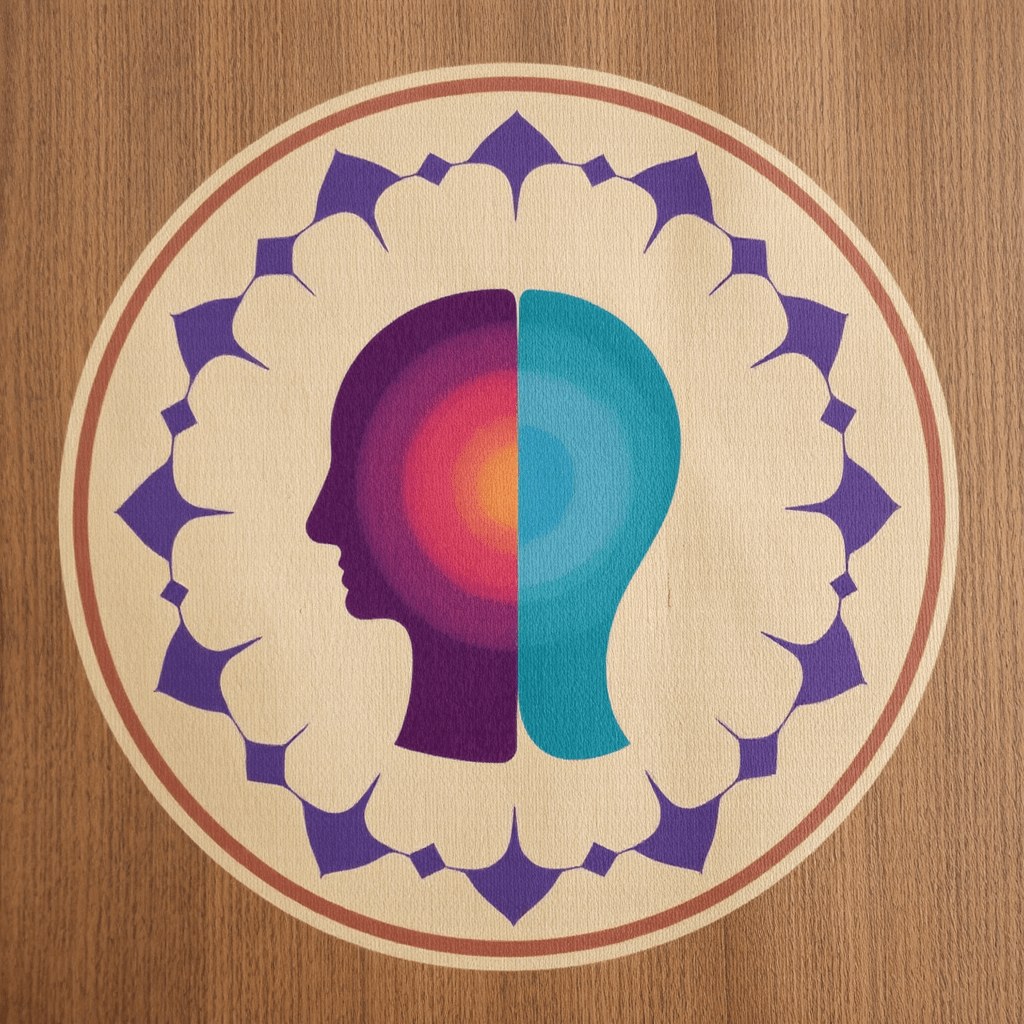
In the quest for holistic wellness, the mind-body connection stands as a pivotal concept that intertwines our mental and physical health. Understanding this connection can lead to profound changes in how we approach our well-being. In this article, we will explore the significance of the mind-body connection, how mental states influence physical health, and practical strategies to harness this connection for a healthier, more balanced life.
What is the Mind-Body Connection?
The mind-body connection refers to the intricate relationship between our thoughts, emotions, and physical health. It is the understanding that our mental state can significantly impact our physical well-being and vice versa. This connection has been recognized for centuries in various cultures and healing practices, from ancient Chinese medicine to modern psychology.
Historical Perspective
Historically, the mind-body connection has been acknowledged in various forms. Ancient philosophies, such as Ayurveda and Traditional Chinese Medicine, emphasized the importance of balancing the mind and body for optimal health. In the 20th century, the field of psychology began to explore this connection more scientifically, leading to the development of psychosomatic medicine, which studies how psychological factors can influence physical health.
The Science Behind the Mind-Body Connection
Recent research has provided substantial evidence supporting the mind-body connection. Studies in fields such as psychoneuroimmunology have demonstrated how mental states can affect physiological processes. Here are some key findings:
1. Stress and the Immune System
Chronic stress has been shown to weaken the immune system, making individuals more susceptible to illness. When we experience stress, our bodies release hormones like cortisol, which can suppress immune function over time. Conversely, practices that promote relaxation, such as meditation and yoga, can enhance immune response.
2. The Gut-Brain Axis
The gut-brain axis is a bidirectional communication system between the gastrointestinal tract and the brain. Research indicates that our mental state can influence gut health, and vice versa. For instance, anxiety and depression can lead to gastrointestinal issues, while a healthy gut microbiome can positively affect mood and cognitive function.
3. The Role of Emotions in Chronic Pain
Emotional states can significantly impact the perception of pain. Studies have shown that individuals with chronic pain conditions often experience heightened emotional distress, which can exacerbate their pain. Techniques such as cognitive-behavioral therapy (CBT) have been effective in helping individuals manage both their emotional and physical symptoms.
The Impact of Mental States on Physical Health
Understanding how mental states influence physical health is crucial for achieving holistic wellness. Here are some ways in which our thoughts and emotions can affect our bodies:
1. Anxiety and Heart Health
Anxiety can lead to increased heart rate and blood pressure, putting strain on the cardiovascular system. Over time, chronic anxiety can contribute to heart disease. Engaging in stress-reducing activities, such as mindfulness meditation, can help mitigate these effects.
2. Depression and Inflammation
Research has shown a link between depression and increased levels of inflammation in the body. Chronic inflammation is associated with various health issues, including autoimmune diseases and heart disease. Addressing mental health through therapy and lifestyle changes can help reduce inflammation and improve overall health.
3. Positive Thinking and Recovery
A positive mindset can enhance recovery from illness or surgery. Studies have found that individuals with a positive outlook tend to heal faster and experience less pain. Techniques such as visualization and affirmations can help cultivate a positive mental state.
Strategies to Enhance the Mind-Body Connection
To harness the power of the mind-body connection for holistic wellness, consider incorporating the following strategies into your daily routine:
1. Mindfulness Meditation
Mindfulness meditation involves focusing on the present moment without judgment. This practice can reduce stress, improve emotional regulation, and enhance overall well-being. Start with just a few minutes each day and gradually increase the duration as you become more comfortable.
2. Yoga and Movement
Yoga combines physical postures, breath control, and meditation, making it an excellent practice for enhancing the mind-body connection. Regular yoga practice can improve flexibility, strength, and mental clarity. Additionally, any form of movement, such as walking or dancing, can help release endorphins and improve mood.
3. Journaling
Writing about your thoughts and feelings can provide insight into your mental state and help you process emotions. Journaling can also serve as a tool for self-reflection and goal-setting, promoting a positive mindset.
4. Nutrition and Gut Health
A balanced diet rich in whole foods can support both mental and physical health. Foods high in omega-3 fatty acids, antioxidants, and probiotics can positively influence mood and cognitive function. Consider incorporating foods like fatty fish, berries, and fermented foods into your diet.
5. Social Connections
Building and maintaining strong social connections can enhance emotional well-being and provide support during challenging times. Engage in activities that foster relationships, such as joining clubs, volunteering, or simply spending time with loved ones.
6. Professional Support
If you’re struggling with mental health issues, seeking professional support from a therapist or counselor can be beneficial. They can provide tools and strategies to help you manage your mental state and improve your overall well-being.
The Role of Alternative Therapies
In addition to traditional approaches, various alternative therapies can enhance the mind-body connection. Here are a few to consider:
1. Acupuncture
Acupuncture is a traditional Chinese medicine practice that involves inserting thin needles into specific points on the body. It is believed to promote balance and harmony within the body, potentially alleviating stress and pain.
2. Massage Therapy
Massage therapy can help reduce muscle tension, improve circulation, and promote relaxation. The physical touch involved in massage can also release oxytocin, a hormone that fosters feelings of connection and well-being.
3. Aromatherapy
SEO Optimization Tips
Aromatherapy uses essential oils to promote physical and emotional well-being. Certain scents, such as lavender and chamomile, can have calming effects, while others, like citrus, can boost mood and energy levels.
Conclusion: Embracing the Mind-Body Connection for Holistic Wellness
The mind-body connection is a powerful tool in achieving holistic wellness. By understanding how our mental states influence physical health, we can take proactive steps to enhance our well-being. Incorporating mindfulness practices, nurturing social connections, and exploring alternative therapies can help us cultivate a balanced and healthy life.
As we continue to learn more about the mind-body connection, it becomes increasingly clear that our mental and physical health are intertwined. By embracing this connection, we can unlock the potential for a healthier, happier life. Start today by taking small steps towards nurturing your mind and body, and watch as your overall wellness flourishes.
- African Potato (Hypoxis hemerocallidea): A Natural Wonder for Immunity and Vitality: Wellness WellspringDiscover the powerful health benefits of the African Potato (Hypoxis hemerocallidea). Rich in sterols and glycosides, this natural remedy boosts immunity, fights infections, and supports chronic illness management. Learn how to use it for vitality and wellness. Introduction For centuries, traditional healers across Africa have relied on the potent properties of the African Potato (HypoxisContinue reading “African Potato (Hypoxis hemerocallidea): A Natural Wonder for Immunity and Vitality: Wellness Wellspring”
- Sutherlandia (Cancer Bush): The African Powerhouse Herb for Immunity and Vitality: Wellness WellspringIn the heart of Southern Africa, where the sun kisses the earth with warmth and life flourishes in its purest form, a remarkable plant thrives—Sutherlandia frutescens, known to many as Cancer Bush. This ancient medicinal herb has been used for centuries by indigenous communities for its powerful healing properties, particularly in strengthening immunity, reducing inflammation,Continue reading “Sutherlandia (Cancer Bush): The African Powerhouse Herb for Immunity and Vitality: Wellness Wellspring”
- The Natural Anti-Retroviral Solution: Harnessing Herbs, Nutrition, and Lifestyle for Immune Strength: Wellness WellspringThe world is currently witnessing a shift in healthcare funding, particularly in developing nations. In Kenya and many other African countries, the reduction in donor funding from the USA for health programs, especially for the supply of anti-retrovirals (ARVs) for HIV and AIDS patients, is causing widespread concern. This has placed many lives at risk,Continue reading “The Natural Anti-Retroviral Solution: Harnessing Herbs, Nutrition, and Lifestyle for Immune Strength: Wellness Wellspring”
- Pranic Healing and Arthritis Stiffness Relief: A Natural Path to Wellness: Wellspring WellnessArthritis is a condition that affects millions of people worldwide, causing pain, stiffness, and inflammation in the joints. For many, the quest for relief often leads to a cocktail of medications, physical therapy, and sometimes invasive procedures. However, an alternative approach gaining traction is **Pranic Healing**—a holistic, energy-based therapy that promises not just relief fromContinue reading “Pranic Healing and Arthritis Stiffness Relief: A Natural Path to Wellness: Wellspring Wellness”
- Top Home Remedies to Soothe Peptic Ulcers: Wellspring WellnessPeptic ulcers are painful sores that develop on the lining of the stomach, small intestine, or esophagus. They can cause discomfort, bloating, and a range of other gastrointestinal symptoms. While medical treatment is essential for severe cases, many people seek home remedies to alleviate symptoms and promote healing. In this article, we will explore theContinue reading “Top Home Remedies to Soothe Peptic Ulcers: Wellspring Wellness”
 The Inner Healing Blueprint Collection