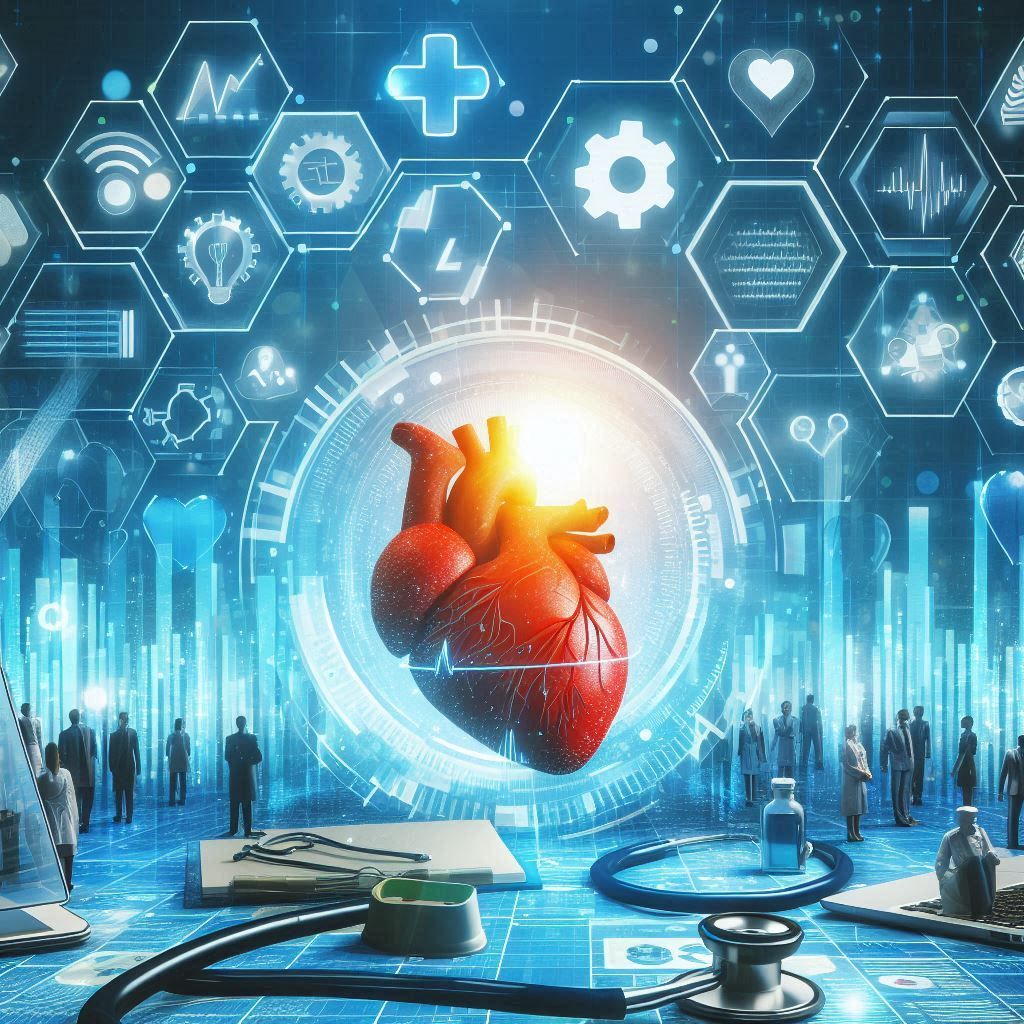
The integration of data analytics is transforming how we approach patient care, treatment outcomes, and operational efficiency. Data-driven health is not just a trend; it is a paradigm shift that leverages vast amounts of data to enhance decision-making processes, improve patient outcomes, and streamline healthcare operations. In this comprehensive article, we will explore the concept of data-driven health, its benefits, challenges, and future prospects.
What is Data-Driven Health?
Data-driven health refers to the systematic use of data analytics in healthcare to inform decisions, improve patient care, and enhance operational efficiency. This approach encompasses various data types, including electronic health records (EHRs), clinical trial data, patient-reported outcomes, and social determinants of health. By harnessing this data, healthcare providers can gain insights that lead to better treatment plans, personalized medicine, and improved patient engagement.
Key Components of Data-Driven Health
1. Electronic Health Records (EHRs): EHRs are digital versions of patients’ paper charts and are crucial for collecting and storing patient data. They provide a comprehensive view of a patient’s medical history, medications, allergies, and treatment plans.
2. Big Data Analytics:
The healthcare industry generates vast amounts of data daily. Big data analytics involves using advanced algorithms and statistical methods to analyze this data, uncover patterns, and derive actionable insights.
3. Predictive Analytics: This involves using historical data to predict future outcomes. For example, predictive analytics can help identify patients at risk of developing chronic diseases, allowing for early intervention.
4. Patient Engagement Tools: These tools, such as mobile health apps and patient portals, empower patients to take an active role in their healthcare. They provide access to personal health information, appointment scheduling, and communication with healthcare providers.
5. Interoperability: For data-driven health to be effective, different healthcare systems must communicate seamlessly. Interoperability ensures that data can be shared across platforms, enhancing collaboration among healthcare providers.
Benefits of Data-Driven Health
1. Improved Patient Outcomes
Data-driven health enables healthcare providers to make informed decisions based on real-time data. By analyzing patient data, providers can identify the most effective treatment plans, leading to improved patient outcomes. For instance, predictive analytics can help identify patients at risk of complications, allowing for timely interventions.
2. Enhanced Operational
EfficiencyHealthcare organizations can streamline their operations by leveraging data analytics. By analyzing workflow data, providers can identify bottlenecks, reduce wait times, and optimize resource allocation. This not only improves patient satisfaction but also reduces operational costs.
3. Personalized Medicine
Data-driven health allows for a more personalized approach to medicine. By analyzing genetic, environmental, and lifestyle factors, healthcare providers can tailor treatments to individual patients, increasing the likelihood of successful outcomes.
4. Better Population Health Management
Data analytics can help identify health trends within specific populations. By understanding the health needs of different demographic groups, healthcare providers can develop targeted interventions and preventive measures, ultimately improving community health.
5. Enhanced Research and Development
Data-driven health facilitates clinical research by providing researchers with access to large datasets. This can accelerate the development of new treatments and therapies, ultimately benefiting patients.
Challenges in Implementing Data-Driven Health
While the benefits of data-driven health are significant, several challenges must be addressed to fully realize its potential.
1. Data Privacy and Security
With the increasing amount of data being collected, ensuring patient privacy and data security is paramount. Healthcare organizations must comply with regulations such as HIPAA (Health Insurance Portability and Accountability Act) to protect sensitive patient information.
2. Data Interoperability
Despite advancements in technology, many healthcare systems still operate in silos, making it difficult to share data across platforms. Achieving interoperability is essential for effective data-driven health initiatives.
3. Data Quality and Standardization
The quality of data is crucial for accurate analysis. Inconsistent data formats and incomplete records can lead to erroneous conclusions. Establishing standardized data collection practices is essential for reliable analytics.
4. Resistance to Change
The healthcare industry is often resistant to change, particularly when it comes to adopting new technologies. Overcoming this resistance requires education and training for healthcare professionals to understand the benefits of data-driven health.
5. Cost of Implementation
Implementing data-driven health initiatives can be costly, particularly for smaller healthcare organizations. Investing in technology, training, and infrastructure is necessary to reap the long-term benefits of data analytics.
The Future of Data-Driven Health
As technology continues to advance, the future of data-driven health looks promising. Here are some trends to watch:
1. Artificial Intelligence and Machine Learning
AI and machine learning are set to play a significant role in data-driven health. These technologies can analyze vast amounts of data quickly and accurately, providing insights that were previously unattainable. From predictive analytics to personalized treatment plans, AI will revolutionize patient care.
2. Telemedicine and Remote Monitoring and Wellness
The COVID-19 pandemic accelerated the adoption of telemedicine and remote monitoring. These technologies generate valuable data that can be analyzed to improve patient care and outcomes. As these practices become more mainstream, data-driven health will continue to evolve.
3. Wearable Technology
Wearable devices, such as fitness trackers and smartwatches, are becoming increasingly popular. These devices collect real-time health data, which can be analyzed to provide insights into patients’ health and wellness. Integrating this data into EHRs will enhance patient care.
4. Blockchain Technology
Blockchain technology has the potential to enhance data security and interoperability in healthcare. By providing a secure and transparent way to share data, blockchain can address some of the challenges associated with data privacy and security.
5. Patient-Centric Care
The future of healthcare is shifting towards a more patient-centric approach. Data-driven health empowers patients to take control of their health by providing them with access to their health data and personalized treatment options.
Conclusion
Data-driven health is revolutionizing the healthcare industry by leveraging data analytics to improve patient outcomes, enhance operational efficiency, and facilitate personalized medicine. While challenges such as data privacy, interoperability, and resistance to change exist, the benefits far outweigh the obstacles. As technology continues to advance, the future of data-driven health looks bright, promising a more efficient, effective, and patient-centered healthcare system.
By embracing data-driven health, healthcare providers can not only improve the quality of care but also contribute to the overall well-being of communities. As we move forward, it is essential for healthcare organizations to invest in data analytics, foster a culture of innovation, and prioritize patient engagement to fully realize the potential of data-driven health.
- African Potato (Hypoxis hemerocallidea): A Natural Wonder for Immunity and Vitality: Wellness WellspringDiscover the powerful health benefits of the African Potato (Hypoxis hemerocallidea). Rich in sterols and glycosides, this natural remedy boosts immunity, fights infections, and supports chronic illness management. Learn how to use it for vitality and wellness. Introduction For centuries, traditional healers across Africa have relied on the potent properties of the African Potato (HypoxisContinue reading “African Potato (Hypoxis hemerocallidea): A Natural Wonder for Immunity and Vitality: Wellness Wellspring”
- Sutherlandia (Cancer Bush): The African Powerhouse Herb for Immunity and Vitality: Wellness WellspringIn the heart of Southern Africa, where the sun kisses the earth with warmth and life flourishes in its purest form, a remarkable plant thrives—Sutherlandia frutescens, known to many as Cancer Bush. This ancient medicinal herb has been used for centuries by indigenous communities for its powerful healing properties, particularly in strengthening immunity, reducing inflammation,Continue reading “Sutherlandia (Cancer Bush): The African Powerhouse Herb for Immunity and Vitality: Wellness Wellspring”
- The Natural Anti-Retroviral Solution: Harnessing Herbs, Nutrition, and Lifestyle for Immune Strength: Wellness WellspringThe world is currently witnessing a shift in healthcare funding, particularly in developing nations. In Kenya and many other African countries, the reduction in donor funding from the USA for health programs, especially for the supply of anti-retrovirals (ARVs) for HIV and AIDS patients, is causing widespread concern. This has placed many lives at risk,Continue reading “The Natural Anti-Retroviral Solution: Harnessing Herbs, Nutrition, and Lifestyle for Immune Strength: Wellness Wellspring”
- Pranic Healing and Arthritis Stiffness Relief: A Natural Path to Wellness: Wellspring WellnessArthritis is a condition that affects millions of people worldwide, causing pain, stiffness, and inflammation in the joints. For many, the quest for relief often leads to a cocktail of medications, physical therapy, and sometimes invasive procedures. However, an alternative approach gaining traction is **Pranic Healing**—a holistic, energy-based therapy that promises not just relief fromContinue reading “Pranic Healing and Arthritis Stiffness Relief: A Natural Path to Wellness: Wellspring Wellness”
- Top Home Remedies to Soothe Peptic Ulcers: Wellspring WellnessPeptic ulcers are painful sores that develop on the lining of the stomach, small intestine, or esophagus. They can cause discomfort, bloating, and a range of other gastrointestinal symptoms. While medical treatment is essential for severe cases, many people seek home remedies to alleviate symptoms and promote healing. In this article, we will explore theContinue reading “Top Home Remedies to Soothe Peptic Ulcers: Wellspring Wellness”
 The Inner Healing Blueprint Collection