10 Health Benefits of eating Coconut -Wellspring wellness

Coconut, often referred to as the “tree of life,” is a versatile fruit that has been cherished for centuries in tropical regions. Its unique flavor, creamy texture, and numerous health benefits make it a popular choice in various cuisines around the world. From coconut water to coconut oil, this fruit offers a plethora of nutritional advantages. In this article, we will explore ten health benefits of eating coconut that can enhance your overall well-being.

10 Health Benefits of Eating Coconut

1. Rich in Nutrients

Coconuts are packed with essential nutrients. They are a good source of dietary fiber, vitamins (such as vitamin C, E, and several B vitamins), and minerals (including potassium, magnesium, and iron). The high fiber content aids in digestion, while the vitamins and minerals support various bodily functions, including immune health and energy production.

2. Supports Heart Health

Coconut contains medium-chain triglycerides (MCTs), a type of saturated fat that is metabolized differently than long-chain fatty acids. MCTs can help increase levels of high-density lipoprotein (HDL) cholesterol, often referred to as “good” cholesterol. This can contribute to improved heart health by reducing the risk of heart disease and stroke. Additionally, the potassium in coconut helps regulate blood pressure, further supporting cardiovascular health.

3. Boosts Immune System

Coconuts are rich in lauric acid, a fatty acid that has antimicrobial properties. Lauric acid can help the body fight off harmful bacteria, viruses, and fungi, thereby boosting the immune system. Regular consumption of coconut products may help reduce the risk of infections and support overall immune function.

4. Aids in Weight Management

Despite being high in fat, the MCTs found in coconut can actually aid in weight management. MCTs are more easily digested and converted into energy compared to other fats, which can help increase metabolism and promote fat loss. Additionally, the fiber content in coconut can help you feel fuller for longer, reducing overall calorie intake.

5. Promotes Healthy Skin

Coconut oil, derived from the flesh of the coconut, is a popular natural moisturizer. Its hydrating properties can help improve skin texture and combat dryness. The antioxidants in coconut also help protect the skin from damage caused by free radicals, potentially reducing the signs of aging. Furthermore, the antimicrobial properties of coconut oil can help treat acne and other skin conditions.

6. Supports Digestive Health

The high fiber content in coconut promotes healthy digestion by aiding in regular bowel movements and preventing constipation. Fiber acts as a prebiotic, feeding the beneficial bacteria in the gut and supporting a healthy microbiome. A balanced gut microbiome is essential for overall digestive health and can help prevent gastrointestinal disorders.

7. Provides Quick Energy

Coconut products, particularly coconut water and MCT oil, are excellent sources of quick energy. Coconut water is a natural electrolyte-rich beverage that can help rehydrate the body after exercise. MCT oil is rapidly absorbed and converted into energy, making it a popular choice among athletes and those looking for a quick energy boost.

8. Enhances Brain Function

The MCTs in coconut may also have cognitive benefits. Research suggests that MCTs can provide an alternative energy source for the brain, which may be beneficial for individuals with neurodegenerative diseases such as Alzheimer’s. Some studies have shown that MCTs can improve cognitive function and memory, making coconut a brain-boosting food.

9. Regulates Blood Sugar Levels

Coconut has a low glycemic index, meaning it does not cause rapid spikes in blood sugar levels. The fiber content also helps slow down the absorption of sugar into the bloodstream, making it a suitable option for individuals with diabetes or those looking to manage their blood sugar levels. Incorporating coconut into your diet can help maintain stable energy levels throughout the day.

10. Supports Bone and Dental Health

Coconuts are a good source of minerals like calcium and magnesium, which are essential for maintaining strong bones and teeth. The healthy fats in coconut can also help improve the absorption of fat-soluble vitamins, such as vitamin D, which plays a crucial role in bone health. Additionally, the antimicrobial properties of coconut can help protect against oral infections and promote overall dental health.

Conclusion

Incorporating coconut into your diet can provide a wide range of health benefits, from supporting heart health to enhancing brain function. Whether you enjoy coconut water, coconut oil, or shredded coconut in your recipes, this versatile fruit can be a delicious and nutritious addition to your meals. However, moderation is key, as coconut is high in calories and saturated fat. As with any food, it’s essential to balance your diet and consult with a healthcare professional if you have specific health concerns. Embrace the goodness of coconut and enjoy its many health benefits for a happier, healthier you!

10 Health Benefits of Eating Rambutan Fruits -Wellspring wellness

Rambutan, a tropical fruit native to Southeast Asia, is not only known for its unique appearance but also for its impressive health benefits. With its hairy exterior and juicy, sweet flesh, rambutan is a delightful addition to any diet. In this article, we will explore ten health benefits of eating rambutan fruits, highlighting why you should consider incorporating this exotic fruit into your meals.

10 Health Benefits of eating Rambutans

1. Rich in Nutrients

Rambutan is packed with essential nutrients that contribute to overall health. A typical serving of rambutan contains significant amounts of vitamin C, vitamin A, calcium, iron, and fiber. Vitamin C is crucial for immune function, while vitamin A supports vision and skin health. The presence of calcium and iron helps maintain strong bones and healthy blood, respectively.

2. Boosts Immune System

The high vitamin C content in rambutan plays a vital role in strengthening the immune system. Vitamin C is known for its antioxidant properties, which help combat free radicals in the body. By reducing oxidative stress, rambutan can help lower the risk of chronic diseases and infections, making it an excellent choice for those looking to enhance their immune response.

3. Aids Digestion

Rambutan is a good source of dietary fiber, which is essential for healthy digestion. Fiber helps regulate bowel movements, preventing constipation and promoting a healthy gut. Additionally, a fiber-rich diet can support the growth of beneficial gut bacteria, further enhancing digestive health. Including rambutan in your diet can contribute to a well-functioning digestive system.

4. Supports Weight Management

For those looking to manage their weight, rambutan can be a great addition to a balanced diet. The fruit is low in calories and high in water content, making it a hydrating and satisfying snack. The fiber in rambutan also promotes a feeling of fullness, which can help reduce overall calorie intake. By incorporating rambutan into your meals, you can enjoy a delicious treat without the guilt.

5. Promotes Healthy Skin

The antioxidants found in rambutan, particularly vitamin C, can have a positive impact on skin health. Vitamin C is essential for collagen production, which helps maintain skin elasticity and firmness. Additionally, the fruit’s hydrating properties can help keep the skin moisturized. Regular consumption of rambutan may lead to a healthier, more radiant complexion.

6. Enhances Heart Health

Rambutan contains several compounds that can benefit heart health. The fruit is low in saturated fat and cholesterol, making it a heart-friendly option. Additionally, the fiber in rambutan can help lower cholesterol levels, reducing the risk of heart disease. The potassium content in rambutan also supports healthy blood pressure levels, contributing to overall cardiovascular health.

7. Provides Antioxidant Protection

Rambutan is rich in antioxidants, which play a crucial role in protecting the body from oxidative stress. Antioxidants help neutralize free radicals, reducing the risk of chronic diseases such as cancer and heart disease. The presence of flavonoids and phenolic compounds in rambutan further enhances its antioxidant properties, making it a powerful ally in promoting overall health.

8. Supports Bone Health

The calcium and phosphorus found in rambutan are essential for maintaining strong bones and teeth. Calcium is crucial for bone density, while phosphorus plays a role in bone formation. Including rambutan in your diet can help ensure you are getting the necessary nutrients to support bone health, especially as you age.

9. Aids in Blood Sugar Control

Rambutan has a low glycemic index, making it a suitable fruit for those looking to manage their blood sugar levels. The fiber content in rambutan can help slow down the absorption of sugar in the bloodstream, preventing spikes in blood sugar levels. This makes rambutan a great option for individuals with diabetes or those looking to maintain stable energy levels throughout the day.

10. Promotes Hydration

With its high water content, rambutan is an excellent fruit for staying hydrated. Proper hydration is essential for overall health, as it supports various bodily functions, including temperature regulation, joint lubrication, and nutrient transport. Including rambutan in your diet can help you meet your daily hydration needs while enjoying a delicious and nutritious snack.

Conclusion

Rambutan is more than just a visually striking fruit; it is a powerhouse of nutrients and health benefits. From boosting the immune system to promoting healthy skin and aiding digestion, rambutan can play a significant role in enhancing your overall well-being. Whether you enjoy it fresh, in smoothies, or as part of a fruit salad, incorporating rambutan into your diet is a delicious way to reap its many health benefits. So, the next time you come across this exotic fruit, don’t hesitate to give it a try and enjoy all that it has to offer!

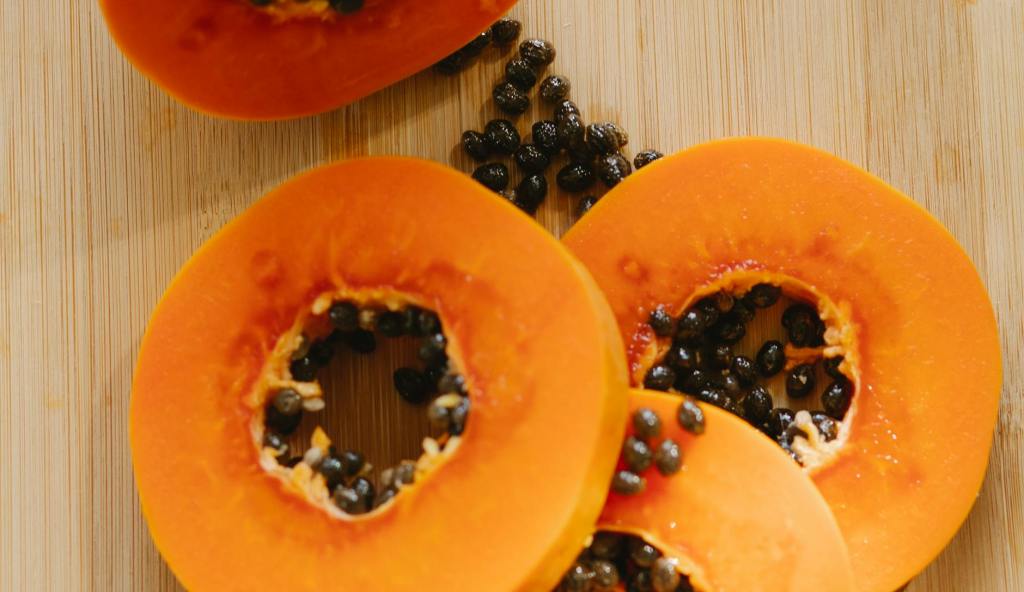
10 Health Benefits of Eating Papayas-Wellspring wellness

Papayas are a delicious tropical fruit that not only tastes great but also offers a wide range of health benefits. From improving digestion to boosting immunity, papayas are a powerhouse of nutrients that can help you stay healthy and vibrant. In this article, we will explore 10 health benefits of eating papayas.

10 Health Benefits of eating papaya

  1. Rich in Vitamin C: Papayas are an excellent source of vitamin C, which is essential for a healthy immune system. Vitamin C helps to boost the production of white blood cells, which are responsible for fighting off infections and diseases.
  2. Digestive Health: Papayas contain an enzyme called papain, which aids in digestion by breaking down proteins in the stomach. This can help to prevent bloating, gas, and other digestive issues.
  3. Anti-inflammatory Properties: Papayas are rich in antioxidants, such as beta-carotene and vitamin C, which help to reduce inflammation in the body. This can help to alleviate symptoms of conditions such as arthritis and asthma.
  4. Heart Health: Papayas are a good source of potassium, which helps to regulate blood pressure and maintain a healthy heart. They also contain fiber, which can help to lower cholesterol levels and reduce the risk of heart disease.
  5. Skin Health: The vitamin C and antioxidants in papayas can help to improve the health and appearance of your skin. They can help to reduce wrinkles, age spots, and other signs of aging, as well as protect against sun damage.
  6. Weight Loss: Papayas are low in calories and high in fiber, making them a great choice for weight loss. The fiber in papayas can help to keep you feeling full and satisfied, reducing the likelihood of overeating.
  7. Eye Health: Papayas are rich in vitamin A, which is essential for good vision. Vitamin A helps to protect the eyes from damage caused by free radicals and can help to prevent conditions such as macular degeneration.
  8. Bone Health: Papayas are a good source of vitamin K, which is important for bone health. Vitamin K helps to regulate calcium levels in the body and can help to prevent osteoporosis and other bone-related conditions.
  9. Cancer Prevention: The antioxidants in papayas can help to protect against cancer by neutralizing free radicals in the body. Free radicals can damage cells and DNA, leading to the development of cancer.
  10. Boosts Immunity: Papayas are packed with vitamins and minerals that can help to boost your immune system. Eating papayas regularly can help to prevent colds, flu, and other illnesses by strengthening your body’s natural defenses.

In conclusion, papayas are a delicious and nutritious fruit that offers a wide range of health benefits. From improving digestion to boosting immunity, papayas can help you stay healthy and vibrant. So next time you’re looking for a healthy snack or dessert, reach for a papaya and enjoy all the amazing benefits it has to offer.

10 Health Benefits of Eating Tamarind – Wellspring Wellness

Tamarind is a tropical fruit that is not only delicious but also packed with health benefits. This tangy fruit is commonly used in cooking and traditional medicine in many parts of the world. Here are 10 health benefits of eating tamarind:

10 Health Benefits of Eating Tamarind

  1. Rich in nutrients: Tamarind is a good source of vitamins and minerals, including vitamin C, vitamin E, potassium, magnesium, and iron. These nutrients are essential for overall health and well-being.
  2. Improves digestion: Tamarind is known for its digestive properties. It contains dietary fiber that helps regulate bowel movements and prevent constipation. Tamarind also contains natural laxatives that can help relieve digestive issues.
  3. Boosts immunity: Tamarind is rich in antioxidants, which help boost the immune system and protect the body from harmful free radicals. Antioxidants also help reduce inflammation and prevent chronic diseases.
  4. Supports heart health: Tamarind is low in cholesterol and saturated fats, making it a heart-healthy food. It also contains potassium, which helps regulate blood pressure and reduce the risk of heart disease.
  5. Aids in weight loss: Tamarind is low in calories and high in fiber, making it a great addition to a weight loss diet. The fiber in tamarind helps you feel full for longer, reducing the urge to overeat.
  6. Improves blood sugar control: Tamarind has been shown to help regulate blood sugar levels in people with diabetes. It contains compounds that help improve insulin sensitivity and reduce blood sugar spikes.
  7. Anti-inflammatory properties: Tamarind contains anti-inflammatory compounds that help reduce inflammation in the body. This can help alleviate symptoms of arthritis, gout, and other inflammatory conditions.
  8. Supports healthy skin: Tamarind is rich in vitamin C, which is essential for collagen production and skin health. It also contains antioxidants that help protect the skin from damage caused by free radicals.
  9. Boosts energy levels: Tamarind is a good source of carbohydrates, which are the body’s primary source of energy. Eating tamarind can help boost energy levels and improve overall stamina.
  10. Improves bone health: Tamarind is rich in calcium and phosphorus, which are essential for strong and healthy bones. These minerals help prevent osteoporosis and other bone-related conditions.

In conclusion, tamarind is a versatile fruit that offers a wide range of health benefits. Whether eaten fresh, dried, or in the form of a paste or juice, tamarind can be a delicious and nutritious addition to your diet. So next time you’re looking for a healthy snack or ingredient, consider adding tamarind to your shopping list.

10 Health Benefits Of lemon -Wellspring wellness

Lemons are a versatile fruit that can be used in a variety of dishes and drinks. Not only do they add a burst of flavor, but they also offer a range of health benefits. From boosting the immune system to aiding in digestion, lemons are a powerhouse of nutrients that can improve overall well-being. In this article, we will explore 10 health benefits of eating lemons.

10 Health Benefits of Eating Lemons

  1. Rich in Vitamin C
    Lemons are a great source of vitamin C, which is essential for a healthy immune system. Vitamin C helps the body produce white blood cells, which are crucial for fighting off infections and illnesses. By incorporating lemons into your diet, you can boost your immune system and reduce the risk of getting sick.
  2. Aids in Digestion
    Lemons contain citric acid, which can help stimulate the production of digestive enzymes in the stomach. This can aid in digestion and prevent bloating and indigestion. Drinking a glass of warm lemon water in the morning can help kickstart your digestive system and promote healthy digestion throughout the day.
  3. Supports Weight Loss
    Lemons are low in calories and high in fiber, making them a great addition to a weight loss diet. The fiber in lemons can help you feel full and satisfied, reducing the likelihood of overeating. Additionally, the citric acid in lemons can help boost metabolism, making it easier to burn calories and lose weight.
  4. Improves Skin Health
    The vitamin C in lemons is essential for collagen production, which is crucial for maintaining healthy skin. Collagen helps keep the skin firm and elastic, reducing the appearance of wrinkles and fine lines. Drinking lemon water regularly can help improve skin health and give you a radiant complexion.
  5. Detoxifies the Body
    Lemons are a natural diuretic, which means they can help flush out toxins and waste from the body. Drinking lemon water can help cleanse the liver and kidneys, promoting overall detoxification. This can help improve overall health and prevent the buildup of harmful substances in the body.
  6. Boosts Heart Health
    Lemons are rich in antioxidants, which can help reduce inflammation and oxidative stress in the body. This can help lower the risk of heart disease and stroke. The potassium in lemons can also help regulate blood pressure and support heart health. Incorporating lemons into your diet can help keep your heart healthy and strong.
  7. Alkalizes the Body
    Despite their acidic taste, lemons have an alkalizing effect on the body. This can help balance the body’s pH levels and reduce acidity, which can lead to inflammation and disease. Drinking lemon water can help alkalize the body and promote overall health and well-being.
  8. Improves Oral Health
    Lemons have antibacterial properties that can help kill bacteria in the mouth and prevent bad breath. The vitamin C in lemons can also help strengthen gums and prevent gum disease. Drinking lemon water can help improve oral health and keep your mouth feeling fresh and clean.
  9. Reduces Inflammation
    Lemons contain antioxidants that can help reduce inflammation in the body. Chronic inflammation is linked to a variety of health conditions, including arthritis, heart disease, and cancer. By incorporating lemons into your diet, you can help reduce inflammation and lower the risk of developing these conditions.
  10. Boosts Energy Levels
    Lemons are a natural energy booster, thanks to their high vitamin C content. Vitamin C helps the body produce energy by converting glucose into usable energy. Drinking lemon water can help increase energy levels and combat fatigue, making it a great pick-me-up throughout the day.

In conclusion, lemons are a superfood that offers a wide range of health benefits. From boosting the immune system to improving skin health, lemons are a versatile fruit that can enhance overall well-being. By incorporating lemons into your diet, you can reap the numerous health benefits and enjoy a healthier, happier life. So next time you reach for a snack, consider grabbing a lemon instead and experience the amazing health benefits it has to offer.

8 Health Benefits of Eating Plantains -Wellspring Wellness

Plantains, often mistaken for bananas, are a staple food in many tropical regions around the world. While they may look similar, plantains are starchier and less sweet than their banana counterparts. They can be enjoyed in various forms—boiled, fried, baked, or grilled—and are a versatile ingredient in numerous dishes. Beyond their culinary appeal, plantains offer a wealth of health benefits that make them a valuable addition to any diet. Here are eight compelling reasons to incorporate plantains into your meals.

8 Health Benefits of Eating Plantains

1. Rich in Nutrients

Plantains are a nutritional powerhouse, packed with essential vitamins and minerals. They are an excellent source of vitamin A, vitamin C, and several B vitamins, including B6 and folate. Vitamin A is crucial for maintaining healthy vision and skin, while vitamin C supports the immune system and promotes collagen production. The B vitamins play a vital role in energy metabolism and brain health.

2. High in Dietary Fiber

One of the standout benefits of plantains is their high fiber content. A single serving of plantains can provide a significant portion of your daily fiber needs. Dietary fiber is essential for digestive health, as it helps regulate bowel movements and prevent constipation. Additionally, a fiber-rich diet can aid in weight management by promoting a feeling of fullness, reducing overall calorie intake.

3. Supports Heart Health

Plantains are low in fat and cholesterol-free, making them a heart-healthy food choice. Their high potassium content helps regulate blood pressure by counteracting the effects of sodium. Potassium is essential for maintaining proper heart function and reducing the risk of cardiovascular diseases. Furthermore, the fiber in plantains can help lower cholesterol levels, further supporting heart health.

4. Provides Sustained Energy

Due to their complex carbohydrate content, plantains are an excellent source of sustained energy. Unlike simple carbohydrates that can lead to quick spikes and crashes in blood sugar levels, the complex carbs in plantains provide a steady release of energy. This makes them an ideal food for athletes and anyone needing a long-lasting energy boost throughout the day.

5. Aids in Digestion

The fiber in plantains not only promotes regular bowel movements but also supports overall digestive health. Fiber acts as a prebiotic, feeding the beneficial bacteria in the gut and promoting a healthy microbiome. A balanced gut microbiome is essential for optimal digestion, nutrient absorption, and immune function. Additionally, the resistant starch found in unripe plantains can help improve gut health by acting as a food source for beneficial gut bacteria.

6. May Help Manage Blood Sugar Levels

Plantains have a lower glycemic index compared to many other carbohydrate sources, meaning they have a more gradual effect on blood sugar levels. This makes them a suitable option for individuals with diabetes or those looking to manage their blood sugar. The fiber content also plays a role in stabilizing blood sugar levels by slowing down the absorption of glucose into the bloodstream.

7. Supports Healthy Skin

The vitamins and antioxidants found in plantains contribute to healthy skin. Vitamin C, in particular, is known for its role in collagen synthesis, which is vital for maintaining skin elasticity and reducing the appearance of wrinkles. Additionally, the antioxidants in plantains help combat oxidative stress, which can lead to premature aging and skin damage.

8. Versatile and Delicious

Beyond their health benefits, plantains are incredibly versatile and can be incorporated into a wide range of dishes. They can be enjoyed as a savory side dish, added to soups and stews, or even used in desserts. Whether you choose to fry them for a crispy snack or mash them for a comforting side, plantains can easily fit into various culinary traditions and preferences.

Conclusion

Incorporating plantains into your diet can provide numerous health benefits, from supporting heart health to aiding digestion and managing blood sugar levels. Their rich nutrient profile, high fiber content, and versatility make them an excellent choice for anyone looking to enhance their overall health. So, the next time you’re at the grocery store or farmer’s market, consider picking up some plantains and experimenting with this nutritious and delicious food. Your body will thank you!

8 Health Benefits of Eating Maize -Wellspring Wellness

Maize, commonly known as corn, is a staple food in many cultures around the world. Its versatility allows it to be consumed in various forms, including fresh corn on the cob, popcorn, cornmeal, and corn syrup. Beyond its culinary uses, maize is packed with essential nutrients and offers numerous health benefits. Here, we explore eight significant health benefits of incorporating maize into your diet.

8 Health Benefits of Eating Maize

1. Rich in Nutrients

Maize is a nutrient-dense food that provides a variety of essential vitamins and minerals. It is an excellent source of B vitamins, particularly thiamine (B1), niacin (B3), and folate (B9). These vitamins play crucial roles in energy metabolism, DNA synthesis, and the maintenance of healthy skin and nerves. Additionally, maize contains important minerals such as magnesium, phosphorus, and potassium, which are vital for bone health, muscle function, and maintaining proper fluid balance in the body.

2. High in Fiber

One of the standout features of maize is its high fiber content. Dietary fiber is essential for digestive health, as it helps regulate bowel movements and prevent constipation. A diet rich in fiber can also promote a healthy gut microbiome, which is linked to improved immune function and reduced inflammation. Furthermore, fiber can aid in weight management by promoting a feeling of fullness, reducing overall calorie intake.

3. Antioxidant Properties

Maize is rich in antioxidants, including carotenoids such as lutein and zeaxanthin. These compounds are known for their ability to combat oxidative stress and reduce the risk of chronic diseases. Lutein and zeaxanthin, in particular, are beneficial for eye health, as they help protect against age-related macular degeneration and cataracts. By incorporating maize into your diet, you can enhance your body’s defense against free radicals and support overall health.

4. Supports Heart Health

The consumption of maize has been linked to improved heart health. The fiber, antioxidants, and healthy fats found in maize can help lower cholesterol levels and reduce the risk of cardiovascular diseases. Additionally, the potassium content in maize helps regulate blood pressure by balancing sodium levels in the body. A diet that includes maize can contribute to a healthier heart and a lower risk of heart-related issues.

5. Gluten-Free Alternative

For individuals with celiac disease or gluten sensitivity, maize serves as an excellent gluten-free alternative to wheat and other gluten-containing grains. Corn-based products, such as cornmeal and polenta, can be used in various recipes, allowing those with gluten intolerance to enjoy a wide range of foods without compromising their health. This makes maize a valuable addition to the diets of those who need to avoid gluten.

6. Energy Boosting

Maize is a great source of carbohydrates, which are the body’s primary source of energy. The complex carbohydrates found in maize provide a steady release of energy, making it an ideal food for athletes and active individuals. Consuming maize can help replenish glycogen stores after exercise, supporting recovery and enhancing performance. Whether enjoyed as a snack or part of a meal, maize can help fuel your day.

7. Aids in Weight Management

Incorporating maize into your diet can be beneficial for weight management. The high fiber content promotes satiety, helping you feel full for longer periods. This can reduce the likelihood of overeating and snacking on unhealthy foods. Additionally, maize is relatively low in calories, making it a smart choice for those looking to maintain or lose weight. By replacing higher-calorie foods with maize, you can create a balanced diet that supports your weight goals.

8. Versatile and Delicious

Beyond its health benefits, maize is incredibly versatile and can be enjoyed in various forms. From sweet corn on the cob to savory corn tortillas, the culinary possibilities are endless. Popcorn, a popular snack, can be a healthy option when prepared without excessive butter or salt. Maize can also be incorporated into salads, soups, and casseroles, making it easy to add this nutritious grain to your meals.

Conclusion

Maize is more than just a delicious food; it is a powerhouse of nutrition that offers numerous health benefits. From supporting heart health to aiding in weight management, the advantages of including maize in your diet are clear. Whether you enjoy it fresh, popped, or ground into flour, maize can be a valuable addition to a balanced diet. So, the next time you sit down for a meal, consider adding this versatile grain to your plate and reap the health benefits it has to offer.

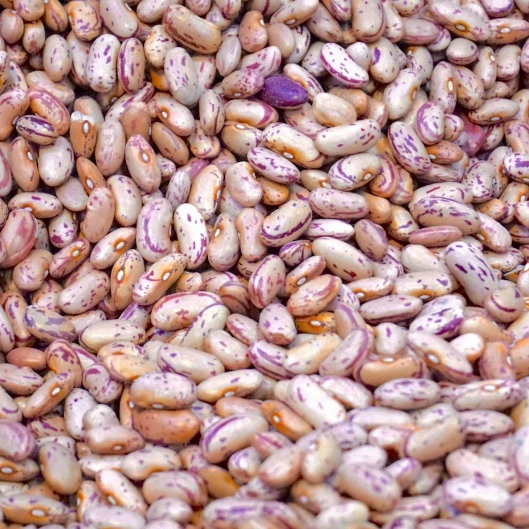
7 Health Benefits of Eating Beans -Wellspring Wellness

Beans are often hailed as a superfood, and for good reason. These small, nutrient-dense legumes are not only versatile and delicious but also packed with health benefits that can significantly enhance your overall well-being. From improving heart health to aiding digestion, here are seven compelling reasons to incorporate beans into your diet.

7 Health Benefits of Eating Beans

1. Rich Source of Protein

One of the most significant benefits of beans is their high protein content. For vegetarians and vegans, beans serve as an excellent alternative to animal protein. A single cup of cooked beans can provide around 15 grams of protein, making them a fantastic option for muscle repair and growth. Additionally, beans contain essential amino acids, which are the building blocks of protein, making them a complete protein source when combined with grains like rice or quinoa.

2. Heart Health

Beans are known for their heart-healthy properties. They are low in saturated fat and cholesterol-free, making them a heart-friendly food choice. The soluble fiber found in beans helps lower cholesterol levels, reducing the risk of heart disease. Moreover, beans are rich in antioxidants, which combat oxidative stress and inflammation, further promoting cardiovascular health. Regular consumption of beans has been linked to lower blood pressure and improved overall heart function.

3. High in Fiber

Fiber is crucial for maintaining a healthy digestive system, and beans are one of the best sources available. A single cup of cooked beans can provide up to 13 grams of dietary fiber, which aids in digestion and helps prevent constipation. Fiber also promotes a feeling of fullness, which can assist in weight management by reducing overall calorie intake. Furthermore, a high-fiber diet has been associated with a lower risk of developing type 2 diabetes and certain types of cancer.

4. Blood Sugar Regulation

Beans have a low glycemic index, meaning they release glucose slowly into the bloodstream. This property makes them an excellent food choice for individuals with diabetes or those looking to manage their blood sugar levels. The fiber content in beans also helps stabilize blood sugar levels by slowing down the absorption of sugar. Regular consumption of beans can lead to improved insulin sensitivity and better overall glycemic control.

5. Nutrient-Dense

Beans are a powerhouse of essential nutrients. They are rich in vitamins and minerals, including iron, magnesium, potassium, and folate. Iron is vital for the production of red blood cells, while magnesium plays a crucial role in muscle and nerve function. Potassium helps regulate blood pressure, and folate is essential for DNA synthesis and repair. Incorporating beans into your diet can help you meet your daily nutrient requirements and support overall health.

6. Weight Management

If you’re looking to maintain or lose weight, beans can be a valuable addition to your diet. Their high fiber and protein content promote satiety, helping you feel full for longer periods. This can reduce the likelihood of overeating and snacking on unhealthy foods. Additionally, beans are low in calories, making them a smart choice for those aiming to create a calorie deficit. By replacing higher-calorie foods with beans, you can enjoy satisfying meals without compromising your weight loss goals.

7. Versatile and Affordable

Beyond their health benefits, beans are incredibly versatile and budget-friendly. They can be incorporated into a wide variety of dishes, from soups and stews to salads and tacos. Dried beans are often more economical than canned varieties, and they can be cooked in large batches for meal prep. With countless bean varieties available, including black beans, kidney beans, chickpeas, and lentils, you can easily find options that suit your taste preferences.

Conclusion

Incorporating beans into your diet can lead to numerous health benefits, from improved heart health to better blood sugar regulation. Their high protein and fiber content, combined with essential nutrients, make them a valuable addition to any meal plan. Whether you enjoy them in a hearty chili, a refreshing salad, or blended into a creamy dip, beans are a delicious and nutritious way to enhance your overall health. So, the next time you’re planning your meals, consider adding a serving of beans to reap their many benefits. Your body will thank you!

7 Health Benefits of Eating Peas -Wellspring Wellness

Peas, often overlooked in the realm of superfoods, are small but mighty legumes that pack a powerful nutritional punch. Whether fresh, frozen, or dried, these vibrant green gems are not only delicious but also offer a plethora of health benefits. Here, we explore seven compelling reasons to incorporate peas into your diet.

7 Health Benefits of Eating Peas

1. Rich in Nutrients

Peas are a nutrient-dense food, providing a wide array of vitamins and minerals essential for overall health. A single cup of cooked green peas contains significant amounts of vitamin K, vitamin C, vitamin A, and several B vitamins, including folate. Additionally, they are a good source of minerals such as iron, magnesium, and phosphorus. This nutrient profile supports various bodily functions, from immune health to energy production.

2. High in Protein

For those seeking plant-based protein sources, peas are an excellent choice. A cup of cooked peas contains about 8 grams of protein, making them a valuable addition to vegetarian and vegan diets. Protein is crucial for muscle repair, immune function, and the production of enzymes and hormones. Including peas in your meals can help you meet your daily protein needs while also providing essential amino acids.

3. Excellent Source of Fiber

Peas are high in dietary fiber, which is vital for digestive health. A cup of cooked peas provides around 8 grams of fiber, promoting regular bowel movements and preventing constipation. Fiber also plays a significant role in maintaining a healthy gut microbiome, which is linked to improved immune function and reduced inflammation. Furthermore, a high-fiber diet can help control blood sugar levels and lower cholesterol, reducing the risk of heart disease.

4. Antioxidant Properties

Peas are rich in antioxidants, including flavonoids, carotenoids, and phenolic acids. These compounds help combat oxidative stress in the body, which can lead to chronic diseases such as cancer and heart disease. Antioxidants neutralize free radicals, reducing inflammation and protecting cells from damage. By incorporating peas into your diet, you can enhance your body’s defense against oxidative stress and promote overall health.

5. Supports Heart Health

The combination of fiber, antioxidants, and anti-inflammatory properties in peas makes them beneficial for heart health. Studies have shown that diets rich in legumes, including peas, can lower blood pressure and cholesterol levels. The potassium content in peas also contributes to heart health by helping to regulate blood pressure. By including peas in your meals, you can support cardiovascular health and reduce the risk of heart-related issues.

6. Aids in Weight Management

Peas can be a valuable ally in weight management due to their high fiber and protein content. Both fiber and protein promote feelings of fullness, reducing overall calorie intake. Incorporating peas into meals can help curb hunger and prevent overeating. Additionally, they are low in calories, making them an excellent choice for those looking to maintain or lose weight without sacrificing nutrition.

7. Supports Healthy Skin

The vitamins and antioxidants found in peas contribute to healthy skin. Vitamin C, in particular, plays a crucial role in collagen production, which is essential for maintaining skin elasticity and reducing the appearance of wrinkles. The anti-inflammatory properties of peas can also help soothe skin conditions and promote a clear complexion. Including peas in your diet can support skin health from the inside out.

Conclusion

Incorporating peas into your diet is a simple and delicious way to enhance your overall health. With their rich nutrient profile, high protein and fiber content, and numerous health benefits, peas deserve a prominent place on your plate. Whether tossed in salads, blended into soups, or served as a side dish, these little legumes can make a big impact on your well-being. So next time you’re planning your meals, don’t forget to add a serving of peas for a nutritious boost!

7 Health Benefits of Eating Beetroot -Wellspring Wellness

Beetroot, often simply referred to as beets, is a vibrant root vegetable that has gained popularity not only for its striking color but also for its impressive health benefits. This nutrient-dense vegetable is packed with vitamins, minerals, and antioxidants, making it a valuable addition to any diet. In this article, we will explore seven health benefits of eating beetroot that can enhance your overall well-being.

7 Health Benefits of Eating Beetroot

1. Rich in Nutrients

Beetroot is a powerhouse of essential nutrients. It is low in calories but high in vitamins and minerals, including vitamin C, vitamin B6, folate, manganese, potassium, and iron. These nutrients play crucial roles in various bodily functions, from supporting the immune system to promoting healthy blood circulation. Incorporating beetroot into your diet can help ensure you meet your daily nutritional needs.

2. Supports Heart Health

One of the most significant benefits of beetroot is its ability to support heart health. Beets are rich in nitrates, which the body converts into nitric oxide. This compound helps relax and dilate blood vessels, improving blood flow and lowering blood pressure. Studies have shown that regular consumption of beetroot juice can lead to significant reductions in blood pressure, making it a heart-friendly food choice. Additionally, the antioxidants in beets help reduce inflammation and oxidative stress, further promoting cardiovascular health.

3. Enhances Athletic Performance

Athletes and fitness enthusiasts often turn to beetroot for its performance-enhancing properties. The nitrates found in beets can improve exercise efficiency by increasing oxygen delivery to muscles. Research has shown that consuming beetroot juice before a workout can enhance endurance, allowing individuals to exercise longer and with greater intensity. This makes beetroot a popular natural supplement among athletes looking to boost their performance.

4. Aids Digestion

Beetroot is an excellent source of dietary fiber, which is essential for maintaining a healthy digestive system. Fiber helps regulate bowel movements, prevents constipation, and promotes a healthy gut microbiome. Additionally, the natural compounds in beets can stimulate the production of digestive enzymes, further aiding in the breakdown and absorption of nutrients. Including beetroot in your meals can contribute to better digestive health and overall well-being.

5. Supports Brain Health

The benefits of beetroot extend to brain health as well. The nitrates in beets can improve blood flow to the brain, which may enhance cognitive function and reduce the risk of neurodegenerative diseases. Some studies suggest that regular consumption of beetroot may improve memory and cognitive performance, particularly in older adults. The antioxidants in beets also help combat oxidative stress, which is linked to cognitive decline.

6. Promotes Healthy Skin

Beetroot is not only beneficial for internal health but also for skin health. The antioxidants and vitamins found in beets can help improve skin tone and texture. Vitamin C, in particular, is known for its role in collagen production, which is essential for maintaining skin elasticity and reducing the appearance of wrinkles. Additionally, the anti-inflammatory properties of beetroot can help soothe skin irritations and promote a healthy complexion. Incorporating beetroot into your diet or using beetroot-infused skincare products can contribute to radiant skin.

7. May Help Prevent Cancer

Emerging research suggests that beetroot may have cancer-fighting properties. The betalains, a type of antioxidant found in beets, have been shown to possess anti-inflammatory and anti-cancer effects. Some studies indicate that beetroot extract may inhibit the growth of certain cancer cells, including those associated with colon and breast cancer. While more research is needed to fully understand the extent of beetroot’s anti-cancer properties, its rich antioxidant content makes it a valuable addition to a cancer-preventive diet.

Conclusion

Incorporating beetroot into your diet can provide a wide range of health benefits, from supporting heart health to enhancing athletic performance and promoting healthy skin. Whether you enjoy it raw in salads, roasted as a side dish, or blended into smoothies, beetroot is a versatile and nutritious vegetable that can easily fit into your meals. As with any food, moderation is key, and it’s always a good idea to consult with a healthcare professional before making significant changes to your diet. So, why not add a splash of color and a boost of health to your plate with this remarkable root vegetable?

Design a site like this with WordPress.com
Get started