7 Health Benefits of Eating Parsley -Wellspring Wellness

Parsley, a common herb found in kitchens around the world, is often overlooked as merely a garnish. However, this vibrant green herb is packed with nutrients and offers a plethora of health benefits. In this article, we will explore seven significant health benefits of eating parsley, supported by scientific research and nutritional insights.

7 Health Benefits of Eating Parsley

1. Rich in Nutrients

Parsley is a nutrient-dense herb, meaning it provides a high amount of vitamins and minerals relative to its calorie content. A 100-gram serving of fresh parsley contains:

  • Vitamin K: 1640% of the Daily Value (DV)
  • Vitamin C: 97% of the DV
  • Vitamin A: 168% of the DV
  • Folate: 52% of the DV
  • Iron: 21% of the DV
  • Calcium: 18% of the DV

These nutrients play crucial roles in various bodily functions, including blood clotting, immune function, and bone health. Incorporating parsley into your diet can help ensure you meet your daily nutritional needs.

2. Antioxidant Properties

Parsley is rich in antioxidants, which are compounds that help neutralize harmful free radicals in the body. Free radicals can cause oxidative stress, leading to chronic diseases such as cancer, heart disease, and diabetes. The primary antioxidants found in parsley include:

  • Flavonoids: Such as luteolin and apigenin, which have been shown to reduce inflammation and protect against certain cancers.
  • Vitamin C: A well-known antioxidant that supports the immune system and skin health.
  • Carotenoids: Such as beta-carotene, which can be converted into vitamin A in the body and is essential for vision and skin health.

By consuming parsley regularly, you can boost your antioxidant intake and help protect your body from oxidative damage.

3. Supports Digestive Health

Parsley has been traditionally used to aid digestion. It contains compounds that can stimulate the production of digestive enzymes, promoting better digestion and nutrient absorption. Additionally, parsley is a good source of fiber, which is essential for maintaining a healthy digestive system. Fiber helps regulate bowel movements, prevents constipation, and supports a healthy gut microbiome.

Moreover, parsley has been shown to have carminative properties, which means it can help reduce gas and bloating. Including parsley in your meals can enhance your digestive health and overall well-being.

4. Anti-Inflammatory Effects

Chronic inflammation is linked to various health issues, including arthritis, heart disease, and certain cancers. Parsley contains several anti-inflammatory compounds, such as flavonoids and essential oils, that can help reduce inflammation in the body.

Research has shown that the antioxidants in parsley can inhibit the production of pro-inflammatory cytokines, which are signaling molecules that promote inflammation. By incorporating parsley into your diet, you may help lower your risk of developing inflammation-related diseases.

5. Supports Bone Health

Vitamin K is essential for bone health, and parsley is one of the richest sources of this vital nutrient. Vitamin K plays a crucial role in calcium metabolism and bone mineralization, helping to maintain bone density and strength.

Studies have shown that adequate vitamin K intake is associated with a lower risk of fractures and osteoporosis. By adding parsley to your meals, you can boost your vitamin K levels and support your bone health.

6. May Help Regulate Blood Sugar Levels

Emerging research suggests that parsley may have a positive effect on blood sugar regulation. Some studies have indicated that the compounds found in parsley, such as flavonoids and essential oils, may help improve insulin sensitivity and lower blood sugar levels.

Additionally, the fiber content in parsley can help slow down the absorption of sugar in the bloodstream, preventing spikes in blood sugar levels. For individuals with diabetes or those at risk of developing the condition, incorporating parsley into their diet may be beneficial.

7. Promotes Heart Health

Parsley is heart-healthy due to its high levels of antioxidants, vitamins, and minerals. The flavonoids in parsley, particularly apigenin, have been shown to have cardioprotective effects by reducing inflammation and oxidative stress in the cardiovascular system.

Moreover, parsley contains folate, which is essential for maintaining healthy homocysteine levels. Elevated homocysteine levels are associated with an increased risk of heart disease. By including parsley in your diet, you can support your heart health and reduce the risk of cardiovascular issues.

Conclusion

Parsley is more than just a garnish; it is a powerhouse of nutrients and health benefits. From its rich nutrient profile to its antioxidant, anti-inflammatory, and digestive health properties, parsley can play a significant role in promoting overall health and well-being.

Incorporating parsley into your meals is easy and versatile. You can add it to salads, soups, sauces, and smoothies, or use it as a seasoning for various dishes. By making parsley a regular part of your diet, you can enjoy its numerous health benefits and enhance your culinary creations.

In summary, the seven health benefits of eating parsley include:

  1. Rich in Nutrients: Packed with vitamins and minerals essential for overall health.
  2. Antioxidant Properties: Helps combat oxidative stress and reduce the risk of chronic diseases.
  3. Supports Digestive Health: Aids digestion and promotes a healthy gut.
  4. Anti-Inflammatory Effects: Reduces inflammation and lowers the risk of related diseases.
  5. Supports Bone Health: High in vitamin K, essential for maintaining strong bones.
  6. May Help Regulate Blood Sugar Levels: Improves insulin sensitivity and stabilizes blood sugar.
  7. Promotes Heart Health: Supports cardiovascular health and reduces the risk of heart disease.

Incorporate this vibrant herb into your diet today and reap the many health benefits it has to offer!
10 Health Benefits of Eating Fenugreek Seeds -Wellspring Wellness

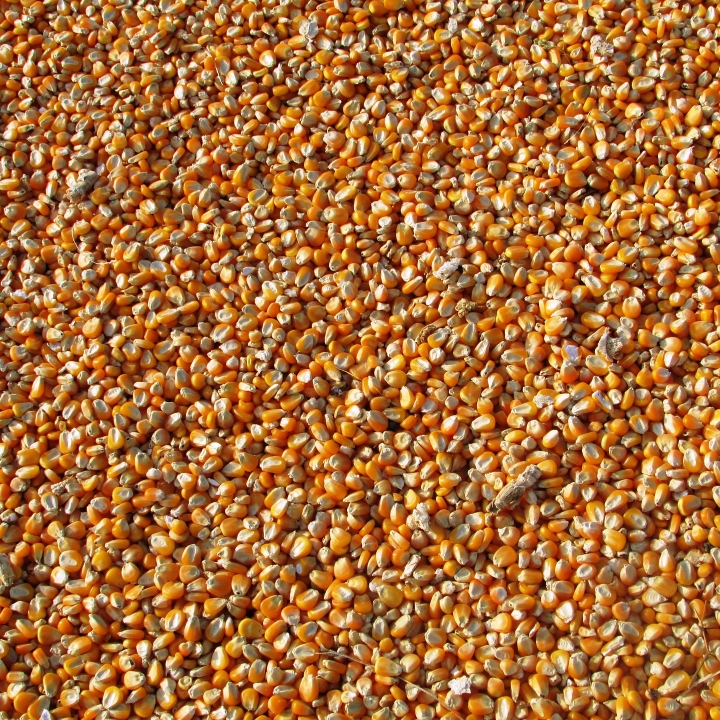
Fenugreek seeds, derived from the Trigonella foenum-graecum plant, have been used for centuries in traditional medicine and culinary practices. Known for their distinctive flavor and aroma, these tiny seeds pack a powerful punch when it comes to health benefits. In this article, we will explore ten significant health benefits of incorporating fenugreek seeds into your diet, supported by scientific research and traditional wisdom.

10 Health Benefits of Eating Fenugreek Seeds

1. Rich in Nutrients

Fenugreek seeds are a nutritional powerhouse. They are rich in vitamins and minerals, including:

  • Vitamins: Fenugreek seeds contain vitamins A, B, C, and K, which are essential for various bodily functions.
  • Minerals: They are a good source of iron, magnesium, manganese, phosphorus, and potassium.
  • Fiber: High in dietary fiber, fenugreek seeds can aid in digestion and promote gut health.

Incorporating fenugreek seeds into your diet can help ensure you receive a broad spectrum of essential nutrients.

2. Aids Digestion

One of the most well-known benefits of fenugreek seeds is their ability to aid digestion. The high fiber content in these seeds helps to:

  • Prevent Constipation: Fenugreek seeds can help regulate bowel movements and prevent constipation by adding bulk to the stool.
  • Reduce Gastric Issues: They may alleviate symptoms of indigestion, bloating, and gas, making them a natural remedy for digestive discomfort.

To harness these benefits, consider soaking fenugreek seeds overnight and consuming them in the morning.

3. Supports Blood Sugar Control

Fenugreek seeds have been shown to have a positive impact on blood sugar levels, making them particularly beneficial for individuals with diabetes. Research indicates that:

  • Insulin Sensitivity: Fenugreek seeds can improve insulin sensitivity, helping the body utilize glucose more effectively.
  • Lower Blood Sugar Levels: Studies have demonstrated that fenugreek can lower fasting blood sugar levels and improve overall glycemic control.

Incorporating fenugreek seeds into meals may help manage blood sugar levels and reduce the risk of diabetes-related complications.

4. Promotes Heart Health

Heart disease is a leading cause of death worldwide, and fenugreek seeds may play a role in promoting cardiovascular health. The seeds contain:

  • Soluble Fiber: This type of fiber can help lower cholesterol levels, reducing the risk of heart disease.
  • Antioxidants: Fenugreek seeds are rich in antioxidants, which can combat oxidative stress and inflammation, both of which are risk factors for heart disease.

Regular consumption of fenugreek seeds may contribute to a healthier heart and improved overall cardiovascular function.

5. Enhances Lactation

For breastfeeding mothers, fenugreek seeds are often recommended as a galactagogue, a substance that promotes milk production. Research suggests that:

  • Increased Milk Supply: Fenugreek seeds can help increase breast milk production, making them a popular choice among nursing mothers.
  • Nutritional Benefits for Infants: The nutrients in fenugreek can also benefit infants through breast milk, providing essential vitamins and minerals.

If you are a nursing mother, consider incorporating fenugreek seeds into your diet to support lactation.

6. Aids Weight Management

Fenugreek seeds may also assist in weight management efforts. Their high fiber content can help you feel fuller for longer, reducing overall calorie intake. Additionally:

  • Metabolism Boost: Some studies suggest that fenugreek may help boost metabolism, aiding in weight loss.
  • Fat Reduction: Fenugreek seeds may help reduce body fat and improve body composition when combined with a healthy diet and exercise.

Incorporating fenugreek seeds into your meals can be a helpful strategy for those looking to manage their weight.

7. Anti-Inflammatory Properties

Chronic inflammation is linked to various health issues, including heart disease, diabetes, and cancer. Fenugreek seeds possess anti-inflammatory properties that can help:

  • Reduce Inflammation: The antioxidants and phytochemicals in fenugreek seeds can help reduce inflammation in the body.
  • Support Joint Health: Fenugreek may alleviate symptoms of arthritis and other inflammatory conditions.

Adding fenugreek seeds to your diet may help combat inflammation and promote overall health.

8. Improves Skin Health

Fenugreek seeds have been used in traditional beauty remedies for their skin benefits. They can help:

  • Treat Acne: The antibacterial properties of fenugreek seeds can help reduce acne and prevent breakouts.
  • Moisturize Skin: Fenugreek can be used in face masks to hydrate and nourish the skin.

Incorporating fenugreek seeds into your skincare routine can lead to healthier, more radiant skin.

9. Supports Hair Health

Fenugreek seeds are also beneficial for hair health. They can help:

  • Promote Hair Growth: The nutrients in fenugreek seeds can strengthen hair follicles and promote hair growth.
  • Reduce Dandruff: Fenugreek has antifungal properties that can help combat dandruff and scalp issues.

Using fenugreek seeds in hair masks or consuming them regularly can contribute to healthier hair.

10. May Help with Hormonal Balance

Fenugreek seeds have been traditionally used to support hormonal balance, particularly in women. They may help:

  • Alleviate Menstrual Discomfort: Fenugreek can help reduce menstrual cramps and discomfort.
  • Support Menopause Symptoms: Some studies suggest that fenugreek may help alleviate symptoms of menopause, such as hot flashes and mood swings.

Incorporating fenugreek seeds into your diet may provide relief from hormonal imbalances and related symptoms.

Conclusion

Fenugreek seeds are a versatile and nutritious addition to any diet. With their numerous health benefits, including improved digestion, blood sugar control, heart health, and more, these tiny seeds can have a significant impact on overall well-being. Whether you choose to consume them whole, ground, or as a supplement, incorporating fenugreek seeds into your daily routine can lead to a healthier lifestyle.

As with any dietary change, it’s essential to consult with a healthcare professional, especially if you have underlying health conditions or are pregnant or breastfeeding. By embracing the power of fenugreek seeds, you can take a proactive step toward better health and wellness.

10 Health Benefits of Eating Ginger -Wellspring Wellness

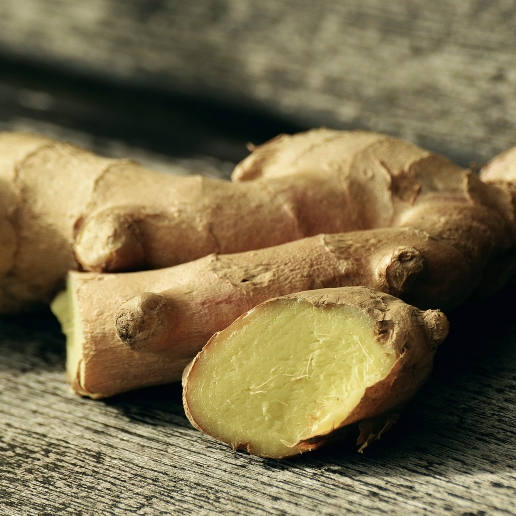
Ginger, a popular spice known for its distinctive flavor and aroma, has been used for centuries in traditional medicine and culinary practices. This rhizome, native to Southeast Asia, is not only a staple in many kitchens but also a powerhouse of health benefits. In this article, we will explore ten remarkable health benefits of eating ginger, supported by scientific research and traditional wisdom.

10 Health Benefits of Eating Ginger

1. Anti-Inflammatory Properties

One of the most well-known benefits of ginger is its potent anti-inflammatory properties. Ginger contains bioactive compounds, such as gingerol, which have been shown to reduce inflammation in the body. Chronic inflammation is linked to various health issues, including heart disease, diabetes, and cancer. Regular consumption of ginger may help alleviate symptoms of inflammatory conditions like arthritis and muscle pain.

2. Digestive Aid

Ginger has long been used as a remedy for digestive issues. It can help stimulate saliva, bile, and gastric enzymes, promoting better digestion. Studies have shown that ginger can effectively reduce nausea and vomiting, particularly in pregnant women and those undergoing chemotherapy. Additionally, ginger may help alleviate bloating and gas, making it a valuable addition to meals.

3. Immune System Support

Ginger is rich in antioxidants, which play a crucial role in supporting the immune system. Antioxidants help combat oxidative stress and free radicals in the body, reducing the risk of chronic diseases. Regular consumption of ginger may enhance the body’s ability to fight off infections and illnesses, making it a great addition to your diet, especially during cold and flu season.

4. Pain Relief

Ginger has been recognized for its analgesic properties, making it an effective natural remedy for pain relief. Research suggests that ginger can help reduce muscle soreness and menstrual pain. A study published in the “Journal of Pain” found that participants who consumed ginger experienced less pain after exercise compared to those who did not. Incorporating ginger into your diet may provide a natural alternative to over-the-counter pain medications.

5. Blood Sugar Regulation

Emerging research indicates that ginger may play a role in regulating blood sugar levels. Some studies have shown that ginger can improve insulin sensitivity and lower fasting blood sugar levels. This is particularly beneficial for individuals with type 2 diabetes or those at risk of developing the condition. Including ginger in your diet may help maintain stable blood sugar levels and reduce the risk of complications associated with diabetes.

6. Heart Health

Ginger may contribute to heart health by lowering cholesterol levels and improving circulation. Some studies suggest that ginger can help reduce LDL (bad) cholesterol and triglycerides while increasing HDL (good) cholesterol. Additionally, ginger’s anti-inflammatory properties may help reduce the risk of heart disease by preventing the buildup of plaque in the arteries. Incorporating ginger into your diet can be a heart-healthy choice.

7. Weight Management

For those looking to manage their weight, ginger may be a helpful ally. Some research indicates that ginger can boost metabolism and promote fat burning. It may also help reduce feelings of hunger, leading to lower calorie intake. By incorporating ginger into meals or beverages, individuals may find it easier to maintain a healthy weight and support their weight loss goals.

8. Improved Brain Function

The anti-inflammatory and antioxidant properties of ginger extend to brain health as well. Some studies suggest that ginger may help protect against age-related cognitive decline and improve memory and attention. The bioactive compounds in ginger may reduce oxidative stress and inflammation in the brain, potentially lowering the risk of neurodegenerative diseases such as Alzheimer’s and Parkinson’s.

9. Menstrual Pain Relief

Many women experience discomfort during their menstrual cycles, and ginger may offer a natural solution. Research has shown that ginger can be as effective as non-steroidal anti-inflammatory drugs (NSAIDs) in reducing menstrual pain. Consuming ginger tea or supplements during menstruation may help alleviate cramps and discomfort, providing a natural alternative to traditional pain relief methods.

10. Respiratory Health

Ginger has been traditionally used to alleviate respiratory issues, and modern research supports its effectiveness. The anti-inflammatory properties of ginger can help soothe the airways and reduce symptoms of respiratory conditions such as asthma and bronchitis. Additionally, ginger may help break down mucus, making it easier to expel and providing relief from congestion. Incorporating ginger into your diet, especially during cold and flu season, may support respiratory health.

Conclusion

Incorporating ginger into your diet can offer a wide range of health benefits, from reducing inflammation and aiding digestion to supporting heart health and improving brain function. Whether enjoyed in teas, smoothies, or as a spice in cooking, ginger is a versatile and flavorful addition to any meal. As with any dietary change, it’s essential to consult with a healthcare professional, especially if you have underlying health conditions or are taking medications. Embrace the power of ginger and enjoy its numerous health benefits for a healthier, more vibrant life.

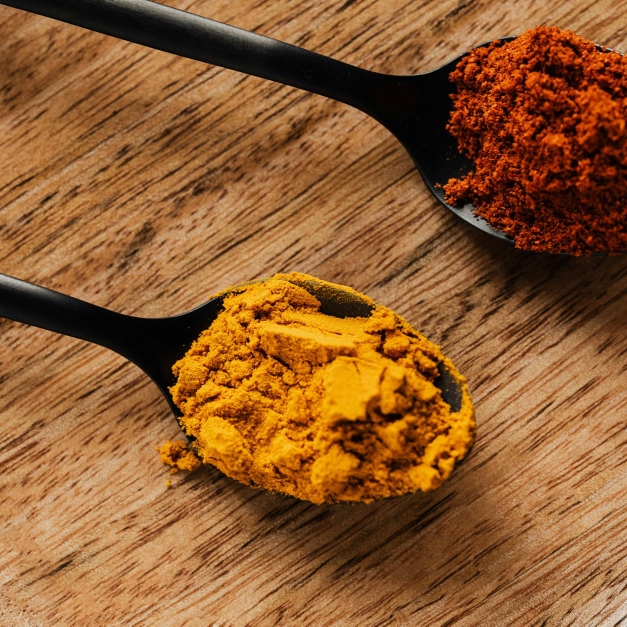
10 Health Benefits of Eating Turmeric -Wellspring Wellness

Turmeric, a vibrant yellow spice derived from the root of the Curcuma longa plant, has been a staple in traditional medicine and culinary practices for centuries. Known for its distinctive flavor and color, turmeric is not just a culinary delight; it is also a powerhouse of health benefits. The active compound in turmeric, curcumin, is responsible for many of its health-promoting properties. In this article, we will explore ten significant health benefits of incorporating turmeric into your diet.

10 Health Benefits of Eating Turmeric

1. Anti-Inflammatory Properties

One of the most well-known benefits of turmeric is its potent anti-inflammatory properties. Chronic inflammation is linked to various health issues, including heart disease, cancer, and neurodegenerative conditions. Curcumin has been shown to inhibit several molecules that play a role in inflammation, making turmeric an excellent natural remedy for reducing inflammation in the body.

2. Antioxidant Effects

Turmeric is rich in antioxidants, which help combat oxidative stress and free radicals in the body. Oxidative stress can lead to cellular damage and is associated with aging and various diseases. Curcumin enhances the body’s antioxidant enzymes, providing a dual action of neutralizing free radicals and boosting the body’s own antioxidant defenses.

3. Improved Brain Function

Curcumin may also play a role in enhancing brain function. It has been found to increase levels of brain-derived neurotrophic factor (BDNF), a protein linked to improved cognitive function and a lower risk of neurodegenerative diseases like Alzheimer’s. By promoting the growth of new neurons and supporting overall brain health, turmeric can be a valuable addition to a brain-healthy diet.

4. Heart Health

Incorporating turmeric into your diet may benefit heart health. Curcumin has been shown to improve the function of the endothelium, the lining of blood vessels, which is crucial for regulating blood pressure and preventing heart disease. Additionally, its anti-inflammatory and antioxidant properties contribute to overall cardiovascular health, reducing the risk of heart-related issues.

5. Joint Health

Turmeric is often recommended for individuals suffering from joint pain and arthritis. Its anti-inflammatory properties can help alleviate pain and stiffness associated with conditions like osteoarthritis and rheumatoid arthritis. Regular consumption of turmeric may lead to improved joint function and a reduction in discomfort, making it a natural alternative to over-the-counter pain relievers.

6. Digestive Health

Turmeric has been used in traditional medicine to support digestive health. It can stimulate bile production, which aids in the digestion of fats. Additionally, its anti-inflammatory properties may help soothe the digestive tract, making it beneficial for individuals with conditions like irritable bowel syndrome (IBS) or inflammatory bowel disease (IBD). Including turmeric in your meals can promote a healthy gut and improve overall digestion.

7. Immune System Support

A strong immune system is essential for overall health, and turmeric can help bolster your body’s defenses. Curcumin has been shown to enhance the immune response by modulating immune cell activity. Its anti-inflammatory and antioxidant properties also contribute to a healthier immune system, making turmeric a valuable addition to your diet, especially during cold and flu season.

8. Mood Enhancement

Emerging research suggests that turmeric may have mood-enhancing properties. Curcumin has been linked to increased levels of serotonin and dopamine, neurotransmitters that play a crucial role in regulating mood. Some studies have indicated that curcumin may be effective in reducing symptoms of depression and anxiety, making it a natural option for those seeking to improve their mental well-being.

9. Weight Management

Turmeric may also aid in weight management. Some studies suggest that curcumin can help regulate fat metabolism and reduce the formation of fat tissue. Its anti-inflammatory properties may also play a role in preventing obesity-related complications. Incorporating turmeric into a balanced diet, along with regular exercise, can support weight loss efforts and promote a healthy lifestyle.

10. Skin Health

The benefits of turmeric extend to skin health as well. Its anti-inflammatory and antioxidant properties can help improve various skin conditions, including acne, eczema, and psoriasis. Turmeric can also promote a natural glow and even skin tone. Many skincare products now include turmeric as a key ingredient, but you can also enjoy its benefits by adding it to your diet or using it in homemade face masks.

How to Incorporate Turmeric into Your Diet

Adding turmeric to your diet is easy and versatile. Here are some simple ways to enjoy this golden spice:

  • Golden Milk: Combine turmeric with milk (dairy or plant-based), a pinch of black pepper, and honey for a soothing drink.
  • Smoothies: Add a teaspoon of turmeric powder to your favorite smoothie for an extra health boost.
  • Curries and Soups: Use turmeric in your cooking, especially in curries, soups, and stews, to enhance flavor and nutrition.
  • Salad Dressings: Whisk turmeric into your homemade salad dressings for a vibrant color and added health benefits.
  • Turmeric Tea: Brew turmeric tea by steeping fresh turmeric root or turmeric powder in hot water, adding lemon and honey for flavor.

Conclusion

Turmeric is more than just a spice; it is a powerful ally for your health. With its numerous benefits, including anti-inflammatory, antioxidant, and mood-enhancing properties, incorporating turmeric into your diet can lead to significant improvements in overall well-being. Whether you enjoy it in your meals or as a supplement, the golden spice is a simple yet effective way to support your health naturally. As always, consult with a healthcare professional before making significant changes to your diet, especially if you have underlying health conditions or are taking medications. Embrace the power of turmeric and enjoy its myriad health benefits!

10 Health Benefits of Eating Mashrooms -Wellspring Wellness

Mushrooms are not just a delicious addition to various dishes; they are also packed with numerous health benefits that can enhance your overall well-being. These fungi come in various shapes, sizes, and flavors, making them a versatile ingredient in many cuisines around the world. In this article, we will explore ten significant health benefits of incorporating mushrooms into your diet.

10 Health Benefits of Eating Mushrooms

1. Nutrient-Rich Profile

Mushrooms are low in calories but high in essential nutrients. They are an excellent source of vitamins and minerals, including B vitamins (such as riboflavin, niacin, and pantothenic acid), selenium, potassium, and copper. These nutrients play vital roles in energy production, immune function, and maintaining healthy skin and hair.

2. Immune System Support

Mushrooms contain beta-glucans, a type of soluble dietary fiber that has been shown to enhance the immune system. These compounds stimulate the activity of immune cells, helping the body to fend off infections and diseases. Regular consumption of mushrooms can lead to a more robust immune response, making it easier to combat illnesses.

3. Antioxidant Properties

Mushrooms are rich in antioxidants, which help neutralize harmful free radicals in the body. Free radicals can cause oxidative stress, leading to chronic diseases such as cancer and heart disease. The antioxidants found in mushrooms, including ergothioneine and glutathione, can help protect cells from damage and promote overall health.

4. Heart Health

Certain types of mushrooms, such as shiitake and oyster mushrooms, have been linked to improved heart health. They contain compounds that can help lower cholesterol levels and reduce blood pressure. Additionally, the potassium found in mushrooms can help regulate blood pressure, further supporting cardiovascular health.

5. Weight Management

Mushrooms are low in calories and high in fiber, making them an excellent food choice for those looking to manage their weight. The fiber content helps promote a feeling of fullness, reducing the likelihood of overeating. Incorporating mushrooms into meals can add volume and flavor without significantly increasing calorie intake.

6. Bone Health

Mushrooms are one of the few non-animal sources of vitamin D, especially when exposed to sunlight during growth. Vitamin D is crucial for calcium absorption and bone health. Consuming mushrooms can help maintain strong bones and reduce the risk of osteoporosis, particularly in individuals who may not get enough sunlight or dietary vitamin D.

7. Blood Sugar Regulation

Some studies suggest that mushrooms may help regulate blood sugar levels. The fiber and protein content in mushrooms can slow down the absorption of sugar in the bloodstream, preventing spikes in blood glucose levels. This makes mushrooms a suitable food choice for individuals with diabetes or those looking to maintain stable energy levels throughout the day.

8. Anti-Inflammatory Effects

Chronic inflammation is linked to various health issues, including heart disease, diabetes, and cancer. Mushrooms contain anti-inflammatory compounds that can help reduce inflammation in the body. Regular consumption of mushrooms may contribute to lower levels of inflammatory markers, promoting better overall health.

9. Enhanced Brain Function

Certain types of mushrooms, such as lion’s mane, have been studied for their potential neuroprotective effects. They contain compounds that may stimulate the production of nerve growth factor (NGF), which is essential for the growth and maintenance of neurons. This could lead to improved cognitive function and a reduced risk of neurodegenerative diseases like Alzheimer’s.

10. Gut Health

Mushrooms are a good source of prebiotics, which are non-digestible fibers that promote the growth of beneficial gut bacteria. A healthy gut microbiome is essential for digestion, nutrient absorption, and overall health. By incorporating mushrooms into your diet, you can support gut health and improve digestive function.

Conclusion

Incorporating mushrooms into your diet can provide a wide array of health benefits, from boosting your immune system to supporting heart health and enhancing brain function. With their rich nutrient profile and versatility in cooking, mushrooms can easily be added to salads, soups, stir-fries, and more. Whether you prefer button, shiitake, portobello, or any other variety, these fungi are a powerhouse of nutrition that can contribute to a healthier lifestyle. So, the next time you’re planning a meal, consider adding mushrooms to your plate for a delicious and healthful boost!

10 Health Benefits of Eating Tomatoes -Wellspring Wellness

Peppers, whether sweet or spicy, are a vibrant addition to any meal. They come in various colors, shapes, and sizes, each offering unique flavors and health benefits. From bell peppers to jalapeños, these colorful vegetables are not just a feast for the eyes but also a powerhouse of nutrition. Here are ten health benefits of incorporating peppers into your diet.

10 Health Benefits of Eating Peppers

1. Rich in Nutrients

Peppers are low in calories but high in essential nutrients. They are an excellent source of vitamins A, C, and E, as well as several B vitamins, including B6 and folate. A single medium-sized bell pepper can provide more than 150% of the daily recommended intake of vitamin C, which is crucial for immune function, skin health, and collagen production.

2. Antioxidant Properties

Peppers are packed with antioxidants, including carotenoids and flavonoids. These compounds help combat oxidative stress in the body, reducing the risk of chronic diseases such as heart disease and cancer. The vibrant colors of peppers indicate the presence of these beneficial antioxidants, with red peppers containing the highest levels.

3. Supports Eye Health

The carotenoids found in peppers, particularly lutein and zeaxanthin, are known to promote eye health. These compounds help filter harmful blue light and protect the retina from damage. Regular consumption of peppers can contribute to a lower risk of age-related macular degeneration and cataracts, ensuring that your vision remains sharp as you age.

4. Aids in Weight Management

Peppers are low in calories and high in fiber, making them an excellent choice for those looking to manage their weight. The fiber content promotes a feeling of fullness, reducing overall calorie intake. Additionally, the capsaicin found in hot peppers can boost metabolism and increase fat burning, further aiding in weight loss efforts.

5. Enhances Digestive Health

The fiber in peppers not only helps with weight management but also supports digestive health. A diet rich in fiber promotes regular bowel movements and prevents constipation. Furthermore, the antioxidants in peppers can help reduce inflammation in the gut, contributing to a healthier digestive system overall.

6. Boosts Immune Function

The high vitamin C content in peppers plays a significant role in boosting the immune system. Vitamin C is known for its ability to enhance the production of white blood cells, which are essential for fighting off infections. Regularly consuming peppers can help strengthen your immune defenses, making you less susceptible to colds and other illnesses.

7. Promotes Heart Health

Peppers can contribute to heart health in several ways. The antioxidants and anti-inflammatory compounds found in peppers help reduce the risk of cardiovascular diseases. Additionally, the potassium content in peppers can help regulate blood pressure, while the fiber aids in lowering cholesterol levels. Incorporating peppers into your diet can be a delicious way to support a healthy heart.

8. Improves Skin Health

The vitamins and antioxidants in peppers can have a positive impact on skin health. Vitamin C is essential for collagen production, which helps maintain skin elasticity and firmness. The antioxidants in peppers also help protect the skin from damage caused by UV rays and pollution, reducing the signs of aging and promoting a healthy complexion.

9. May Reduce Cancer Risk

Several studies suggest that the consumption of peppers may be linked to a reduced risk of certain types of cancer. The antioxidants and anti-inflammatory properties of peppers can help protect cells from damage and inhibit the growth of cancerous cells. While more research is needed, including peppers in a balanced diet may contribute to cancer prevention.

10. Versatile and Delicious

One of the best things about peppers is their versatility. They can be enjoyed raw in salads, roasted, grilled, or stuffed. Their unique flavors can enhance a wide variety of dishes, from stir-fries to salsas. This makes it easy to incorporate peppers into your meals, ensuring you reap their numerous health benefits without sacrificing taste.

Conclusion

Incorporating peppers into your diet is a simple and delicious way to boost your overall health. With their rich nutrient profile, antioxidant properties, and numerous health benefits, peppers are a must-have in any healthy eating plan. Whether you prefer the sweetness of bell peppers or the heat of chili peppers, there are countless ways to enjoy these vibrant vegetables. So, the next time you’re planning a meal, don’t forget to add a splash of color with peppers and take advantage of their incredible health benefits.

10 Health Benefits of Eating Peppers -Wellspring Wellness

Peppers, whether sweet or spicy, are a vibrant addition to any meal. They come in various colors, shapes, and sizes, each offering unique flavors and health benefits. From bell peppers to jalapeños, these colorful vegetables are not just a feast for the eyes but also a powerhouse of nutrition. Here are ten health benefits of incorporating peppers into your diet.

10 Health Benefits of Eating Peppers

1. Rich in Nutrients

Peppers are low in calories but high in essential nutrients. They are an excellent source of vitamins A, C, and E, as well as several B vitamins, including B6 and folate. A single medium-sized bell pepper can provide more than 150% of the daily recommended intake of vitamin C, which is crucial for immune function, skin health, and collagen production.

2. Antioxidant Properties

Peppers are packed with antioxidants, including carotenoids and flavonoids. These compounds help combat oxidative stress in the body, reducing the risk of chronic diseases such as heart disease and cancer. The vibrant colors of peppers indicate the presence of these beneficial antioxidants, with red peppers containing the highest levels.

3. Supports Eye Health

The carotenoids found in peppers, particularly lutein and zeaxanthin, are known to promote eye health. These compounds help filter harmful blue light and protect the retina from damage. Regular consumption of peppers can contribute to a lower risk of age-related macular degeneration and cataracts, ensuring that your vision remains sharp as you age.

4. Aids in Weight Management

Peppers are low in calories and high in fiber, making them an excellent choice for those looking to manage their weight. The fiber content promotes a feeling of fullness, reducing overall calorie intake. Additionally, the capsaicin found in hot peppers can boost metabolism and increase fat burning, further aiding in weight loss efforts.

5. Enhances Digestive Health

The fiber in peppers not only helps with weight management but also supports digestive health. A diet rich in fiber promotes regular bowel movements and prevents constipation. Furthermore, the antioxidants in peppers can help reduce inflammation in the gut, contributing to a healthier digestive system overall.

6. Boosts Immune Function

The high vitamin C content in peppers plays a significant role in boosting the immune system. Vitamin C is known for its ability to enhance the production of white blood cells, which are essential for fighting off infections. Regularly consuming peppers can help strengthen your immune defenses, making you less susceptible to colds and other illnesses.

7. Promotes Heart Health

Peppers can contribute to heart health in several ways. The antioxidants and anti-inflammatory compounds found in peppers help reduce the risk of cardiovascular diseases. Additionally, the potassium content in peppers can help regulate blood pressure, while the fiber aids in lowering cholesterol levels. Incorporating peppers into your diet can be a delicious way to support a healthy heart.

8. Improves Skin Health

The vitamins and antioxidants in peppers can have a positive impact on skin health. Vitamin C is essential for collagen production, which helps maintain skin elasticity and firmness. The antioxidants in peppers also help protect the skin from damage caused by UV rays and pollution, reducing the signs of aging and promoting a healthy complexion.

9. May Reduce Cancer Risk

Several studies suggest that the consumption of peppers may be linked to a reduced risk of certain types of cancer. The antioxidants and anti-inflammatory properties of peppers can help protect cells from damage and inhibit the growth of cancerous cells. While more research is needed, including peppers in a balanced diet may contribute to cancer prevention.

10. Versatile and Delicious

One of the best things about peppers is their versatility. They can be enjoyed raw in salads, roasted, grilled, or stuffed. Their unique flavors can enhance a wide variety of dishes, from stir-fries to salsas. This makes it easy to incorporate peppers into your meals, ensuring you reap their numerous health benefits without sacrificing taste.

Conclusion

Incorporating peppers into your diet is a simple and delicious way to boost your overall health. With their rich nutrient profile, antioxidant properties, and numerous health benefits, peppers are a must-have in any healthy eating plan. Whether you prefer the sweetness of bell peppers or the heat of chili peppers, there are countless ways to enjoy these vibrant vegetables. So, the next time you’re planning a meal, don’t forget to add a splash of color with peppers and take advantage of their incredible health benefits.

10 Health Benefits of Eating Onions -Wellspring wellness

Onions are a staple ingredient in kitchens around the world, known for their distinctive flavor and aroma. However, beyond their culinary uses, onions are packed with numerous health benefits that can contribute to overall well-being. This article explores ten compelling reasons to include onions in your diet.

10 Health Benefits of Eating Onions

1. Rich in Nutrients

Onions are low in calories but high in essential nutrients. They are a good source of vitamins C and B6, folate, potassium, and manganese. Vitamin C is crucial for immune function, while B vitamins play a vital role in energy metabolism. The presence of these nutrients makes onions a valuable addition to a balanced diet.

2. Antioxidant Properties

Onions are rich in antioxidants, particularly quercetin, which is known for its anti-inflammatory and anti-allergic properties. Antioxidants help combat oxidative stress in the body, reducing the risk of chronic diseases such as heart disease and cancer. By incorporating onions into your meals, you can boost your antioxidant intake and support your body’s defense mechanisms.

3. Heart Health

Regular consumption of onions has been linked to improved heart health. The sulfur compounds in onions can help lower blood pressure and reduce cholesterol levels. Additionally, the anti-inflammatory properties of quercetin may help prevent the formation of blood clots, further reducing the risk of heart disease. Including onions in your diet can be a simple yet effective way to support cardiovascular health.

4. Blood Sugar Regulation

Onions may play a role in regulating blood sugar levels, making them beneficial for individuals with diabetes or those at risk of developing the condition. The sulfur compounds and quercetin found in onions can enhance insulin sensitivity and help lower blood sugar levels. Adding onions to meals can be a tasty way to manage blood sugar effectively.

5. Digestive Health

Onions are a good source of dietary fiber, particularly inulin, which acts as a prebiotic. Prebiotics are essential for maintaining a healthy gut microbiome, promoting the growth of beneficial bacteria in the digestive system. A healthy gut can improve digestion, enhance nutrient absorption, and support overall gut health. Including onions in your diet can contribute to a well-functioning digestive system.

6. Immune System Support

The immune-boosting properties of onions are attributed to their high vitamin C content and antioxidants. Vitamin C is known to enhance the production of white blood cells, which are crucial for fighting infections. Additionally, the anti-inflammatory properties of onions can help reduce the severity of colds and other respiratory infections. Regularly consuming onions can strengthen your immune system and help you fend off illnesses.

7. Bone Health

Onions may also contribute to better bone health. Some studies suggest that the consumption of onions can increase bone density and reduce the risk of osteoporosis, particularly in older adults. The presence of certain compounds in onions, such as quercetin and sulfur, may help improve bone health by promoting the formation of bone cells and reducing inflammation. Including onions in your diet can be a proactive step toward maintaining strong bones.

8. Cancer Prevention

Research has indicated that the consumption of onions may be associated with a reduced risk of certain types of cancer, including stomach and colorectal cancers. The antioxidants and sulfur compounds in onions may help inhibit the growth of cancer cells and reduce inflammation. While more research is needed to fully understand the relationship between onion consumption and cancer prevention, incorporating onions into your diet may offer protective benefits.

9. Skin and Hair Health

Onions can also benefit your skin and hair. The antioxidants and vitamins found in onions can help combat free radicals, which contribute to skin aging. Additionally, the anti-inflammatory properties of onions may help reduce skin irritations and conditions such as acne. For hair health, the sulfur content in onions can promote hair growth and improve scalp health. Applying onion juice to the scalp has been a traditional remedy for hair loss, and while more research is needed, many people report positive results.

10. Weight Management

Incorporating onions into your meals can aid in weight management. They are low in calories and high in fiber, which can help you feel full and satisfied. The natural sweetness of onions can enhance the flavor of dishes without the need for added sugars or unhealthy fats. By using onions as a base for soups, stews, and salads, you can create nutritious meals that support your weight loss or maintenance goals.

Conclusion

Onions are more than just a flavorful addition to your meals; they are a powerhouse of nutrients and health benefits. From supporting heart health and regulating blood sugar to promoting digestive health and enhancing skin and hair, the advantages of including onions in your diet are numerous. Whether you enjoy them raw in salads, sautéed in stir-fries, or caramelized as a topping, onions can easily be incorporated into a variety of dishes. So, the next time you’re in the kitchen, don’t forget to add this versatile vegetable to your meals and reap the many health benefits it has to offer.

8 Health Benefits of Eating Amaranth-Wellspring Wellness

Amaranth, a grain that has been cultivated for thousands of years, is gaining popularity in modern diets due to its impressive nutritional profile and numerous health benefits. Often classified as a pseudocereal, amaranth is gluten-free and rich in essential nutrients, making it an excellent choice for those seeking a healthy and balanced diet. Here are eight health benefits of incorporating amaranth into your meals.

8 Health Benefits of Eating Amaranth

1. Rich in Nutrients

Amaranth is a powerhouse of essential nutrients. It is an excellent source of protein, containing about 9 grams per cooked cup, which is higher than most grains. Additionally, it is rich in fiber, vitamins, and minerals, including iron, magnesium, phosphorus, and potassium. This nutrient density makes amaranth a valuable addition to any diet, particularly for vegetarians and vegans who may struggle to meet their protein and mineral needs.

2. Gluten-Free Alternative

For individuals with celiac disease or gluten sensitivity, finding gluten-free grains can be a challenge. Amaranth is naturally gluten-free, making it a safe and nutritious alternative to wheat and other gluten-containing grains. It can be used in various recipes, from porridge to baked goods, allowing those with gluten intolerance to enjoy a diverse range of foods without compromising their health.

3. Supports Heart Health

Amaranth is known for its heart-healthy properties. The grain is high in unsaturated fats, particularly oleic acid, which can help lower bad cholesterol levels and reduce the risk of heart disease. Additionally, the fiber content in amaranth aids in maintaining healthy cholesterol levels and supports overall cardiovascular health. Regular consumption of amaranth can contribute to a healthier heart and improved circulation.

4. Aids in Digestion

The high fiber content in amaranth not only supports heart health but also promotes healthy digestion. Fiber is essential for maintaining regular bowel movements and preventing constipation. It also acts as a prebiotic, feeding the beneficial bacteria in the gut and promoting a healthy microbiome. A healthy digestive system is crucial for overall well-being, and incorporating amaranth into your diet can help achieve this.

5. Boosts Immune Function

Amaranth is rich in antioxidants, which play a vital role in protecting the body from oxidative stress and inflammation. These antioxidants, including vitamin C and various polyphenols, help strengthen the immune system and reduce the risk of chronic diseases. By including amaranth in your diet, you can enhance your body’s natural defenses and promote overall health.

6. Supports Bone Health

The mineral content of amaranth, particularly calcium and magnesium, makes it beneficial for bone health. Calcium is essential for maintaining strong bones and teeth, while magnesium plays a crucial role in bone formation and density. Regular consumption of amaranth can help prevent osteoporosis and support overall skeletal health, making it an excellent choice for individuals of all ages.

7. Regulates Blood Sugar Levels

Amaranth has a low glycemic index, which means it has a minimal impact on blood sugar levels compared to other grains. This makes it an ideal food for individuals with diabetes or those looking to manage their blood sugar levels. The fiber content in amaranth also helps slow down the absorption of sugar into the bloodstream, further aiding in blood sugar regulation. Including amaranth in your diet can contribute to better glycemic control and overall metabolic health.

8. Promotes Healthy Skin

The antioxidants and anti-inflammatory properties of amaranth can also benefit skin health. The presence of vitamin E, along with other nutrients, helps protect the skin from damage caused by free radicals and environmental stressors. Additionally, the anti-inflammatory properties can help reduce skin irritation and promote a clearer complexion. Incorporating amaranth into your diet can contribute to healthier, more radiant skin.

Conclusion

Amaranth is a versatile and nutritious grain that offers a wide range of health benefits. From supporting heart health to promoting healthy digestion and skin, this ancient grain deserves a place in modern diets. Whether you enjoy it as a breakfast porridge, in salads, or as a side dish, incorporating amaranth into your meals can enhance your overall health and well-being. As more people discover the benefits of this nutrient-dense grain, it is likely to become a staple in kitchens around the world. So why not give amaranth a try and experience its health benefits for yourself?

8 Health Benefits of Eating Cabbages -Wellspring wellness

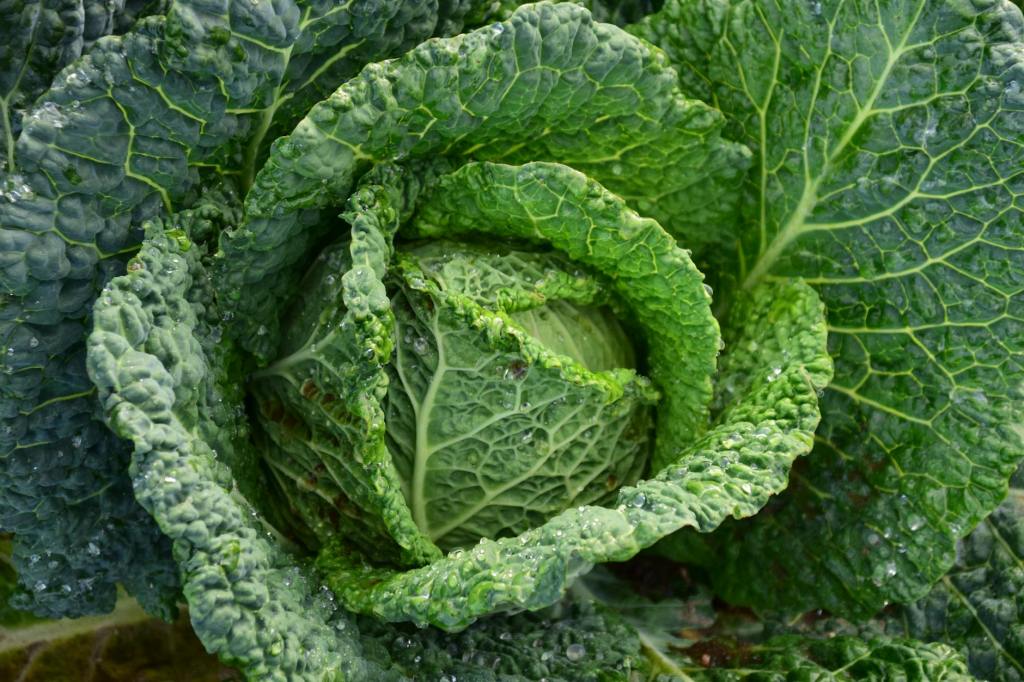
Cabbage, a leafy green vegetable belonging to the Brassica family, is often overlooked in the realm of nutrition. However, this humble vegetable is packed with a plethora of health benefits that can significantly enhance your overall well-being. From its rich nutrient profile to its versatility in the kitchen, cabbage deserves a prominent place in your diet. Here are eight compelling health benefits of eating cabbage.

8 Health Benefits of Eating Cabbages

1. Nutrient-Rich Profile

Cabbage is a powerhouse of essential nutrients. It is low in calories yet high in vitamins and minerals. A single cup of raw cabbage contains significant amounts of vitamin K, vitamin C, and vitamin B6, along with folate, manganese, and fiber. Vitamin K is crucial for bone health and blood clotting, while vitamin C is a potent antioxidant that supports the immune system. The presence of these nutrients makes cabbage an excellent addition to a balanced diet.

2. Supports Digestive Health

One of the standout benefits of cabbage is its high fiber content. Fiber is essential for maintaining a healthy digestive system, as it promotes regular bowel movements and prevents constipation. The soluble fiber found in cabbage can also help regulate blood sugar levels and lower cholesterol. Additionally, cabbage contains compounds known as glucosinolates, which may support gut health by promoting the growth of beneficial gut bacteria.

3. Rich in Antioxidants

Cabbage is loaded with antioxidants, including vitamin C, beta-carotene, and various flavonoids. These compounds help combat oxidative stress in the body, which can lead to chronic diseases such as heart disease and cancer. Antioxidants neutralize free radicals, reducing inflammation and protecting cells from damage. Regular consumption of cabbage can contribute to a lower risk of developing these conditions.

4. Aids in Weight Management

For those looking to manage their weight, cabbage can be a valuable ally. Its low calorie and high fiber content make it a filling food that can help curb hunger without adding excess calories. Incorporating cabbage into meals can enhance satiety, making it easier to stick to a healthy eating plan. Additionally, the high water content in cabbage contributes to hydration, which is essential for overall health and weight management.

5. Supports Heart Health

Cabbage is beneficial for heart health due to its high levels of potassium and antioxidants. Potassium helps regulate blood pressure by counteracting the effects of sodium, while antioxidants reduce inflammation and oxidative stress, both of which are risk factors for heart disease. Some studies suggest that the consumption of cruciferous vegetables like cabbage may be associated with a lower risk of heart disease, making it a heart-healthy choice.

6. May Help Prevent Cancer

Research has shown that cruciferous vegetables, including cabbage, contain compounds that may have cancer-fighting properties. Glucosinolates, which are abundant in cabbage, can be converted into biologically active compounds that have been shown to inhibit the growth of cancer cells. Regular consumption of cabbage may be linked to a reduced risk of certain types of cancer, particularly colorectal cancer.

7. Enhances Skin Health

The vitamins and antioxidants found in cabbage can also benefit your skin. Vitamin C plays a crucial role in collagen production, which is essential for maintaining skin elasticity and reducing the appearance of wrinkles. Additionally, the anti-inflammatory properties of cabbage can help soothe skin irritations and promote a healthy complexion. Incorporating cabbage into your diet may lead to a more radiant and youthful appearance.

8. Boosts Immune Function

Cabbage is a great source of vitamin C, which is known for its immune-boosting properties. A strong immune system is vital for fighting off infections and illnesses. The antioxidants in cabbage also play a role in enhancing immune function by reducing inflammation and oxidative stress. Including cabbage in your diet can help fortify your body’s defenses, especially during cold and flu season.

Conclusion

Incorporating cabbage into your diet can yield numerous health benefits, from supporting digestive health to enhancing skin appearance. Its rich nutrient profile, combined with its versatility in various dishes, makes it an excellent choice for anyone looking to improve their overall health. Whether you enjoy it raw in salads, sautéed, or fermented as sauerkraut, cabbage is a delicious and nutritious addition to your meals. So, the next time you’re at the grocery store, don’t overlook this leafy green—your body will thank you!

Design a site like this with WordPress.com
Get started