8 Health Benefits of Eating Potatoes -Wellspring wellness

Potatoes are often misunderstood and unfairly labeled as unhealthy due to their association with fried foods and high-calorie dishes. However, when prepared and consumed in moderation, potatoes can be a nutritious addition to your diet. Rich in vitamins, minerals, and fiber, these versatile tubers offer a variety of health benefits. Here are eight compelling reasons to include potatoes in your meals.

8 Health Benefits of Eating Potatoes

1. Nutrient-Rich Profile

Potatoes are packed with essential nutrients. A medium-sized potato (about 150 grams) contains approximately 110 calories, making it a low-calorie food option. They are an excellent source of vitamin C, providing about 30% of the daily recommended intake. Additionally, potatoes contain significant amounts of vitamin B6, potassium, and manganese, all of which play vital roles in maintaining overall health.

2. High in Fiber

Fiber is crucial for digestive health, and potatoes are a good source of both soluble and insoluble fiber. A medium potato with the skin on contains about 2 grams of fiber. Consuming fiber-rich foods can help regulate bowel movements, prevent constipation, and promote a healthy gut microbiome. Furthermore, fiber can aid in weight management by promoting a feeling of fullness, which may help reduce overall calorie intake.

3. Supports Heart Health

Potatoes can contribute to heart health due to their potassium content. Potassium is essential for maintaining healthy blood pressure levels, as it helps balance sodium levels in the body. A diet rich in potassium can reduce the risk of hypertension and stroke. Additionally, the fiber in potatoes can help lower cholesterol levels, further supporting cardiovascular health.

4. Provides Energy

As a starchy vegetable, potatoes are an excellent source of carbohydrates, which are the body’s primary source of energy. The complex carbohydrates found in potatoes are digested slowly, providing a steady release of energy. This makes potatoes an ideal food for athletes and those with active lifestyles, as they can help sustain energy levels during physical activity.

5. Aids in Weight Management

Despite their reputation, potatoes can be beneficial for weight management when consumed in moderation and prepared healthily. The fiber content in potatoes promotes satiety, helping you feel full for longer periods. Additionally, when boiled or baked, potatoes are low in calories and can be a satisfying addition to meals without significantly increasing caloric intake.

6. Supports Immune Function

The vitamin C content in potatoes plays a crucial role in supporting the immune system. Vitamin C is known for its antioxidant properties, which help protect the body from free radicals and reduce inflammation. A strong immune system is essential for fighting off infections and diseases, making potatoes a valuable food for overall health.

7. Promotes Healthy Skin

Potatoes contain antioxidants and vitamins that can benefit skin health. Vitamin C, in particular, is vital for collagen production, which helps maintain skin elasticity and firmness. Additionally, the presence of other antioxidants in potatoes can help combat skin damage caused by environmental factors, such as UV radiation and pollution. Some people even use potato slices topically to soothe skin irritations and reduce puffiness.

8. Versatile and Easy to Prepare

One of the best things about potatoes is their versatility. They can be prepared in numerous ways, including boiling, baking, roasting, and mashing. This adaptability allows them to be incorporated into a wide variety of dishes, from salads to soups to main courses. By experimenting with different cooking methods and seasonings, you can enjoy potatoes while reaping their health benefits.

Conclusion

Incorporating potatoes into your diet can provide numerous health benefits, from supporting heart health to aiding in weight management. When prepared healthily and consumed in moderation, potatoes can be a nutritious and satisfying addition to your meals. So, the next time you reach for a potato, remember that it’s not just a comfort food; it’s a powerhouse of nutrients that can contribute to your overall well-being. Embrace the humble potato and enjoy its many health benefits!


10 Health Benefits of Eating Garlic- Wellspring Wellness

Garlic, scientifically known as Allium sativum, has been a staple in kitchens around the world for centuries, not only for its distinctive flavor but also for its numerous health benefits. This humble bulb is packed with nutrients and bioactive compounds that can significantly enhance your health. Here, we explore ten compelling health benefits of incorporating garlic into your diet.

10 Health Benefits of Eating Garlic

1. Rich in Nutrients

Garlic is low in calories but rich in essential nutrients. A single clove of garlic contains manganese, vitamin B6, vitamin C, selenium, and fiber. These nutrients play vital roles in various bodily functions, including metabolism, immune response, and antioxidant defense. The presence of these vitamins and minerals makes garlic a powerful addition to a balanced diet.

2. Boosts Immune Function

Garlic is renowned for its immune-boosting properties. The sulfur compounds in garlic, particularly allicin, have been shown to enhance the immune system’s response to infections. Regular consumption of garlic can help reduce the severity and duration of common illnesses, such as the flu and the common cold. Studies suggest that individuals who consume garlic regularly may experience fewer sick days compared to those who do not.

3. Heart Health

Garlic is often hailed as a heart-healthy food. Research indicates that garlic can help lower blood pressure, reduce cholesterol levels, and improve overall cardiovascular health. The compounds in garlic help relax blood vessels, improving blood flow and reducing the risk of heart disease. Regular consumption of garlic has been linked to a lower risk of heart attacks and strokes, making it a valuable ally for heart health.

4. Antioxidant Properties

Garlic is rich in antioxidants, which help combat oxidative stress in the body. Oxidative stress is linked to various chronic diseases, including cancer and neurodegenerative disorders. The antioxidants in garlic, such as flavonoids and sulfur compounds, help neutralize free radicals, reducing the risk of cellular damage. This protective effect contributes to overall health and longevity.

5. Anti-Inflammatory Effects

Chronic inflammation is a contributing factor to many diseases, including arthritis, heart disease, and certain cancers. Garlic contains anti-inflammatory compounds that can help reduce inflammation in the body. Regular consumption of garlic may alleviate symptoms of inflammatory conditions and promote overall well-being. Its anti-inflammatory properties make it a valuable addition to an anti-inflammatory diet.

6. Supports Digestive Health

Garlic is known to promote healthy digestion. It acts as a prebiotic, feeding the beneficial bacteria in the gut and supporting a healthy microbiome. A balanced gut microbiome is essential for optimal digestion, nutrient absorption, and immune function. Additionally, garlic has been shown to have antimicrobial properties, which can help combat harmful bacteria and pathogens in the digestive tract.

7. May Help Prevent Cancer

Several studies suggest that garlic may have cancer-fighting properties. The sulfur compounds in garlic, particularly diallyl sulfide, have been shown to inhibit the growth of cancer cells and reduce the risk of certain types of cancer, including stomach, colorectal, and prostate cancer. While more research is needed, incorporating garlic into your diet may contribute to cancer prevention strategies.

8. Enhances Athletic Performance

Garlic has been used for centuries as a natural performance enhancer. Ancient civilizations, including the Greeks and Romans, believed that garlic could improve physical performance and reduce fatigue. Modern studies have shown that garlic supplementation may enhance exercise performance by improving oxygen utilization and reducing exercise-induced fatigue. Athletes and fitness enthusiasts may benefit from adding garlic to their diets for improved endurance.

9. Regulates Blood Sugar Levels

Garlic may play a role in regulating blood sugar levels, making it beneficial for individuals with diabetes or those at risk of developing the condition. Some studies suggest that garlic can improve insulin sensitivity and lower blood sugar levels. The compounds in garlic may help enhance glucose metabolism, contributing to better blood sugar control. However, individuals with diabetes should consult their healthcare provider before making significant dietary changes.

10. Promotes Healthy Skin

Garlic’s antimicrobial and anti-inflammatory properties extend to skin health as well. The antioxidants in garlic can help combat skin aging and protect against damage from environmental factors. Additionally, garlic has been used topically to treat various skin conditions, including acne and fungal infections. Incorporating garlic into your diet may contribute to a clearer, healthier complexion.

Conclusion

Garlic is more than just a flavorful addition to your meals; it is a powerhouse of health benefits. From boosting immune function to promoting heart health and supporting digestive wellness, the advantages of consuming garlic are numerous. Whether you enjoy it raw, cooked, or as a supplement, incorporating garlic into your diet can be a simple yet effective way to enhance your overall health. However, it is essential to consume garlic in moderation and consult with a healthcare professional if you have any underlying health conditions or concerns. Embrace the power of garlic and enjoy its myriad health benefits for a healthier, happier life.

10 Health Benefits of Eating Cassava – Wellspring Wellness

Cassava, also known as manioc or yuca, is a starchy root vegetable native to South America but widely cultivated in tropical and subtropical regions around the world. It is a staple food for millions of people, particularly in Africa, Asia, and Latin America. Beyond its culinary versatility, cassava offers numerous health benefits that make it a valuable addition to a balanced diet. In this article, we will explore ten health benefits of eating cassava.

10 Health Benefits of Eating Cassava

1. Rich Source of Carbohydrates

Cassava is primarily composed of carbohydrates, making it an excellent energy source. It is particularly beneficial for individuals with high energy needs, such as athletes or those engaged in physically demanding work. The complex carbohydrates in cassava provide a steady release of energy, helping to maintain stamina throughout the day.

2. Gluten-Free Alternative

For those with celiac disease or gluten sensitivity, cassava serves as a fantastic gluten-free alternative to wheat and other grains. It can be used to make flour, which is perfect for baking and cooking. This makes cassava a versatile ingredient for gluten-free diets, allowing individuals to enjoy a variety of dishes without compromising their health.

3. High in Fiber

Cassava is a good source of dietary fiber, which is essential for digestive health. Fiber aids in regular bowel movements, helps prevent constipation, and promotes a healthy gut microbiome. A diet rich in fiber can also help control blood sugar levels and reduce the risk of developing chronic diseases such as heart disease and diabetes.

4. Supports Immune Function

Cassava contains essential vitamins and minerals, including vitamin C, which plays a crucial role in supporting the immune system. Vitamin C is an antioxidant that helps protect the body from free radicals and strengthens the immune response. Regular consumption of cassava can contribute to overall health and help the body fend off infections.

5. Promotes Healthy Skin

The presence of antioxidants in cassava, particularly vitamin C, can also benefit skin health. Antioxidants help combat oxidative stress, which can lead to premature aging and skin damage. Additionally, cassava contains compounds that may promote collagen production, contributing to skin elasticity and a youthful appearance.

6. Provides Essential Nutrients

Cassava is a source of several essential nutrients, including potassium, magnesium, and folate. Potassium is vital for maintaining healthy blood pressure levels and proper muscle function, while magnesium supports bone health and energy production. Folate is essential for DNA synthesis and is particularly important for pregnant women to support fetal development.

7. Aids in Weight Management

Despite being high in carbohydrates, cassava can be beneficial for weight management when consumed in moderation. Its high fiber content promotes satiety, helping individuals feel full for longer periods. This can reduce overall calorie intake and assist in weight loss or maintenance efforts. Additionally, cassava’s low-fat content makes it a healthy choice for those looking to manage their weight.

8. Supports Bone Health

The minerals found in cassava, particularly calcium and phosphorus, are essential for maintaining strong and healthy bones. Regular consumption of cassava can contribute to bone density and help prevent conditions such as osteoporosis. Including cassava in a balanced diet, along with other calcium-rich foods, can support overall skeletal health.

9. May Help Regulate Blood Sugar Levels

Cassava has a low glycemic index compared to other starchy foods, meaning it has a slower impact on blood sugar levels. This makes it a suitable option for individuals with diabetes or those looking to manage their blood sugar. The fiber content in cassava also aids in stabilizing blood sugar levels by slowing down the absorption of glucose in the bloodstream.

10. Versatile Culinary Uses

One of the most appealing aspects of cassava is its versatility in the kitchen. It can be boiled, baked, fried, or processed into flour, making it suitable for a wide range of dishes. From cassava chips to tapioca pudding, the possibilities are endless. This adaptability allows individuals to incorporate cassava into their diets in various delicious ways, ensuring they reap its health benefits while enjoying their meals.

Conclusion

Incorporating cassava into your diet can provide numerous health benefits, from being a rich source of carbohydrates to supporting immune function and promoting healthy skin. Its gluten-free nature and high fiber content make it an excellent choice for those with dietary restrictions or those looking to improve their overall health. With its versatility in the kitchen, cassava can easily be included in a variety of dishes, making it a valuable addition to any balanced diet. As with any food, moderation is key, and it is essential to prepare cassava properly to avoid potential toxicity from raw consumption. By enjoying cassava as part of a diverse and nutritious diet, you can take advantage of its many health benefits while savoring its unique flavor and texture.

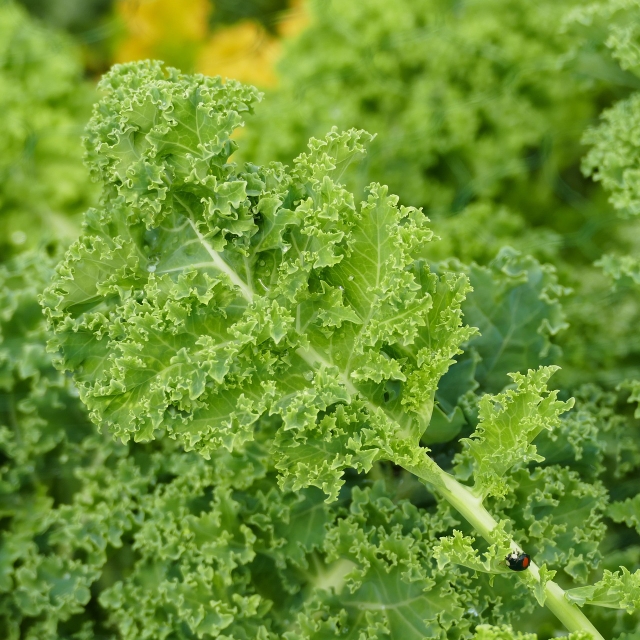
10 Health Benefits of Eating Kale -Wellspring wellness

Kale, often dubbed the “queen of greens,” has gained immense popularity in recent years, and for good reason. This leafy green vegetable is not only versatile and delicious but also packed with nutrients that can significantly enhance your health. In this article, we will explore ten remarkable health benefits of incorporating kale into your diet.

10 Health Benefits of Eating Kale

1. Nutrient-Dense Superfood

Kale is a nutritional powerhouse. Just one cup of raw kale contains a wealth of vitamins and minerals, including vitamins A, C, and K, as well as calcium, potassium, and magnesium. It is low in calories but high in fiber, making it an excellent choice for those looking to maintain a healthy weight while still getting essential nutrients.

2. Rich in Antioxidants

Kale is loaded with antioxidants, which help combat oxidative stress in the body. These compounds, including quercetin and kaempferol, can reduce inflammation and lower the risk of chronic diseases. Antioxidants play a crucial role in neutralizing free radicals, which can damage cells and lead to various health issues, including cancer and heart disease.

3. Supports Heart Health

The high levels of fiber, potassium, and antioxidants in kale contribute to heart health. Fiber helps lower cholesterol levels, while potassium helps regulate blood pressure. Additionally, the anti-inflammatory properties of kale can reduce the risk of heart disease. Regular consumption of kale may help maintain a healthy cardiovascular system and reduce the likelihood of heart-related issues.

4. Promotes Healthy Digestion

Kale is an excellent source of dietary fiber, which is essential for maintaining a healthy digestive system. Fiber aids in regular bowel movements, prevents constipation, and promotes a healthy gut microbiome. A diet rich in fiber can also help reduce the risk of digestive disorders, such as diverticulitis and irritable bowel syndrome (IBS).

5. Supports Bone Health

Kale is an excellent source of vitamin K, which plays a vital role in bone health. Vitamin K is essential for calcium absorption and helps maintain bone density. Additionally, kale contains calcium and magnesium, both of which are crucial for strong bones. Including kale in your diet can help reduce the risk of osteoporosis and fractures as you age.

6. Boosts Immune Function

The high vitamin C content in kale is a significant contributor to a robust immune system. Vitamin C is known for its role in enhancing the immune response and protecting against infections. Regular consumption of kale can help strengthen your immune system, making it easier for your body to fend off illnesses and infections.

7. Aids in Weight Management

Kale is low in calories and high in fiber, making it an ideal food for those looking to manage their weight. The fiber in kale promotes a feeling of fullness, reducing the likelihood of overeating. Additionally, the nutrient density of kale means you can consume fewer calories while still getting the essential vitamins and minerals your body needs.

8. Supports Eye Health

Kale is rich in lutein and zeaxanthin, two antioxidants that are particularly beneficial for eye health. These compounds help protect the eyes from harmful blue light and reduce the risk of age-related macular degeneration (AMD) and cataracts. Including kale in your diet can contribute to better vision and overall eye health as you age.

9. May Help Prevent Cancer

Several studies suggest that the compounds found in kale may have cancer-fighting properties. The glucosinolates in kale can help detoxify the body and may reduce the risk of certain types of cancer, including breast, prostate, and colon cancer. While more research is needed, incorporating kale into a balanced diet may contribute to cancer prevention.

10. Enhances Skin Health

Kale is rich in vitamins A, C, and K, all of which are essential for maintaining healthy skin. Vitamin C, in particular, is crucial for collagen production, which helps keep the skin firm and youthful. The antioxidants in kale also help protect the skin from damage caused by UV rays and pollution, promoting a radiant complexion.

How to Incorporate Kale into Your Diet

Now that you know the numerous health benefits of kale, you might be wondering how to include it in your meals. Here are some simple ways to enjoy this nutritious green:

  • Salads: Toss raw kale with your favorite vegetables, nuts, and a light dressing for a refreshing salad.
  • Smoothies: Blend kale with fruits, yogurt, and a splash of juice for a nutrient-packed smoothie.
  • Soups and Stews: Add chopped kale to soups and stews for added flavor and nutrition.
  • Sautéed: Sauté kale with garlic and olive oil for a delicious side dish.
  • Kale Chips: Bake kale leaves with a sprinkle of salt and olive oil for a healthy snack.

Conclusion

Kale is more than just a trendy superfood; it is a versatile and nutrient-dense vegetable that offers a wide array of health benefits. From supporting heart health to promoting healthy digestion and enhancing skin health, incorporating kale into your diet can significantly improve your overall well-being. So, whether you enjoy it raw, cooked, or blended, make kale a regular part of your meals and reap the rewards of this incredible green.

10 Health Benefits of Eating Yams- Wellspring Wellness

Yams, often confused with sweet potatoes, are a starchy tuber that has been a staple in many cultures around the world. With their rich flavor and versatility in cooking, yams are not only delicious but also packed with numerous health benefits. In this article, we will explore ten compelling reasons to incorporate yams into your diet.

10 Health Benefits of Eating Yams

1. Nutrient-Rich Profile

Yams are a powerhouse of essential nutrients. They are an excellent source of carbohydrates, dietary fiber, vitamins, and minerals. A single serving of yams provides significant amounts of vitamin C, vitamin B6, potassium, manganese, and copper. These nutrients play vital roles in maintaining overall health, supporting immune function, and promoting energy production.

2. High in Dietary Fiber

One of the standout benefits of yams is their high fiber content. Dietary fiber is crucial for digestive health, as it helps regulate bowel movements and prevent constipation. A diet rich in fiber can also promote a healthy gut microbiome, which is linked to improved digestion and overall well-being. Additionally, fiber can help you feel fuller for longer, making yams a great addition to weight management plans.

3. Supports Heart Health

Yams are heart-friendly due to their potassium content, which helps regulate blood pressure levels. Potassium is a mineral that counteracts the effects of sodium, helping to relax blood vessel walls and reduce tension. Furthermore, the fiber in yams can help lower cholesterol levels, reducing the risk of heart disease. Including yams in your diet can contribute to a healthier cardiovascular system.

4. Rich in Antioxidants

Yams are loaded with antioxidants, including vitamin C and various phytonutrients. Antioxidants are essential for combating oxidative stress in the body, which can lead to chronic diseases such as cancer and heart disease. By neutralizing free radicals, antioxidants help protect cells from damage and promote overall health. Regular consumption of yams can enhance your body’s ability to fight off illness and maintain optimal health.

5. Aids in Weight Management

For those looking to manage their weight, yams can be a valuable addition to your diet. Their high fiber content promotes satiety, helping you feel full and satisfied after meals. This can reduce the likelihood of overeating and snacking between meals. Additionally, yams have a low glycemic index, meaning they release glucose slowly into the bloodstream, providing sustained energy without causing spikes in blood sugar levels.

6. Supports Immune Function

The vitamin C found in yams plays a crucial role in supporting the immune system. This powerful antioxidant helps stimulate the production of white blood cells, which are essential for fighting off infections and diseases. Regular consumption of yams can help bolster your immune defenses, making it easier for your body to ward off illnesses, especially during cold and flu season.

7. Promotes Healthy Skin

Yams can contribute to healthy, glowing skin due to their rich content of vitamins and antioxidants. Vitamin C is essential for collagen production, which helps maintain skin elasticity and firmness. Additionally, the antioxidants in yams can help protect the skin from damage caused by UV rays and pollution. Incorporating yams into your diet can lead to a more youthful and radiant complexion.

8. Supports Bone Health

Yams are a good source of several minerals that are important for bone health, including manganese, copper, and potassium. Manganese plays a role in bone formation and maintenance, while copper is essential for the development of connective tissues. Potassium helps maintain bone density by reducing calcium loss through urine. Including yams in your diet can help support strong and healthy bones, reducing the risk of osteoporosis as you age.

9. Regulates Hormonal Balance

Yams contain phytoestrogens, which are plant compounds that mimic estrogen in the body. This can be particularly beneficial for women experiencing hormonal imbalances, such as those related to menopause. The consumption of yams may help alleviate symptoms such as hot flashes and mood swings. Additionally, the nutrients in yams can support overall hormonal health, promoting balance and well-being.

10. Versatile and Delicious

Beyond their health benefits, yams are incredibly versatile in the kitchen. They can be prepared in various ways, including baking, boiling, roasting, or mashing. Yams can be used in both savory and sweet dishes, making them a delightful addition to any meal. Their natural sweetness pairs well with spices, herbs, and other ingredients, allowing for endless culinary creativity.

Conclusion

Incorporating yams into your diet can provide a multitude of health benefits, from supporting heart health to promoting healthy skin. Their nutrient-rich profile, high fiber content, and antioxidant properties make them an excellent choice for anyone looking to improve their overall health. Whether you enjoy them as a side dish, in soups, or as a main course, yams are a delicious and nutritious addition to your meals. So, the next time you’re at the grocery store, consider picking up some yams and enjoy the many health benefits they have to offer!

10 Health Benefits of Eating Arrowroot -Wellspring Wellness

Arrowroot, a starchy tuber derived from the Maranta arundinacea plant, has been a staple in various cuisines around the world for centuries. Known for its light, easily digestible properties, arrowroot is often used as a thickening agent in cooking and baking. However, its health benefits extend far beyond its culinary uses. In this article, we will explore ten significant health benefits of incorporating arrowroot into your diet.

10 Health Benefits of Eating Arrowroot

1. Easily Digestible

One of the most notable benefits of arrowroot is its digestibility. Unlike many other starches, arrowroot is gentle on the stomach and is often recommended for individuals recovering from gastrointestinal issues. Its low fiber content makes it an ideal choice for those with digestive disorders, as it can help soothe the digestive tract and promote healing.

2. Rich in Nutrients

Arrowroot is packed with essential nutrients, including vitamins and minerals. It is a good source of B vitamins, particularly vitamin B6, which plays a crucial role in energy metabolism and brain health. Additionally, arrowroot contains minerals such as potassium, iron, and magnesium, which are vital for various bodily functions, including muscle contraction, oxygen transport, and bone health.

3. Gluten-Free Alternative

For individuals with celiac disease or gluten sensitivity, arrowroot serves as an excellent gluten-free alternative to wheat flour. It can be used in baking and cooking to create gluten-free recipes, allowing those with dietary restrictions to enjoy a variety of foods without compromising their health.

4. Supports Weight Management

Arrowroot is low in calories and fat, making it a suitable option for those looking to manage their weight. Its high starch content provides a feeling of fullness, which can help curb overeating. Additionally, arrowroot can be incorporated into meals to create satisfying dishes without adding excessive calories.

5. Promotes Healthy Skin

The nutrients found in arrowroot can contribute to healthy skin. Its anti-inflammatory properties may help soothe skin irritations and conditions such as eczema and psoriasis. Furthermore, arrowroot can be used in homemade skincare products, such as face masks and powders, to absorb excess oil and provide a smooth texture.

6. Boosts Immune Function

Arrowroot contains antioxidants that can help strengthen the immune system. Antioxidants play a crucial role in neutralizing free radicals in the body, which can cause oxidative stress and lead to chronic diseases. By incorporating arrowroot into your diet, you can support your body’s natural defenses and promote overall health.

7. Enhances Energy Levels

The carbohydrates in arrowroot provide a quick source of energy, making it an excellent food choice for athletes and active individuals. Its easily digestible nature allows for rapid absorption, providing a boost of energy without the heaviness associated with other starchy foods. This makes arrowroot a popular choice for pre- and post-workout meals.

8. Aids in Detoxification

Arrowroot has been traditionally used as a natural remedy for detoxification. Its high starch content can help bind toxins in the digestive tract, facilitating their elimination from the body. This detoxifying effect can support liver health and promote overall well-being.

9. Supports Heart Health

The potassium content in arrowroot can contribute to heart health by helping to regulate blood pressure levels. Potassium is known to counteract the effects of sodium, which can lead to hypertension. By incorporating arrowroot into a balanced diet, you can support cardiovascular health and reduce the risk of heart disease.

10. Versatile Culinary Uses

Beyond its health benefits, arrowroot is incredibly versatile in the kitchen. It can be used as a thickening agent for soups, sauces, and gravies, providing a smooth texture without altering the flavor of the dish. Arrowroot can also be used in baking to create light and fluffy textures in cakes and cookies. Its neutral taste makes it an excellent addition to both sweet and savory recipes.

Conclusion

Incorporating arrowroot into your diet can provide a multitude of health benefits, from supporting digestive health to promoting skin wellness. Its versatility in cooking and baking makes it an easy addition to various dishes, allowing you to enjoy its nutritional advantages without sacrificing flavor. Whether you are looking for a gluten-free alternative, a natural detoxifier, or a way to boost your energy levels, arrowroot is a fantastic option to consider. As with any food, moderation is key, and it’s essential to maintain a balanced diet to reap the full benefits of this nutritious tuber. So, the next time you’re in the kitchen, consider reaching for arrowroot and enjoy the myriad of health benefits it has to offer!

10 Health Benefits of Eating Star Fruits- Wellspring Wellness

Star fruit, also known as carambola, is a tropical fruit that has gained popularity not only for its unique star shape but also for its impressive nutritional profile. This exotic fruit is native to Southeast Asia but is now cultivated in various tropical and subtropical regions around the world. With its sweet and tangy flavor, star fruit is not only a delightful addition to your diet but also offers numerous health benefits. Here are ten compelling reasons to incorporate star fruit into your meals.

10 Health Benefits of Eating Star fruits

1. Rich in Nutrients

Star fruit is a low-calorie fruit that is packed with essential nutrients. A single serving of star fruit provides a good amount of vitamin C, vitamin A, potassium, and dietary fiber. Vitamin C is crucial for immune function, while vitamin A supports eye health. The potassium content helps regulate blood pressure and maintain proper muscle function.

2. High in Antioxidants

Star fruit is rich in antioxidants, including flavonoids and polyphenols, which help combat oxidative stress in the body. Antioxidants play a vital role in neutralizing free radicals, reducing inflammation, and lowering the risk of chronic diseases such as heart disease and cancer. By incorporating star fruit into your diet, you can boost your antioxidant intake and promote overall health.

3. Supports Digestive Health

The dietary fiber found in star fruit aids in digestion by promoting regular bowel movements and preventing constipation. Fiber helps to bulk up stool and facilitates its passage through the digestive tract. Additionally, a healthy digestive system is essential for nutrient absorption and overall well-being. Including star fruit in your diet can contribute to a healthier gut.

4. Aids in Weight Management

For those looking to manage their weight, star fruit is an excellent choice. With its low calorie and high water content, star fruit can help you feel full without adding excessive calories to your diet. The fiber content also promotes satiety, making it easier to control hunger and reduce snacking between meals. Incorporating star fruit into your meals can be a delicious way to support your weight loss goals.

5. Promotes Heart Health

Star fruit is beneficial for heart health due to its potassium content, which helps regulate blood pressure levels. A diet rich in potassium can help counteract the effects of sodium and reduce the risk of hypertension. Additionally, the antioxidants in star fruit may help lower cholesterol levels and improve overall cardiovascular health, reducing the risk of heart disease.

6. Boosts Immune Function

The high vitamin C content in star fruit plays a crucial role in boosting the immune system. Vitamin C is known for its ability to enhance the production of white blood cells, which are essential for fighting off infections and illnesses. Regular consumption of star fruit can help strengthen your immune defenses, making you less susceptible to colds and other infections.

7. Supports Skin Health

Star fruit is not only beneficial for internal health but also for skin health. The antioxidants and vitamin C in star fruit can help combat skin aging by reducing the appearance of wrinkles and fine lines. Vitamin C is essential for collagen production, which keeps the skin firm and youthful. Additionally, the hydrating properties of star fruit can help maintain skin moisture and promote a healthy complexion.

8. Regulates Blood Sugar Levels

Star fruit has a low glycemic index, making it a suitable fruit for individuals with diabetes or those looking to manage their blood sugar levels. The fiber content in star fruit helps slow down the absorption of sugar into the bloodstream, preventing spikes in blood glucose levels. Including star fruit in a balanced diet can be a smart choice for maintaining stable blood sugar levels.

9. Enhances Eye Health

The vitamin A content in star fruit is beneficial for eye health. Vitamin A is essential for maintaining good vision and preventing age-related macular degeneration. Additionally, the antioxidants in star fruit can help protect the eyes from oxidative damage caused by free radicals. Regular consumption of star fruit can contribute to better eye health and reduce the risk of vision problems.

10. Hydration and Refreshment

Star fruit has a high water content, making it an excellent choice for hydration, especially in hot weather. Staying hydrated is essential for overall health, as it helps regulate body temperature, supports digestion, and maintains skin health. Enjoying star fruit as a refreshing snack or adding it to smoothies can help you stay hydrated and energized throughout the day.

Conclusion

Incorporating star fruit into your diet can provide a wide range of health benefits, from supporting digestive health to boosting your immune system. With its unique flavor and impressive nutritional profile, star fruit is a versatile fruit that can be enjoyed in various ways, whether eaten fresh, juiced, or added to salads and desserts. As with any food, moderation is key, and it’s essential to consider any individual dietary restrictions or allergies. So, the next time you come across this tropical delight, don’t hesitate to indulge in its deliciousness and reap the numerous health benefits it has to offer.

8 Health Benefits of Eating Carrots -Wellspring wellness

Carrots, with their vibrant orange hue and crunchy texture, are not only a popular snack but also a powerhouse of nutrition. These root vegetables are packed with vitamins, minerals, and antioxidants that contribute to overall health. Here, we explore eight significant health benefits of incorporating carrots into your diet.

8 Health Benefits of Eating Carrots

1. Rich in Nutrients

Carrots are an excellent source of essential nutrients. A medium-sized carrot contains about 25 calories, making it a low-calorie food option. They are particularly high in beta-carotene, which the body converts into vitamin A. This vitamin is crucial for maintaining healthy vision, skin, and immune function. Additionally, carrots provide vitamins C, K, and several B vitamins, along with minerals like potassium and magnesium.

2. Promotes Eye Health

One of the most well-known benefits of carrots is their positive impact on eye health. The high levels of beta-carotene in carrots are converted into vitamin A, which is vital for maintaining good vision. Vitamin A helps prevent night blindness and may reduce the risk of age-related macular degeneration (AMD), a leading cause of vision loss in older adults. Regular consumption of carrots can help keep your eyes healthy and functioning optimally.

3. Supports Immune Function

Carrots are rich in antioxidants, particularly beta-carotene and vitamin C, which play a crucial role in supporting the immune system. Antioxidants help combat oxidative stress and inflammation in the body, reducing the risk of chronic diseases. A strong immune system is essential for fighting off infections and illnesses, making carrots a valuable addition to your diet, especially during cold and flu season.

4. Aids in Digestion

Carrots are a good source of dietary fiber, which is essential for maintaining a healthy digestive system. Fiber helps regulate bowel movements, preventing constipation and promoting regularity. Additionally, a high-fiber diet can support gut health by feeding beneficial gut bacteria. Including carrots in your meals can contribute to better digestion and overall gut health.

5. Supports Heart Health

Eating carrots may benefit heart health due to their high fiber content and antioxidant properties. The fiber in carrots can help lower cholesterol levels, reducing the risk of heart disease. Furthermore, the potassium found in carrots helps regulate blood pressure by balancing sodium levels in the body. A diet rich in fruits and vegetables, including carrots, is associated with a lower risk of cardiovascular diseases.

6. Aids in Weight Management

Carrots can be a valuable ally in weight management. Their low-calorie content, combined with high fiber and water content, makes them a filling snack that can help curb hunger. Eating carrots can promote satiety, reducing the likelihood of overeating. Incorporating carrots into meals and snacks can support weight loss or maintenance efforts while providing essential nutrients.

7. May Reduce Cancer Risk

Several studies suggest that a diet rich in carrots and other colorful vegetables may be associated with a reduced risk of certain types of cancer. The antioxidants in carrots, particularly beta-carotene, have been linked to a lower risk of lung and prostate cancers. While more research is needed to establish a direct connection, including carrots in a balanced diet rich in fruits and vegetables is a smart choice for overall health and cancer prevention.

8. Promotes Healthy Skin

The nutrients in carrots, particularly beta-carotene and vitamin C, contribute to healthy skin. Beta-carotene acts as a natural sunblock, protecting the skin from UV damage and promoting a healthy glow. Vitamin C is essential for collagen production, which helps maintain skin elasticity and reduces the appearance of wrinkles. Regularly consuming carrots can help you achieve radiant, youthful skin.

Conclusion

Incorporating carrots into your diet is a simple and delicious way to enhance your overall health. With their impressive nutrient profile and numerous health benefits, carrots are a versatile vegetable that can be enjoyed in various forms—raw, cooked, juiced, or blended into smoothies. Whether you munch on them as a snack, add them to salads, or include them in soups and stews, carrots are a nutritious addition to any meal. So, the next time you reach for a snack, consider grabbing a carrot and reaping the many health benefits it has to offer!

8 Health Benefits of Eating Sweet potatoes- Wellspring Wellness

Sweet potatoes, often mistaken for yams, are a versatile and nutritious root vegetable that has been a staple in diets around the world for centuries. With their vibrant orange flesh and sweet flavor, they are not only delicious but also packed with health benefits. Here, we explore eight compelling reasons to incorporate sweet potatoes into your diet.

8 Health Benefits of Eating Sweet Potatoes

1. Rich in Nutrients

Sweet potatoes are a nutritional powerhouse. They are an excellent source of vitamins A and C, potassium, and dietary fiber. A medium-sized sweet potato provides over 400% of the recommended daily intake of vitamin A, which is essential for maintaining healthy vision, skin, and immune function. The high vitamin C content supports collagen production and helps the body fight off infections.

2. High in Antioxidants

Sweet potatoes are rich in antioxidants, particularly beta-carotene, which gives them their vibrant orange color. Antioxidants help combat oxidative stress in the body, reducing the risk of chronic diseases such as heart disease and cancer. The presence of other antioxidants, such as anthocyanins in purple sweet potatoes, further enhances their health benefits by protecting cells from damage.

3. Supports Digestive Health

The dietary fiber found in sweet potatoes plays a crucial role in promoting digestive health. Fiber aids in regular bowel movements, preventing constipation, and supports a healthy gut microbiome. A diet high in fiber can also help reduce the risk of developing gastrointestinal disorders and may contribute to weight management by promoting a feeling of fullness.

4. Regulates Blood Sugar Levels

Despite their sweetness, sweet potatoes have a low glycemic index, which means they have a minimal impact on blood sugar levels. The fiber content helps slow down the absorption of sugar into the bloodstream, making them a suitable option for individuals with diabetes or those looking to manage their blood sugar levels. Additionally, the presence of certain compounds in sweet potatoes may improve insulin sensitivity.

5. Boosts Immune Function

The combination of vitamins A and C in sweet potatoes plays a significant role in supporting the immune system. Vitamin A is crucial for maintaining the integrity of mucosal surfaces, such as those in the respiratory and gastrointestinal tracts, while vitamin C is known for its ability to enhance the production of white blood cells. Regular consumption of sweet potatoes can help strengthen your body’s defenses against infections and illnesses.

6. Promotes Healthy Skin

Sweet potatoes can contribute to healthy, glowing skin due to their high content of vitamins A and C. Vitamin A helps in the repair and maintenance of skin cells, while vitamin C is essential for collagen synthesis, which keeps the skin firm and elastic. The antioxidants in sweet potatoes also help protect the skin from damage caused by UV rays and pollution, reducing the signs of aging.

7. Supports Eye Health

The beta-carotene in sweet potatoes is converted into vitamin A in the body, which is vital for maintaining good vision. Vitamin A helps prevent night blindness and may reduce the risk of age-related macular degeneration, a leading cause of vision loss in older adults. Including sweet potatoes in your diet can be a delicious way to support your eye health.

8. Aids in Weight Management

Sweet potatoes can be a valuable addition to a weight management plan. Their high fiber content promotes satiety, helping you feel full for longer periods and reducing the likelihood of overeating. Additionally, their natural sweetness can satisfy cravings for sugary foods, making them a healthier alternative to processed snacks and desserts.

Conclusion

Incorporating sweet potatoes into your diet is an easy and delicious way to boost your overall health. With their impressive nutrient profile and numerous health benefits, sweet potatoes can be enjoyed in various forms—baked, mashed, roasted, or even in soups and stews. Whether you’re looking to improve your immune function, support digestive health, or simply enjoy a tasty dish, sweet potatoes are a fantastic choice. So, the next time you’re at the grocery store, don’t forget to pick up this nutritious root vegetable and explore the many ways to enjoy it in your meals. Your body will thank you!

8 Health Benefits of Eating Spinach- Wellspring Wellness

Spinach, a leafy green vegetable, has long been celebrated for its nutritional value and health benefits. Often associated with strength and vitality, thanks in part to the iconic cartoon character Popeye, spinach is more than just a culinary staple; it is a powerhouse of nutrients that can significantly enhance your overall health. Here are eight compelling health benefits of incorporating spinach into your diet.

8 Health Benefits of Eating Spinach

1. Nutrient-Rich Superfood

Spinach is packed with essential vitamins and minerals. A single cup of raw spinach contains high levels of vitamin K, vitamin A, vitamin C, and folate, along with important minerals like iron, calcium, and magnesium. These nutrients play crucial roles in maintaining bodily functions, supporting immune health, and promoting healthy skin and vision. The high vitamin K content is particularly important for bone health, as it helps in calcium absorption and bone mineralization.

2. Antioxidant Properties

Spinach is rich in antioxidants, including flavonoids and carotenoids, which help combat oxidative stress in the body. Oxidative stress is linked to various chronic diseases, including heart disease and cancer. The antioxidants in spinach help neutralize free radicals, reducing inflammation and protecting cells from damage. Regular consumption of spinach can contribute to a lower risk of developing these diseases.

3. Supports Eye Health

The carotenoids lutein and zeaxanthin, found abundantly in spinach, are known for their protective effects on eye health. These compounds help filter harmful blue light and reduce the risk of age-related macular degeneration (AMD) and cataracts. Including spinach in your diet can be a simple yet effective way to maintain good vision as you age.

4. Promotes Healthy Digestion

Spinach is an excellent source of dietary fiber, which is essential for maintaining a healthy digestive system. Fiber aids in regular bowel movements, prevents constipation, and promotes a healthy gut microbiome. A diet rich in fiber can also help manage weight by promoting a feeling of fullness, reducing the likelihood of overeating.

5. Supports Heart Health

The nutrients in spinach contribute to cardiovascular health. The high levels of potassium in spinach help regulate blood pressure by counteracting the effects of sodium. Additionally, the antioxidants in spinach can help reduce inflammation and improve cholesterol levels, further supporting heart health. Regular consumption of spinach may lower the risk of heart disease and stroke.

6. Aids in Weight Management

Spinach is low in calories but high in nutrients, making it an ideal food for those looking to manage their weight. The high fiber content helps you feel full longer, reducing the temptation to snack on unhealthy foods. Incorporating spinach into meals can add volume and nutrition without significantly increasing calorie intake, making it easier to maintain a healthy weight.

7. Enhances Muscle Performance

Spinach is a great source of nitrates, which have been shown to enhance muscle performance and endurance. Nitrates can improve blood flow and oxygen delivery to muscles during exercise, leading to better performance and reduced fatigue. Athletes and fitness enthusiasts may benefit from including spinach in their pre-workout meals to boost their energy levels and overall performance.

8. Supports Bone Health

In addition to vitamin K, spinach contains calcium and magnesium, both of which are vital for maintaining strong bones. Calcium is essential for bone structure, while magnesium plays a role in converting vitamin D into its active form, which is necessary for calcium absorption. Regularly consuming spinach can help support bone density and reduce the risk of osteoporosis, especially in older adults.

Conclusion

Incorporating spinach into your diet is a simple and effective way to enhance your overall health. With its rich nutrient profile and numerous health benefits, spinach can be enjoyed in various forms—raw in salads, blended in smoothies, sautéed as a side dish, or added to soups and stews. Whether you’re looking to boost your immune system, support your heart, or improve your digestion, spinach is a versatile superfood that can help you achieve your health goals. So, the next time you’re at the grocery store, don’t forget to add this leafy green to your cart and reap the benefits it has to offer!

Design a site like this with WordPress.com
Get started